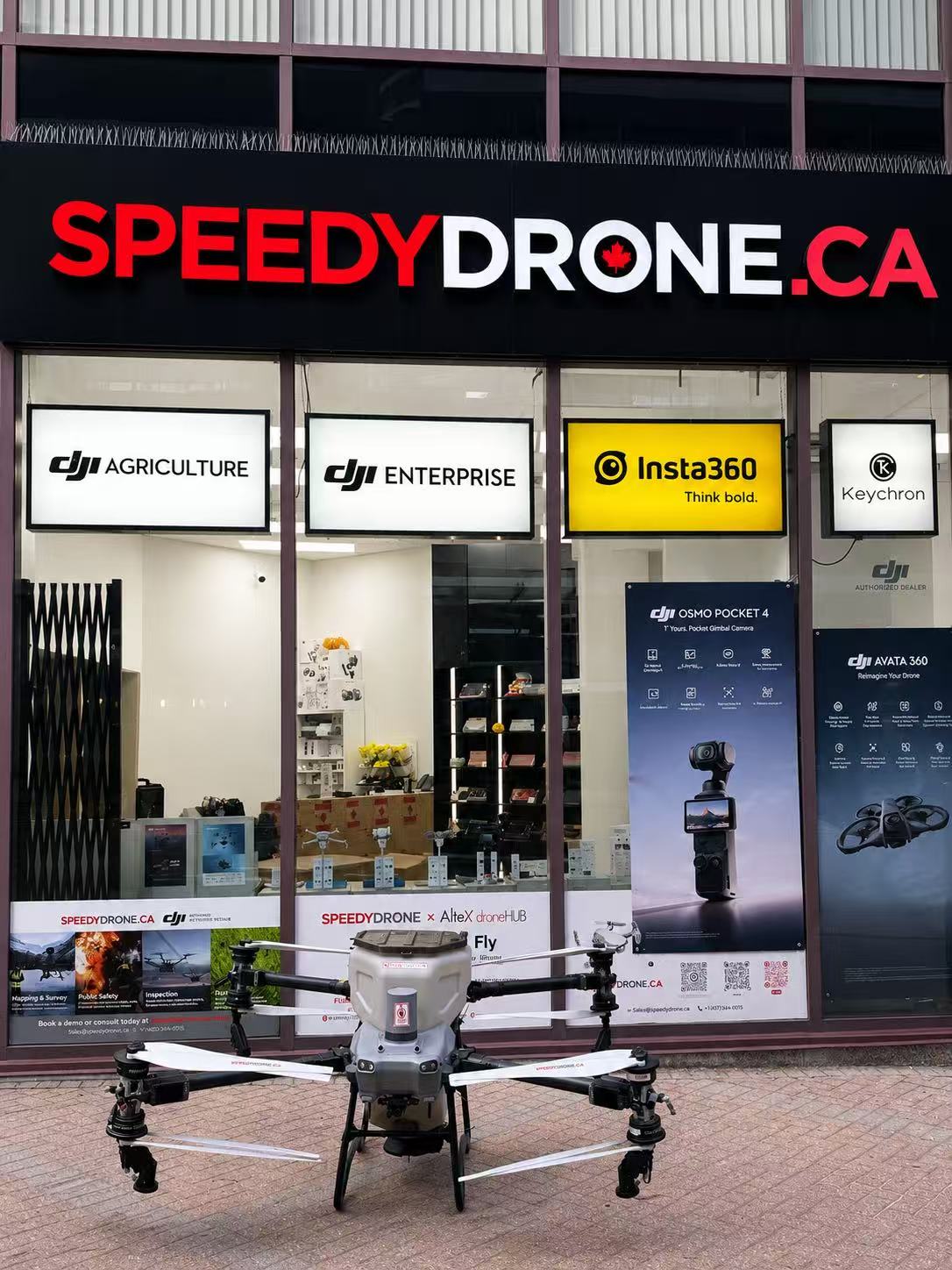
Field Logistics
Power, refill and field operations. Planned together.
From transport and site power to refilling, crew roles and preparing the next flight, SpeedyDrone helps you work through the ground setup for your operation.
Start with the vehicles, power and material facilities you already have. Identify what can be used, what needs adding and what still needs checking.
- Coordinated turnaround
- Local deployment support
- Canadian field conditions
Field Operating Loop
One flight ends. How does the next one get ready?
Flying is one part of the operation. On the ground, the aircraft needs checks, a battery change, liquid or material, and confirmation of the next task. Planning these together makes equipment needs, responsibilities and potential waiting points visible.
Ground operating workflow
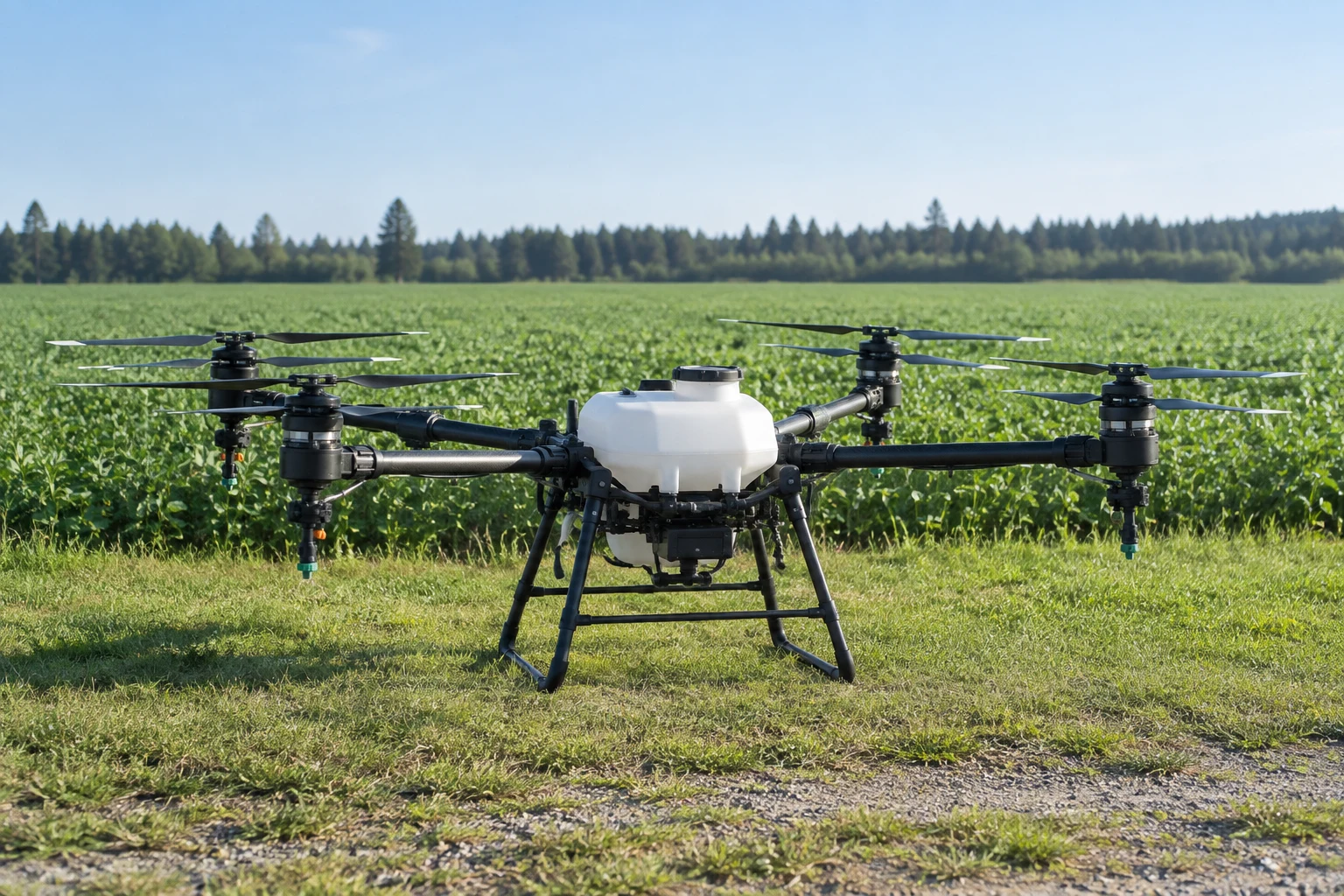
Return & land
Bring the aircraft back to its designated ground preparation position.
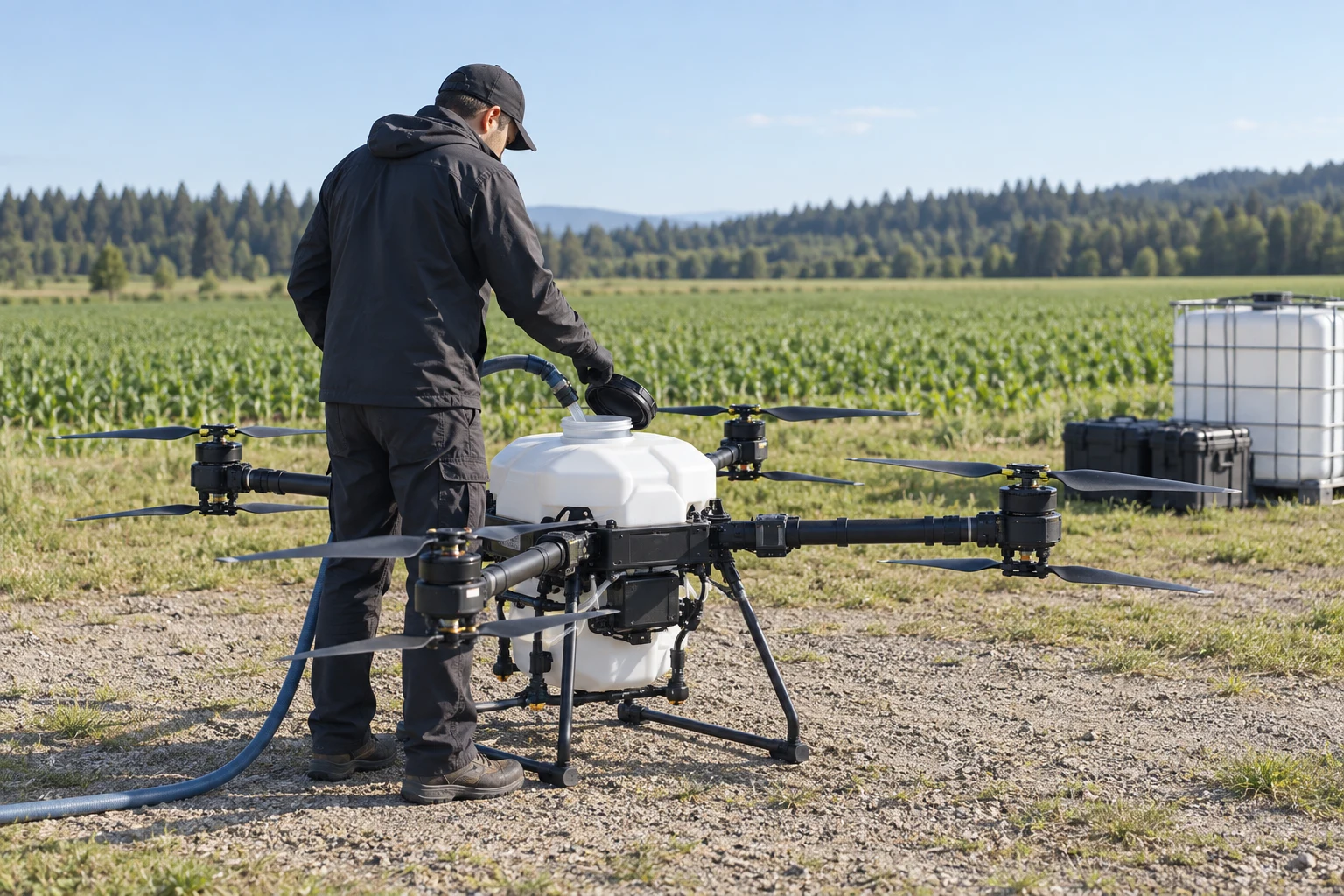
Ground check & refill
Check the aircraft, replenish liquid or material and complete any required cleaning.
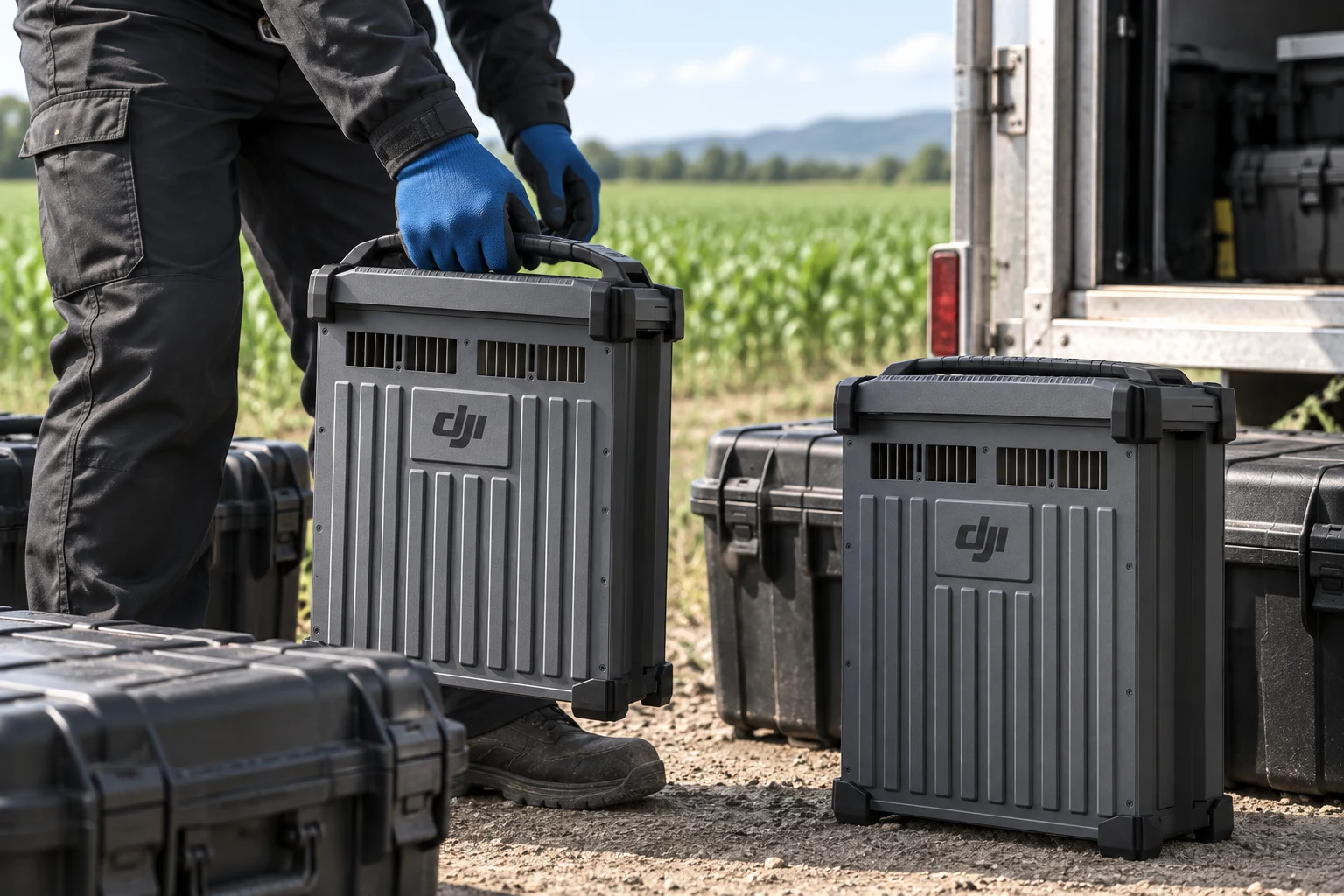
Battery Rotation
Swap in a ready battery and return removed batteries to the charging rotation.
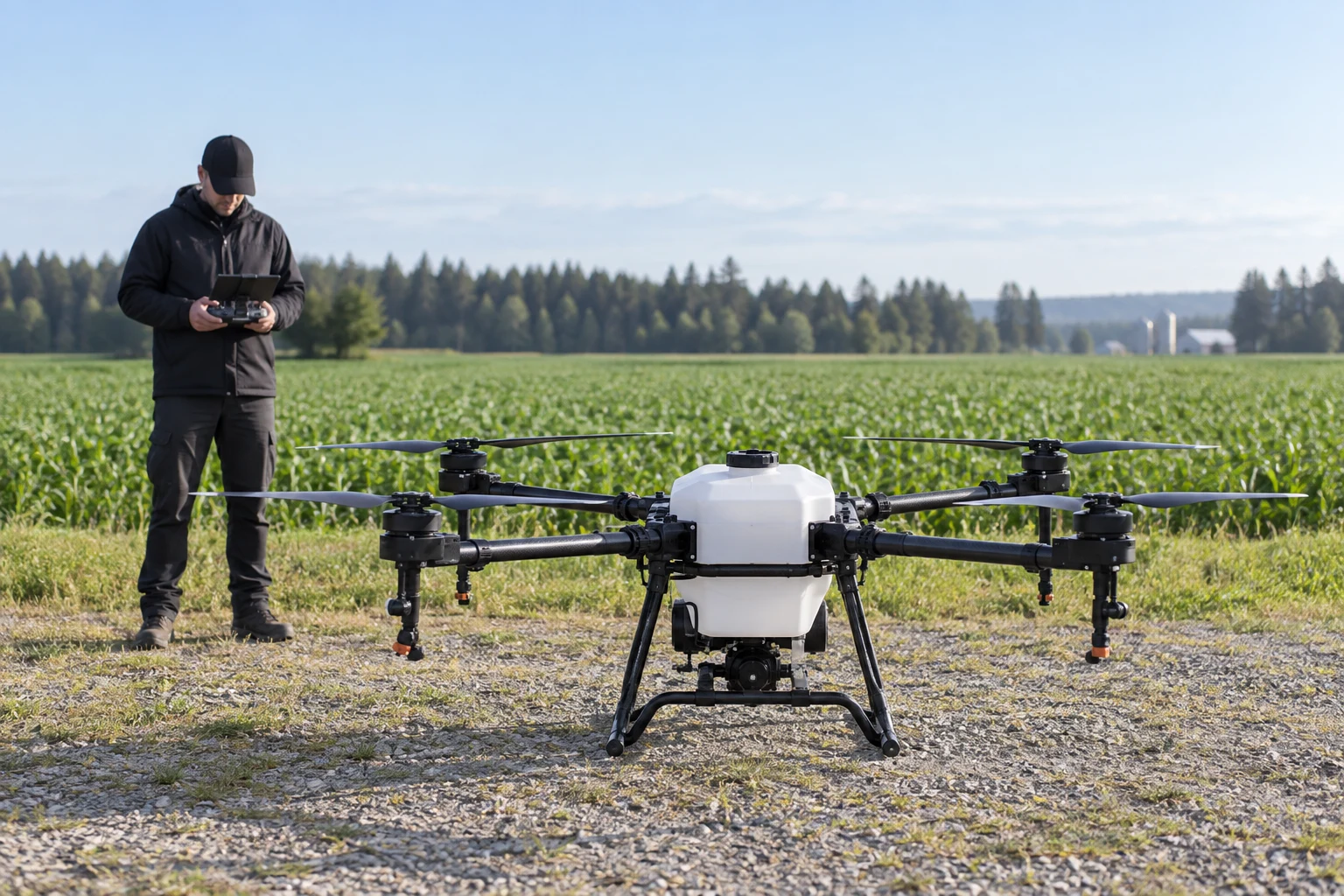
Ready for next flight
Confirm aircraft readiness, settings and the next flight’s task before takeoff.
Ground-turnaround relationship diagram. Confirm the actual sequence, activities that can overlap and crew arrangements against the equipment requirements and site workflow.
Equipment relationship
Power & Battery Rotation
Establish the power conditions. Then plan the battery rotation.
- Site power
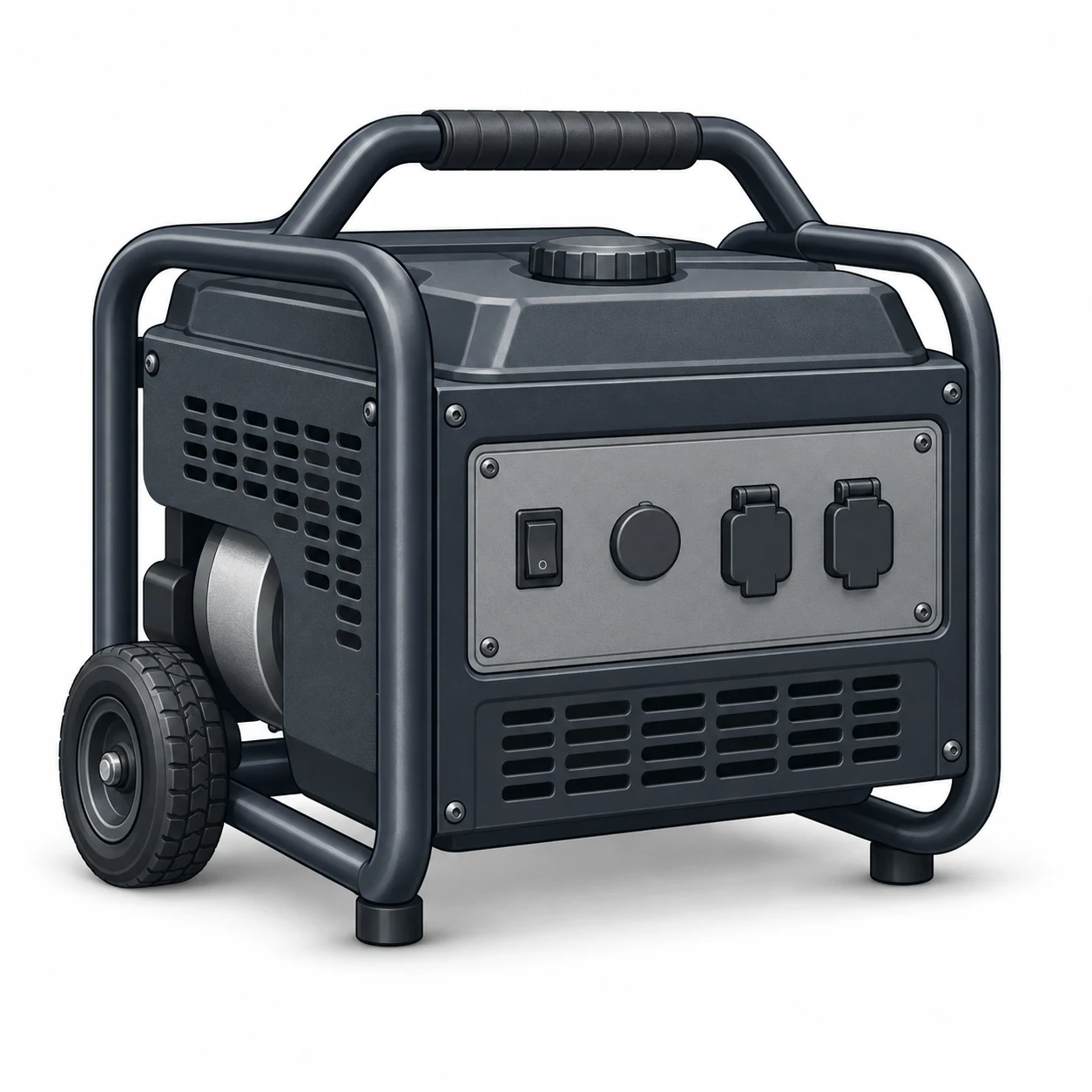
- Matched charging equipment
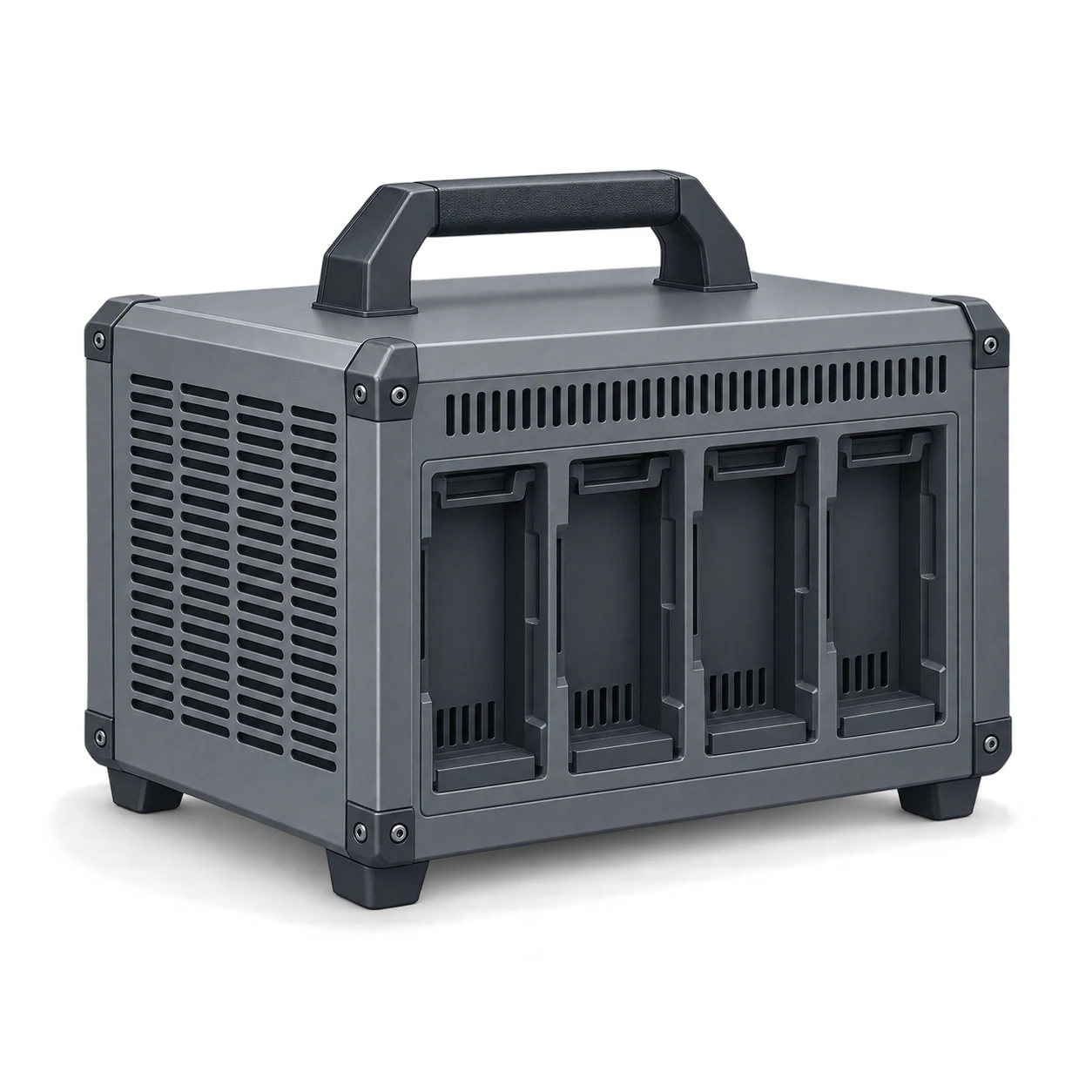
- Compatible batteries
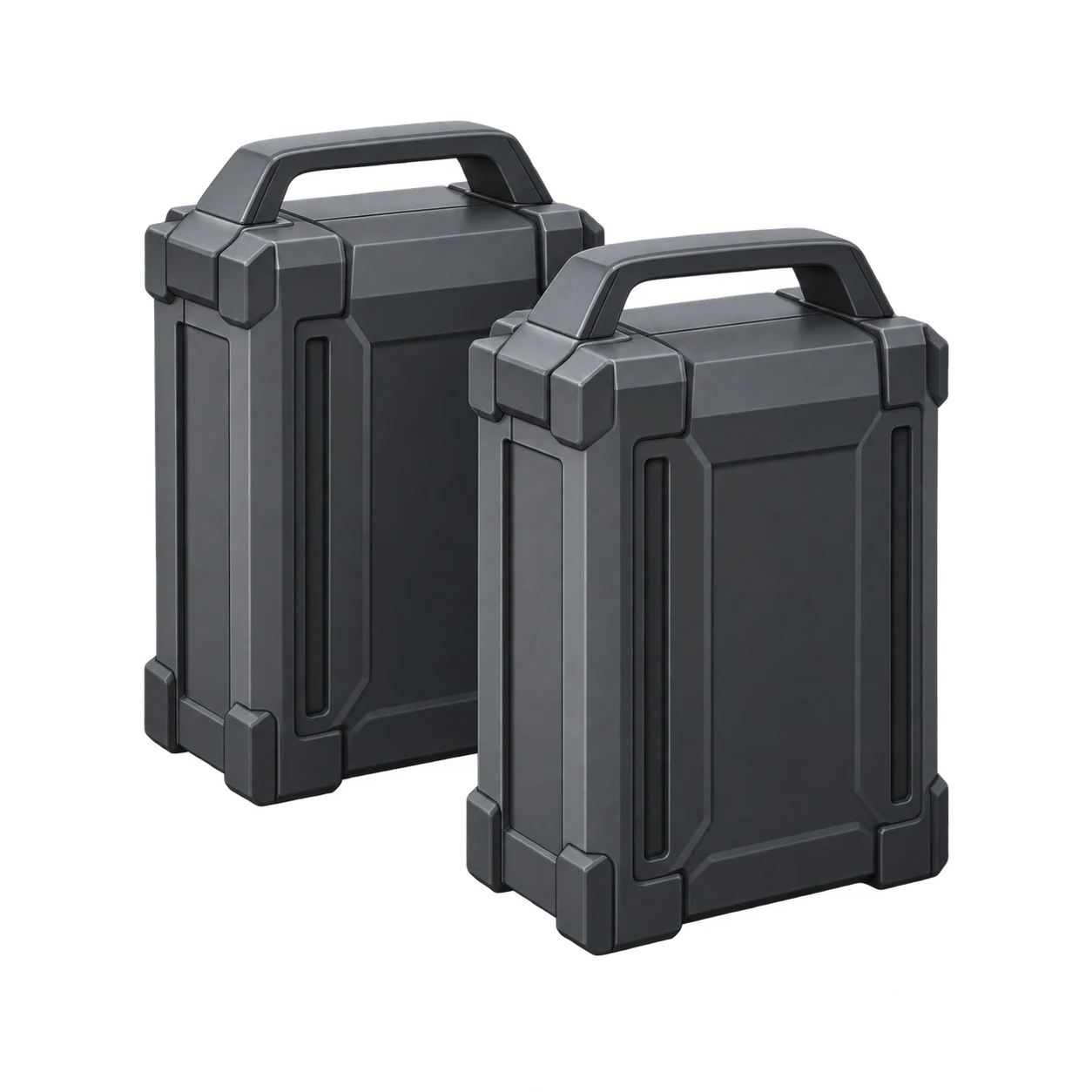
- Ready & in-flight rotation
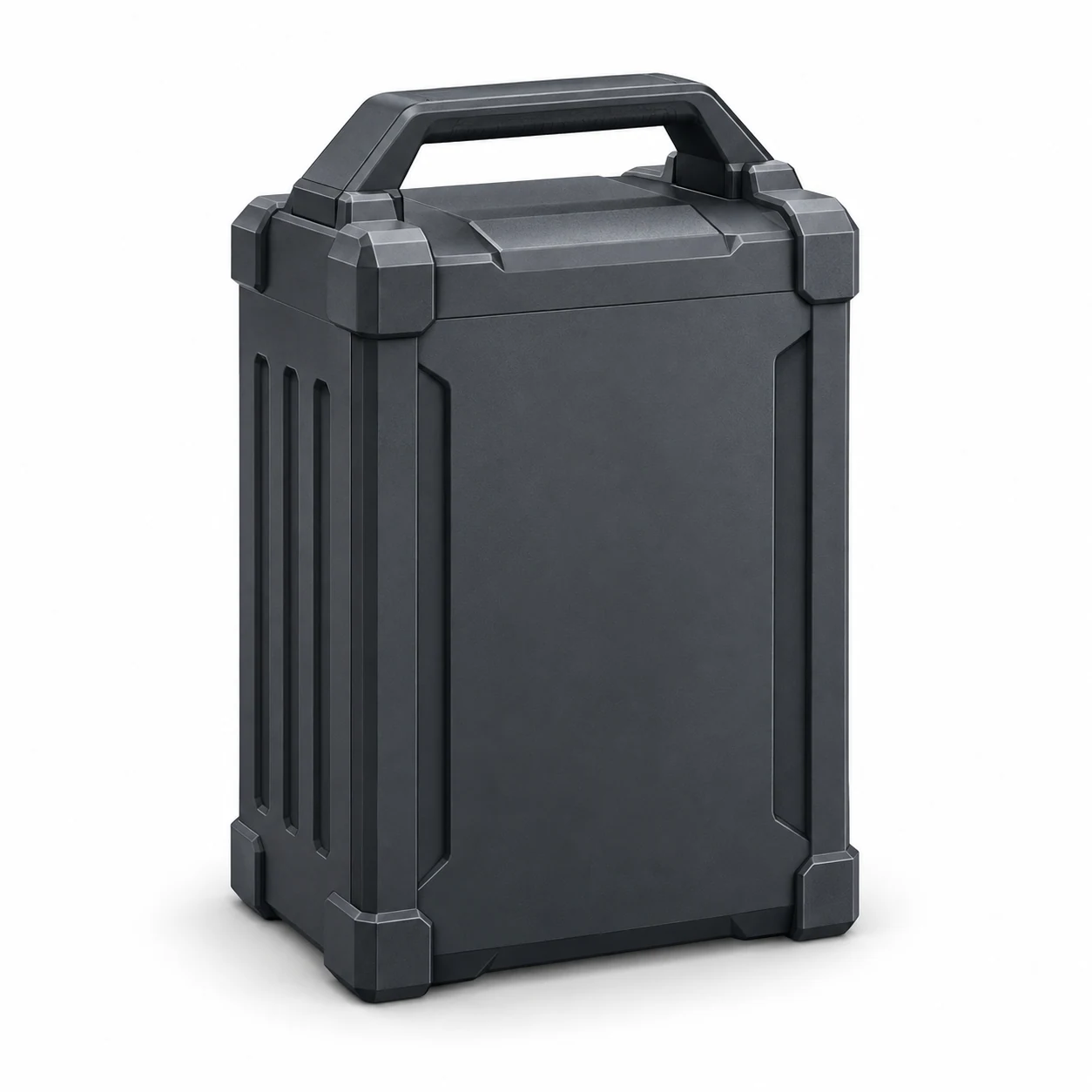
Equipment relationships only. Site connections must be checked for the proposed setup.
Battery quantity depends on the flight task, site power, charging equipment and ground turnaround. Start with the available supply, verify the equipment combination, then plan batteries in flight, ready and charging.
What power is available on site?
Grid access, an existing generator or a supply still to be decided each require confirmation of available capacity and connection conditions.
Do the batteries and charging equipment match?
Check the aircraft, battery model, charging equipment and applicable version. A similar connector or product name does not confirm compatibility.
What reserve does the rotation need?
Consider actual flight tasks, ground replenishment and when charged batteries will be ready. A fixed battery count cannot guarantee uninterrupted work.
An available outlet does not establish rated fast-charging performance. Input conditions, equipment combination, battery state and charging requirements must be checked for the specific T50 or T100 setup.
Refill & Material Handling
Plan how material reaches the aircraft.
Preparation, temporary storage, handling and each load should follow the actual task. Spraying, spreading and shore-based feeding share the need for a ground setup, with different materials, equipment and handling requirements.
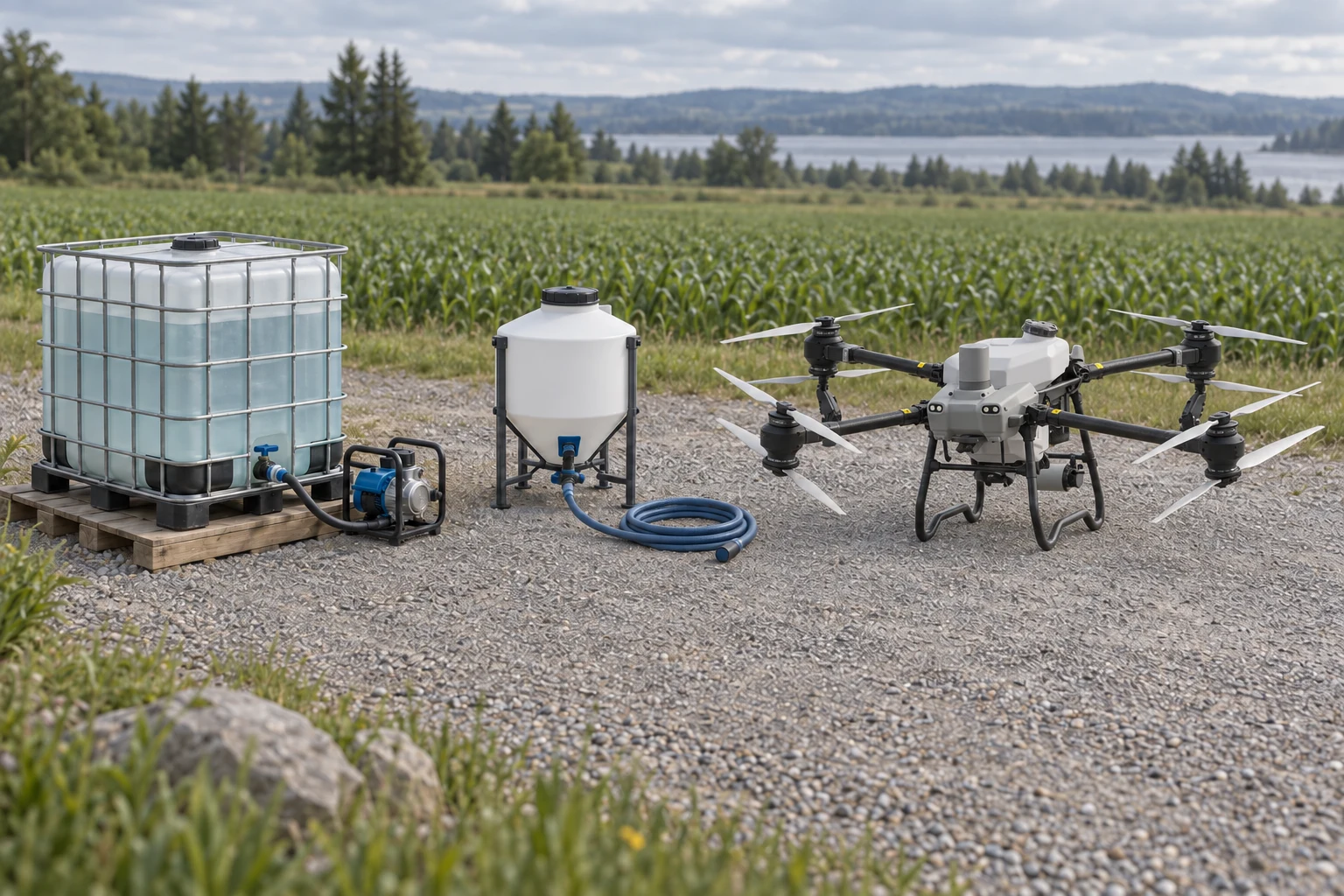
Spraying
From the water source to the refill point.
Map water supply, liquid preparation and temporary storage through to the aircraft refill position. Discuss planned volumes, transfer methods and cleaning arrangements for the task.
- Water source and liquid preparation
- Transfer path and refill position
- Material compatibility, cleaning and separation
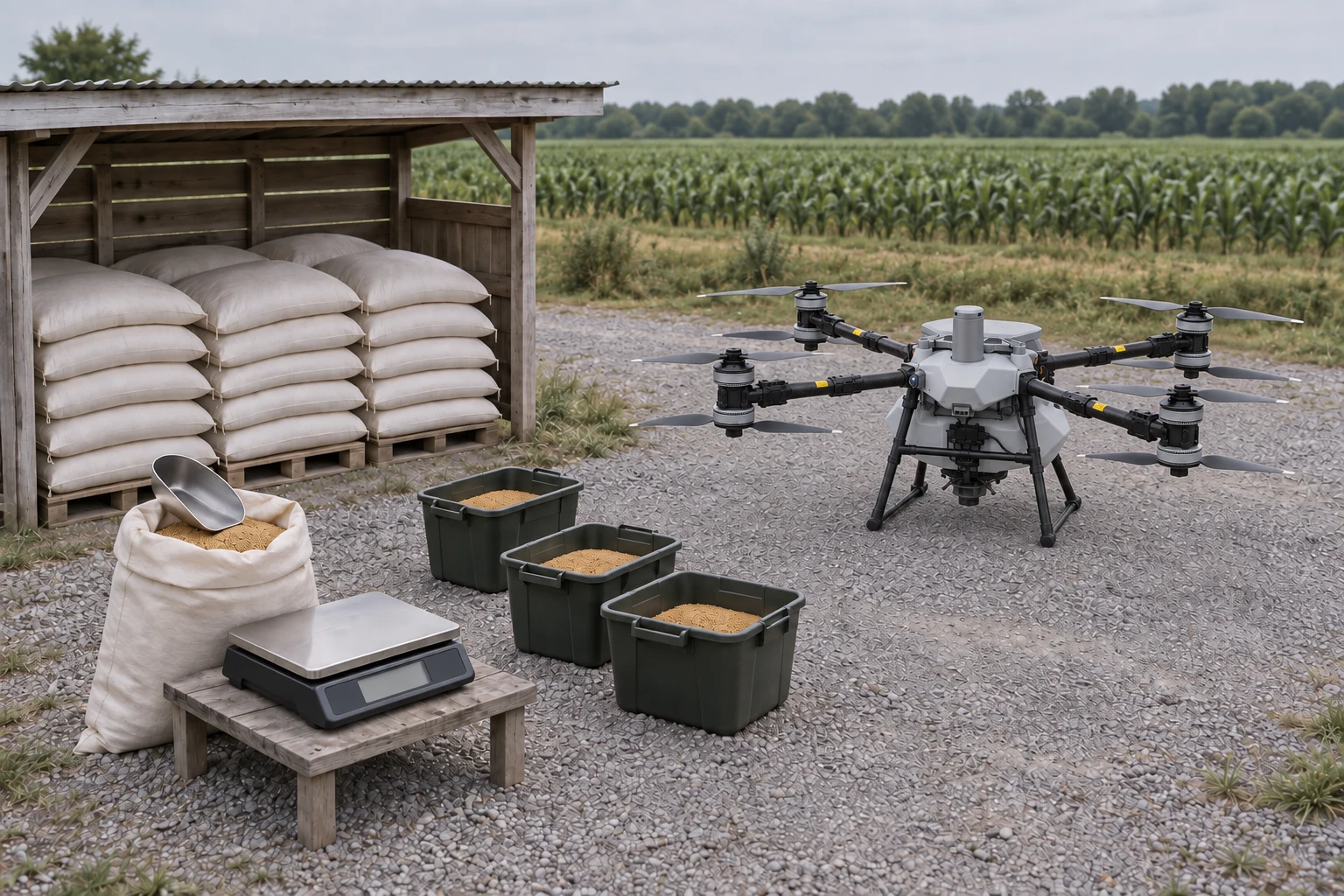
Spreading
Connect material handling with every load.
Bring seed or granular fertilizer requirements together with batch weights, storage and loading methods. Check both the weight and usable hopper volume for each load.
- Material suitability and dry storage
- Batch weight and usable hopper volume
- Loading, cleaning and separation
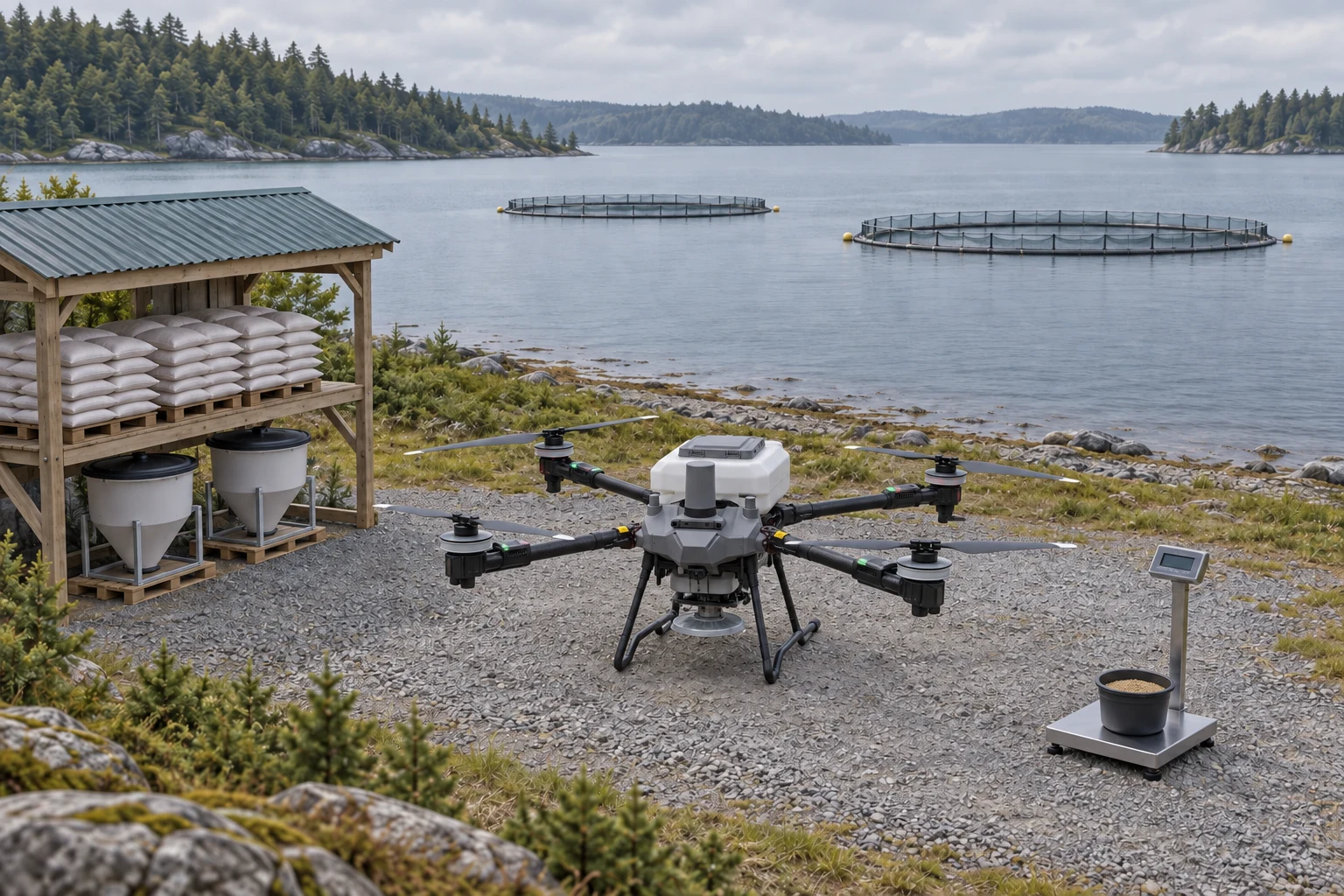
Shore-based Feeding
Prepare on shore. Replenish between cage tasks.
Plan shore-side staging, batch loading and return-to-shore replenishment around cage tasks and the feeding schedule. Record total daily demand separately from each flight’s load.
- Cage task groups and feeding schedule
- Daily demand and individual batch loads
- Shore access, feed compatibility and separation
Confirm each material against the equipment requirements. Dry-particle suitability does not mean every powder, granule or feed can be used. Pesticides, fertilizers, seeds and feed require a separate assessment of compatibility, cleaning and isolation.
Transport & Site Setup
From arrival to packing up and moving on.
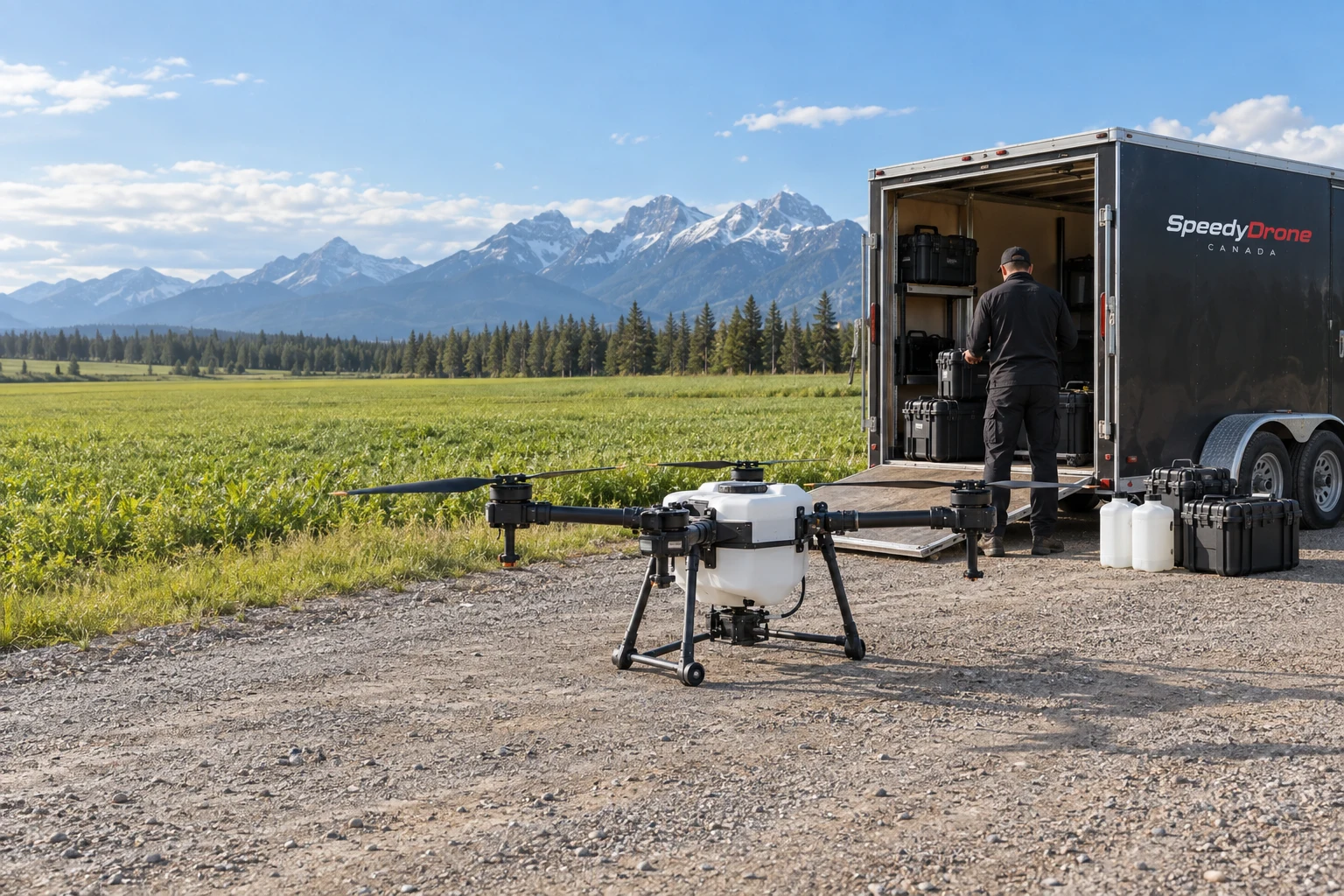
A ground setup includes how equipment gets to the site, where it unfolds and how it is put away. Start with your existing vehicles and supply facilities, then discuss loading, space, materials, power and travel between tasks.
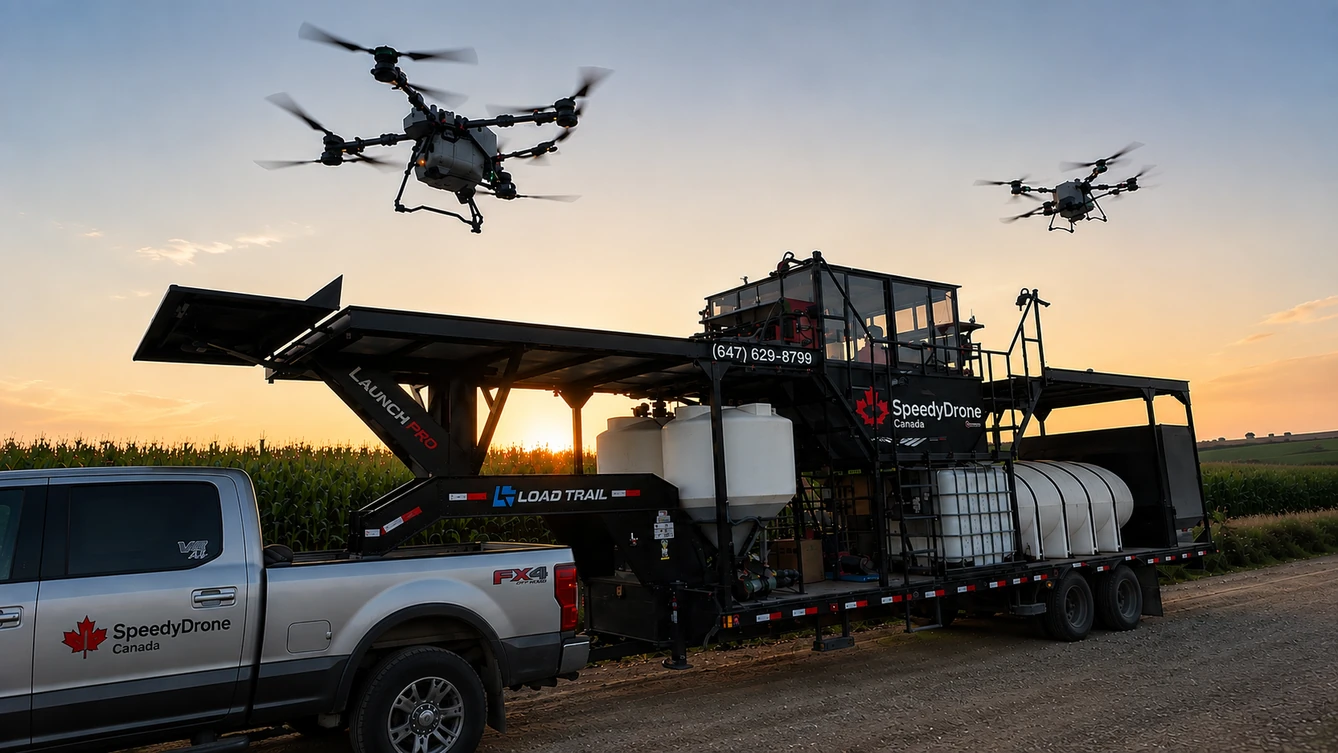
- Transport vehicle
- Loading platform
- Tanks
Functions to arrange for your site
- Transport and loading
- Material preparation
- Power and battery rotation
- Aircraft preparation position
- People and material movement
These functions are planning requirements, not a map of confirmed zones in the photograph. The image does not establish trailer capacity, electrical specifications or a standard package.
A fixed supply point
Organize around existing water, power and storage. Assess which facilities can support the operation.
Moving between fields
Plan loading, material carriage, setup on arrival and turnaround between locations.
Shore-side supply
Consider shore space, cage locations, batch loading and the aircraft’s return for replenishment.
Explore aquaculture feedingStarting points for a configuration discussion. The setup is determined by the operation.
Prepare for the whole working day
Before departure
Equipment and material lists, loading and travel arrangements.
On arrival
Confirm the site, power, materials and crew responsibilities.
During the task
Record supply waits, exceptions and issues to adjust.
At the finish
Cleaning, remaining material, equipment status and the next task.
What we work out with you
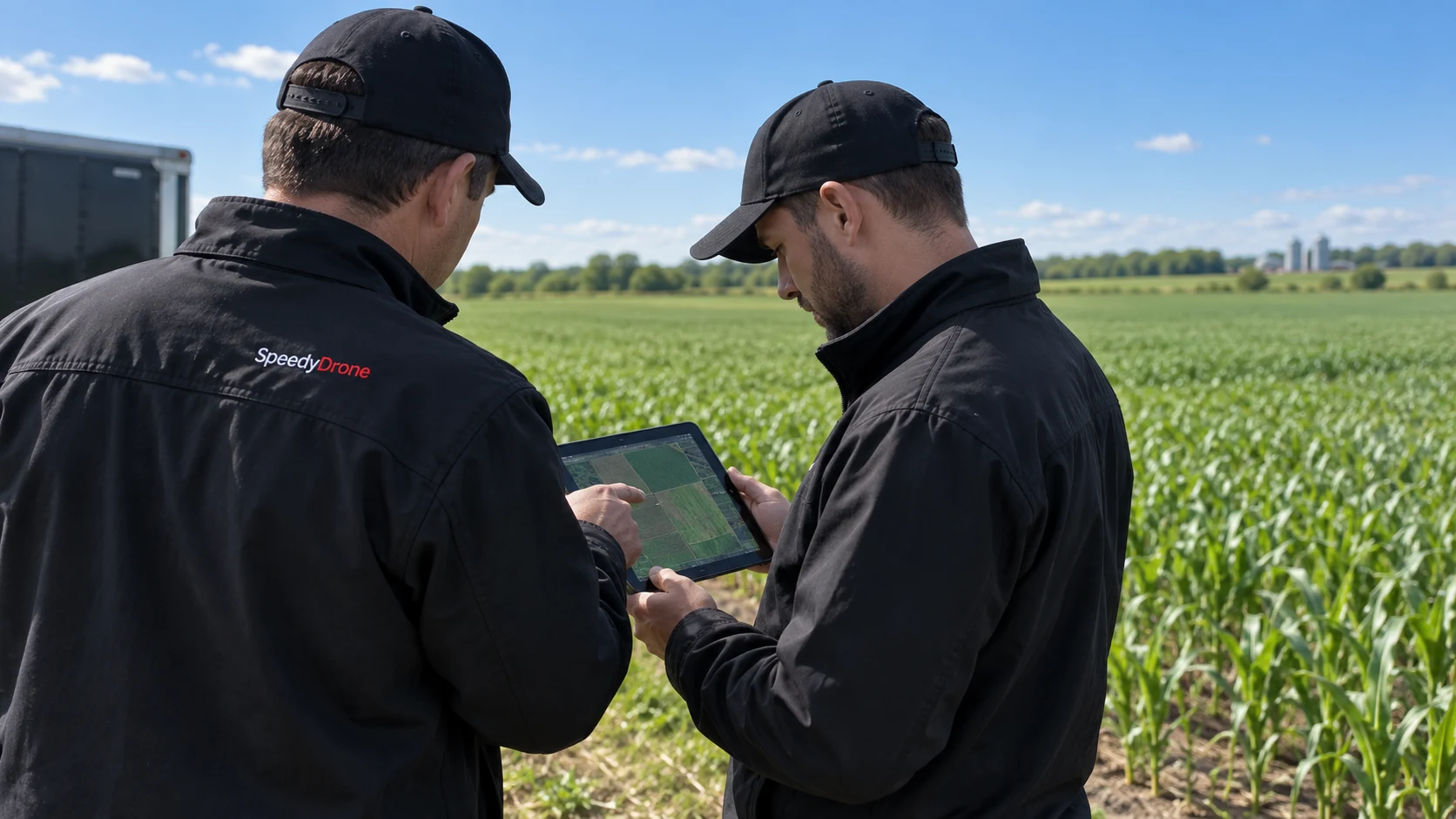
Start with your task and existing facilities. Together, we clarify equipment combinations, replenishment, crew responsibilities and the checks needed before deployment.

Battery & charging rotation
Discuss batteries in flight, ready and charging, and the conditions to verify.

Field transport & repositioning
Plan transport and setup around your vehicle, loading space and task locations.

Water & material preparation
Clarify the path from storage to loading and the facilities needed along the way.

Generator or site power planning
Check the proposed power source, charging equipment and site conditions together.

Crew roles & handoff
Separate responsibilities for flying, replenishment, material handling and site coordination.

Coverage & distribution checks
Include task-relevant field verification, with methods and conditions confirmed separately.
Equipment is one part. Deployment is the difference.
A ground configuration summary
The consultation can bring together existing facilities, candidate equipment, replenishment arrangements, crew roles and open questions. Field testing, training and further design are confirmed in the quotation and service scope.
Deployment & SupportQuestions that shape the setup.
How many batteries will I need?
That depends on the aircraft, actual tasks, charging equipment, site power and ground turnaround. We first understand your conditions, then discuss quantity. A single battery count cannot cover every operation.
Do I need to buy a dedicated trailer?
Start with your existing vehicles and supply facilities. Loading, travel, materials and setup needs determine whether a trailer, platform or other equipment is required.
Can one person do all of the work?
First distinguish flying, replenishment, material handling and site coordination, then confirm staffing. Aircraft automation does not establish that one person can carry out every part of the operation.
Can you guarantee uninterrupted work all day?
The setup depends on power, materials, equipment condition and actual tasks. Field verification can reveal waiting points and adjustments. This page does not promise continuous operation in every condition.
Review operating requirements and the documentation for your equipment.
Operating in CanadaTell us where and how you plan to work.
You do not need to decide battery counts, charging equipment or a trailer first. Share the task, facilities you have and the parts you are unsure about. We can discuss what to add from there.
A first conversation starts with your conditions. Technical details can remain to be confirmed.
- Receive your brief
- Discuss suitability
- Confirm configuration & scope
- Prepare a quote