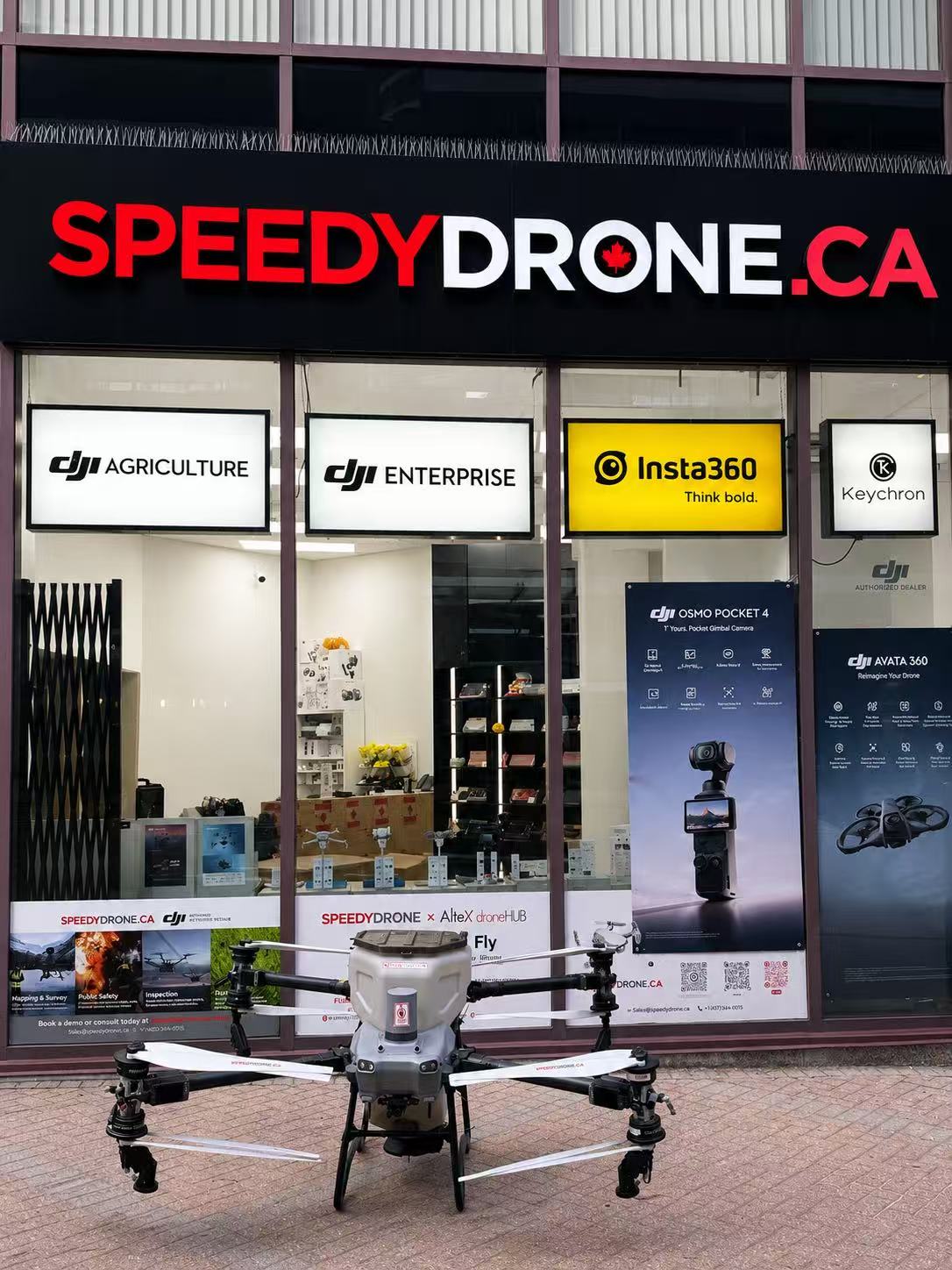
Crop Spraying
Drone spraying for Canadian farms.
Another way into the field when ground equipment is limited.
Start with your crop, field conditions and application window. SpeedyDrone connects spray configuration, field preparation, training and support around the work you need to do.
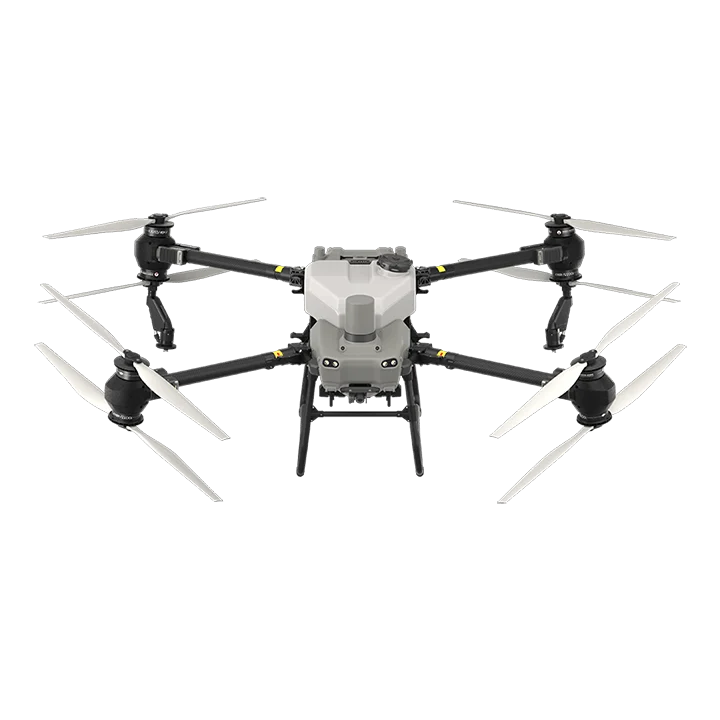
Explore DJI AGRAS T50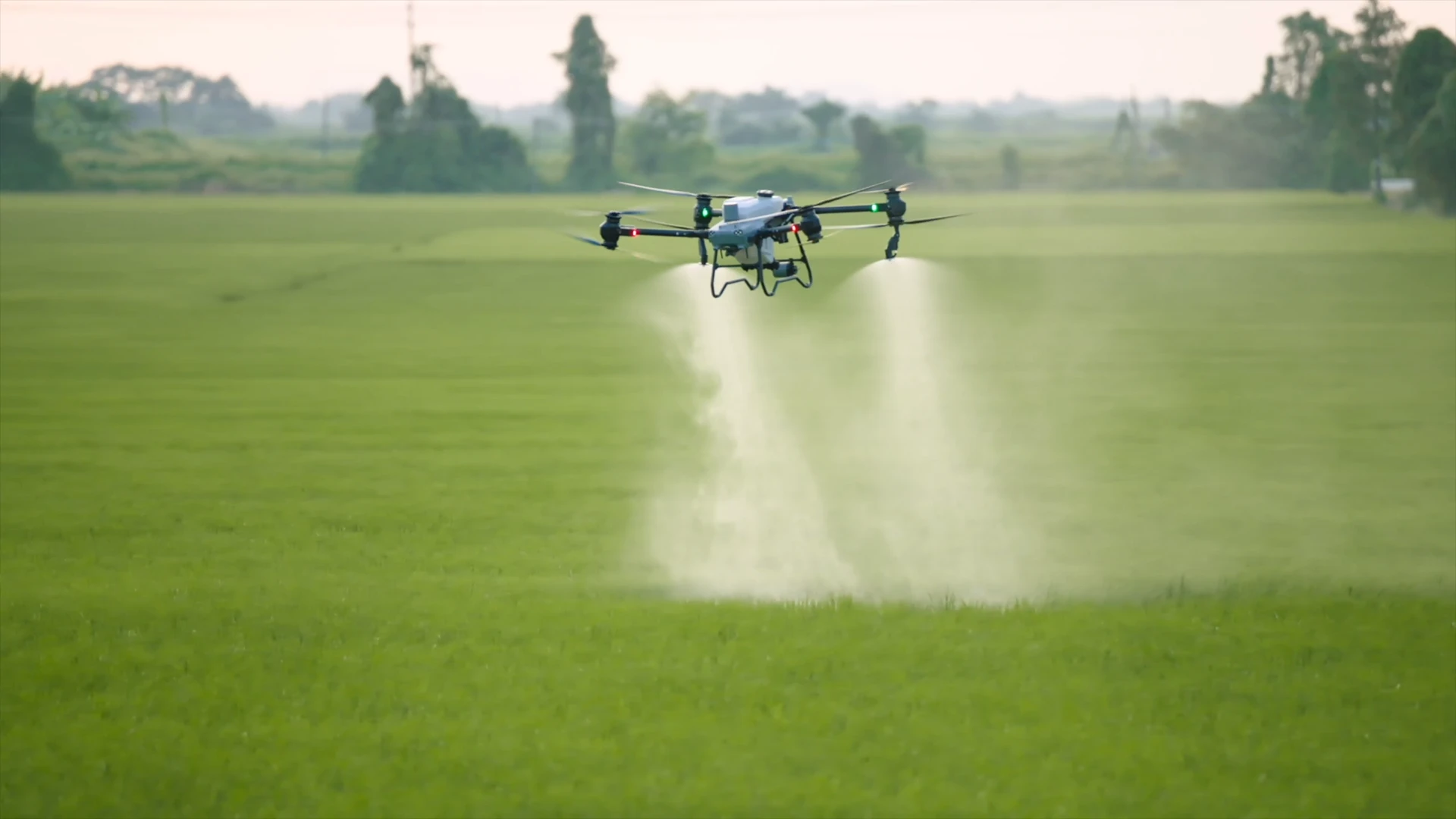
Where Drone Spraying Makes a Difference
A practical option for specific field conditions and crop stages.
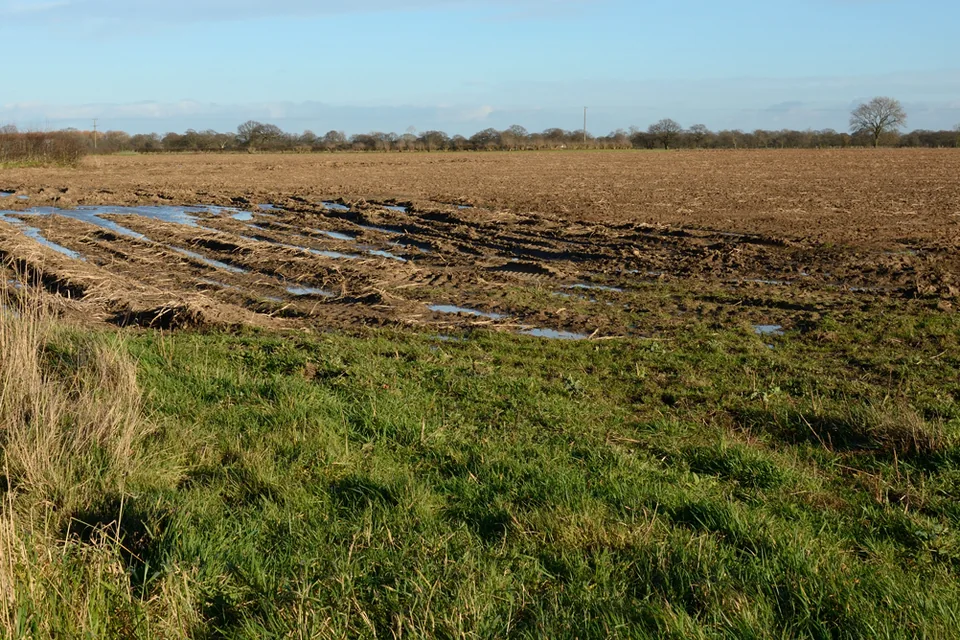
Wet or soft ground
When soil conditions limit ground equipment access.
Limited ground access does not mean the day is suitable for spraying. Check the weather and application conditions before the operation.
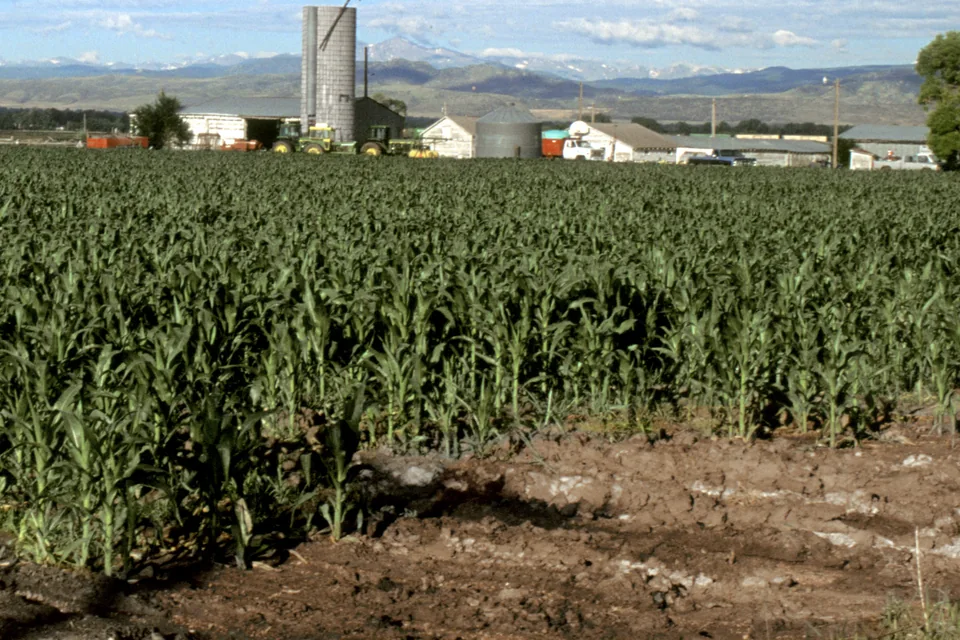
Mid to late crop stage
Consider another way to reach crops as they grow.
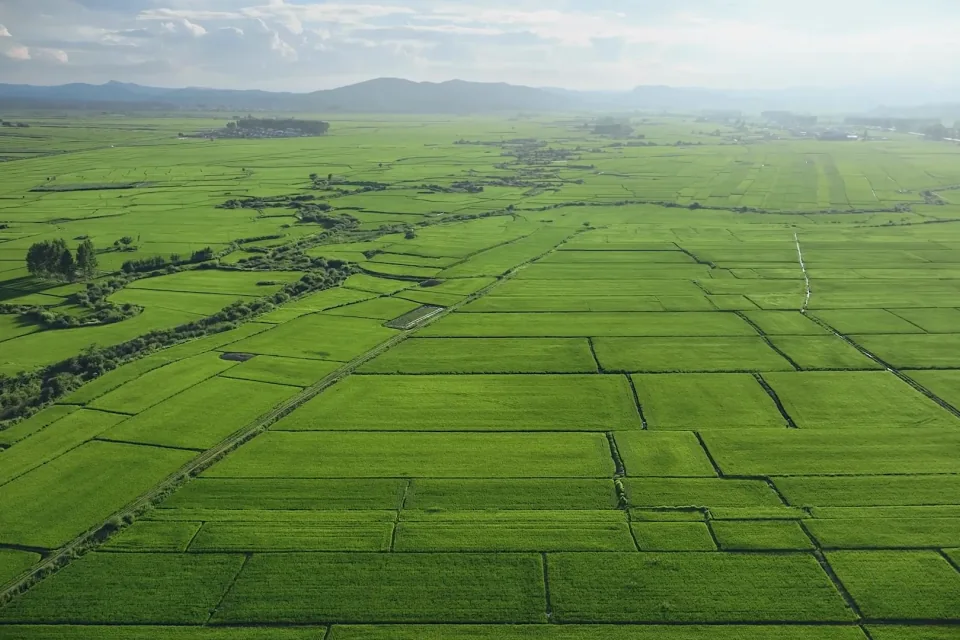
Irregular fields and slopes
Assess access around boundaries, slopes and obstacles.
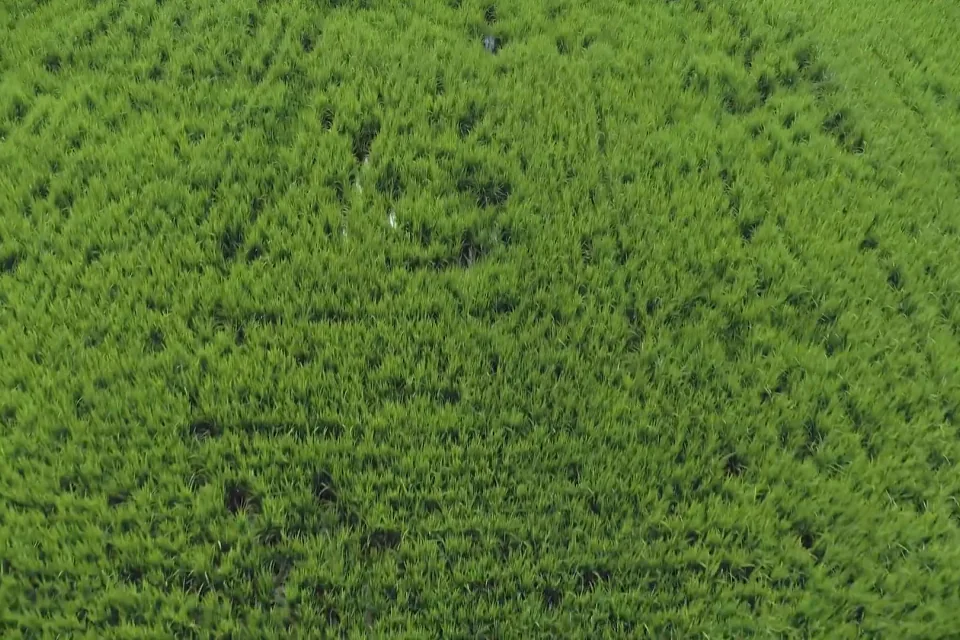
Targeted or spot treatment
Plan around a confirmed area within the field.
From Planning to Completed Application
A clear process from field assessment to task execution.
Understand your needs
Crops, growth stage, field conditions and objectives.
Assess suitability
Field boundaries, operating conditions and requirements.
Plan and configure
Equipment, application settings, field checks and team.
Execute in the field
Coordinate spraying, refilling and battery rotation.
Review and record
Operation records, unfinished areas and follow-up.


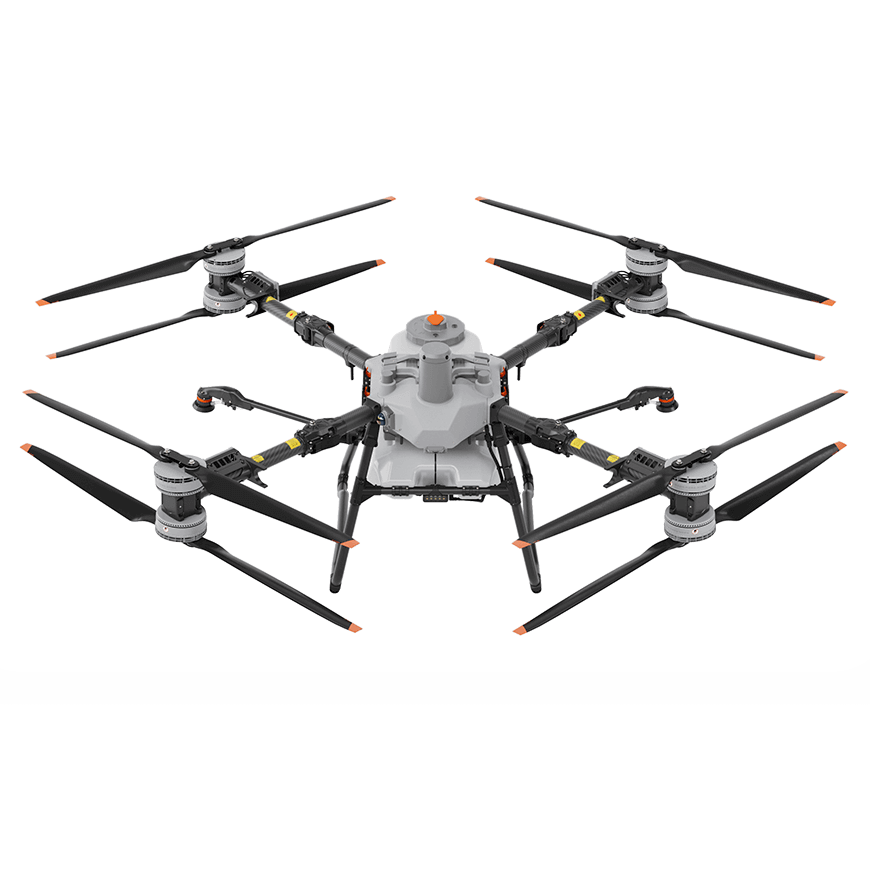
Recommended Equipment
Configured for your spraying operation.
A Smarter Workflow with Data
Use field information to plan the work, with people confirming the task.
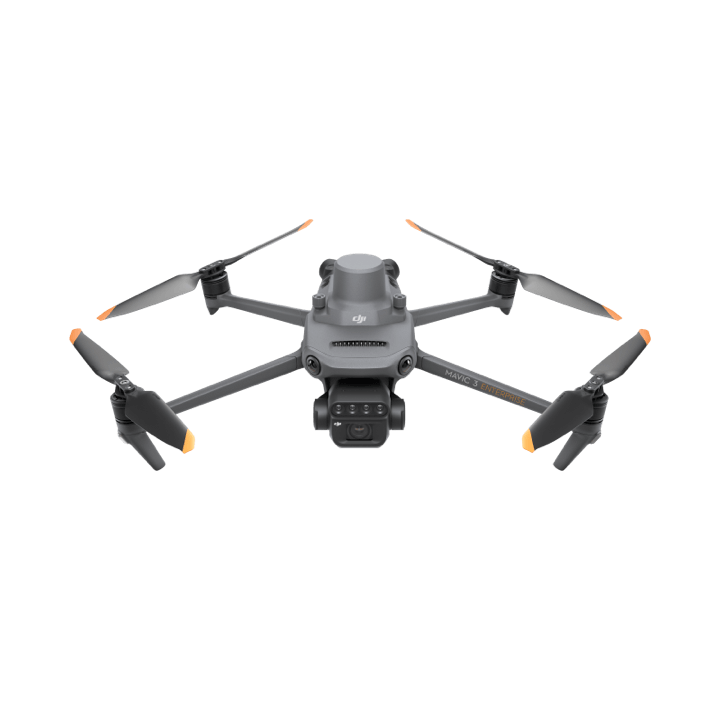
Mavic 3M
Collect field imagery
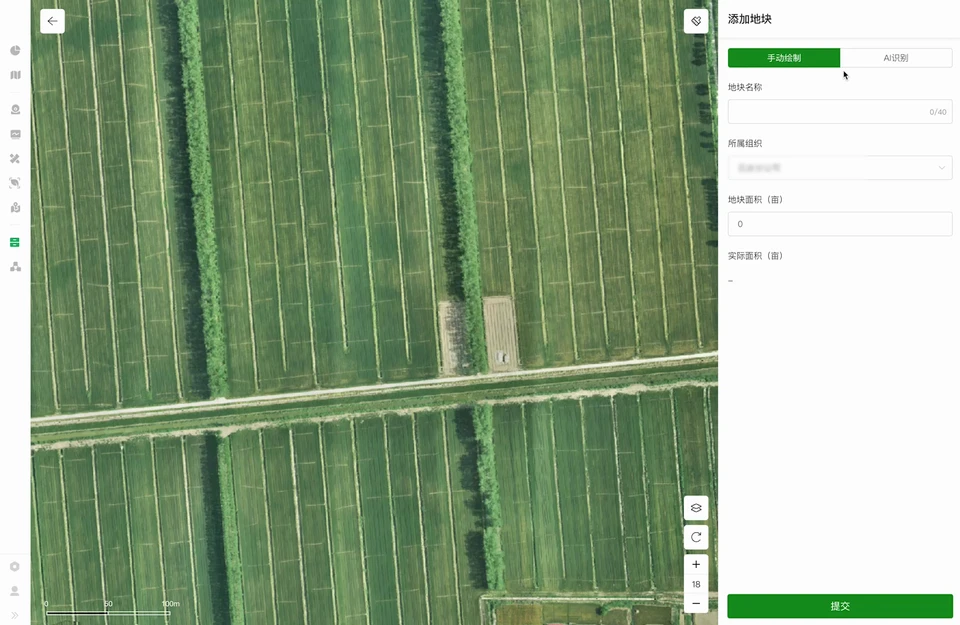
Terra / SmartFarm Web
Analysis & planning
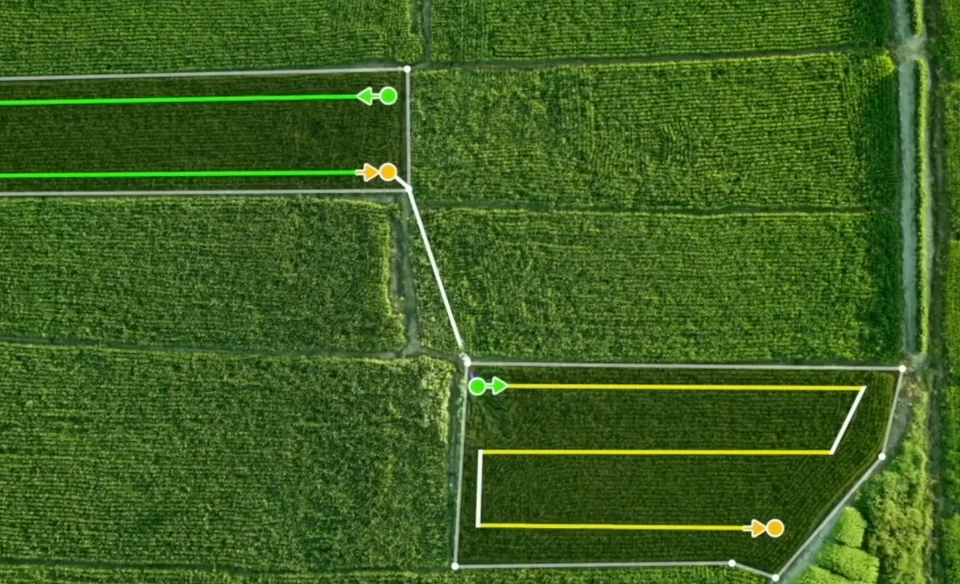
Treatment map
Plan targeted application
T50 / T100
Execute the agreed task
SmartFarm App supports operation records and review. Maps shown are DJI planning examples. Outputs, versions and transfer methods are confirmed during configuration.
Field Logistics Makes It Work
Power, refill, transport and people — organized around the next flight.
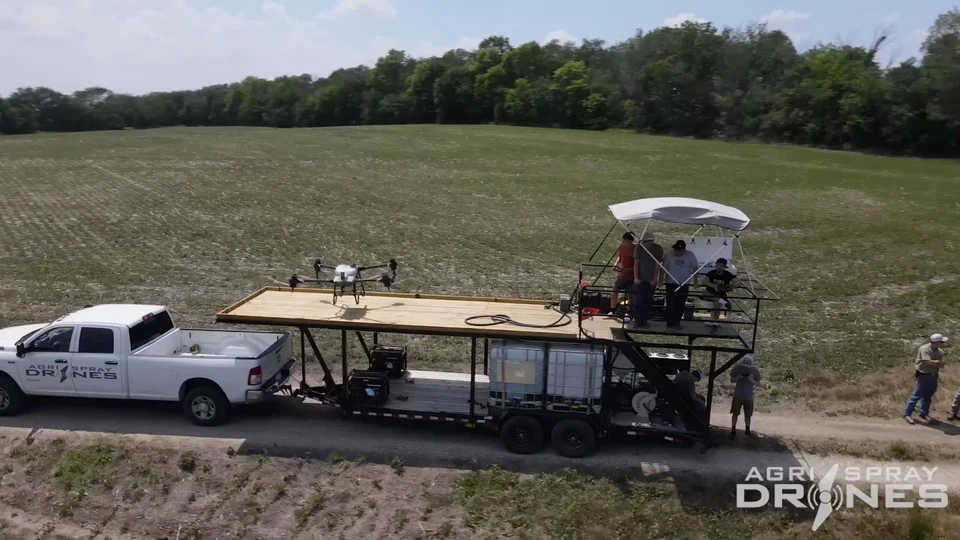
Transport & setup
Get equipment to the field and prepare the site.
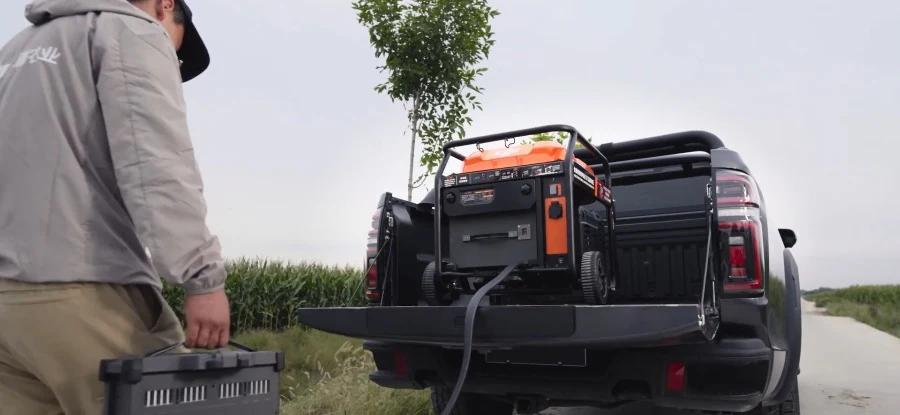
Power & battery rotation
Organize charging and the next battery change.
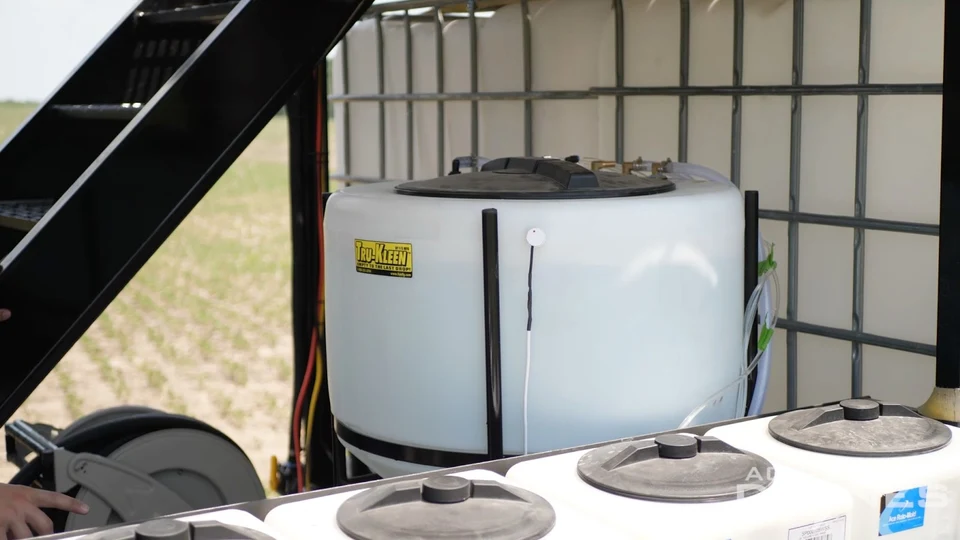
Refill & material handling
Prepare water, filling and material flow.
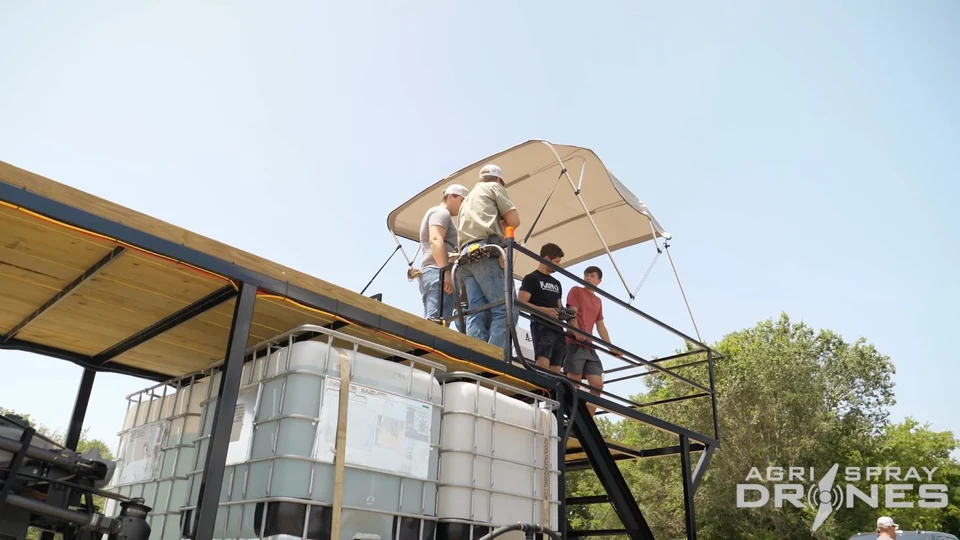
People & coordination
Agree team roles and the next steps.
Define the target. Then set the parameters.
A route is only part of spray planning. Keep planned settings, field checks and execution records distinct.
A field plan, before a flight plan.
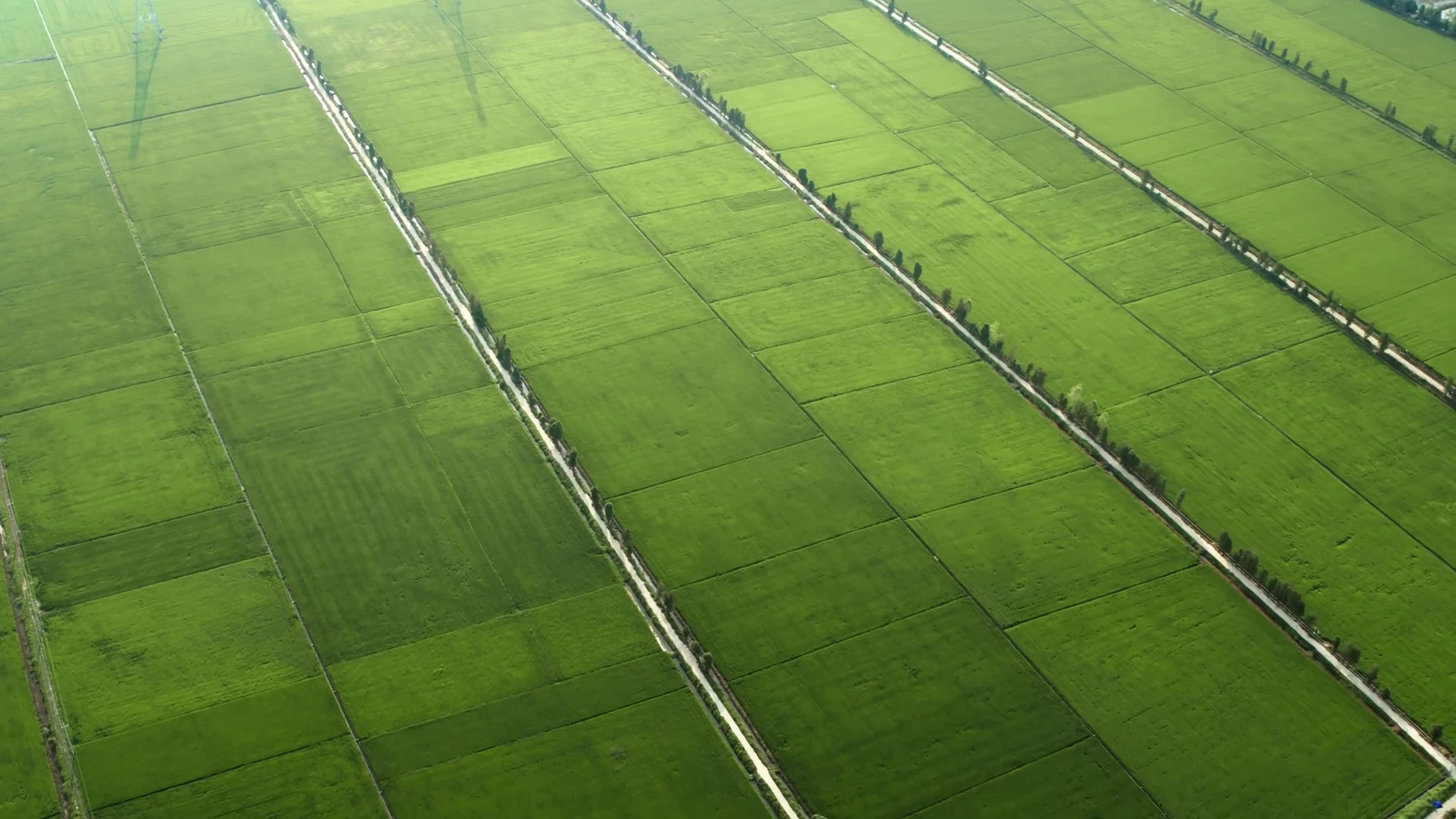
- Field boundary
- Planned treatment area
- Road / exclusion area
- Proposed routes
What area needs treatment?
Separate the whole field, planned treatment area, exclusions and boundaries still to be checked on site.
What liquid application is required?
Distinguish the product dose per unit area from the spray volume per unit area. Less water does not automatically mean less product.
How should adjacent passes meet?
Match route spacing to the effective swath under the intended conditions. A published maximum swath is not a universal setting.
How will coverage be checked?
Check deposition at the target, the joins between passes and the field edges. A flown track alone does not verify spray quality.
- Plan the settings
- Check in the field
- Keep execution records
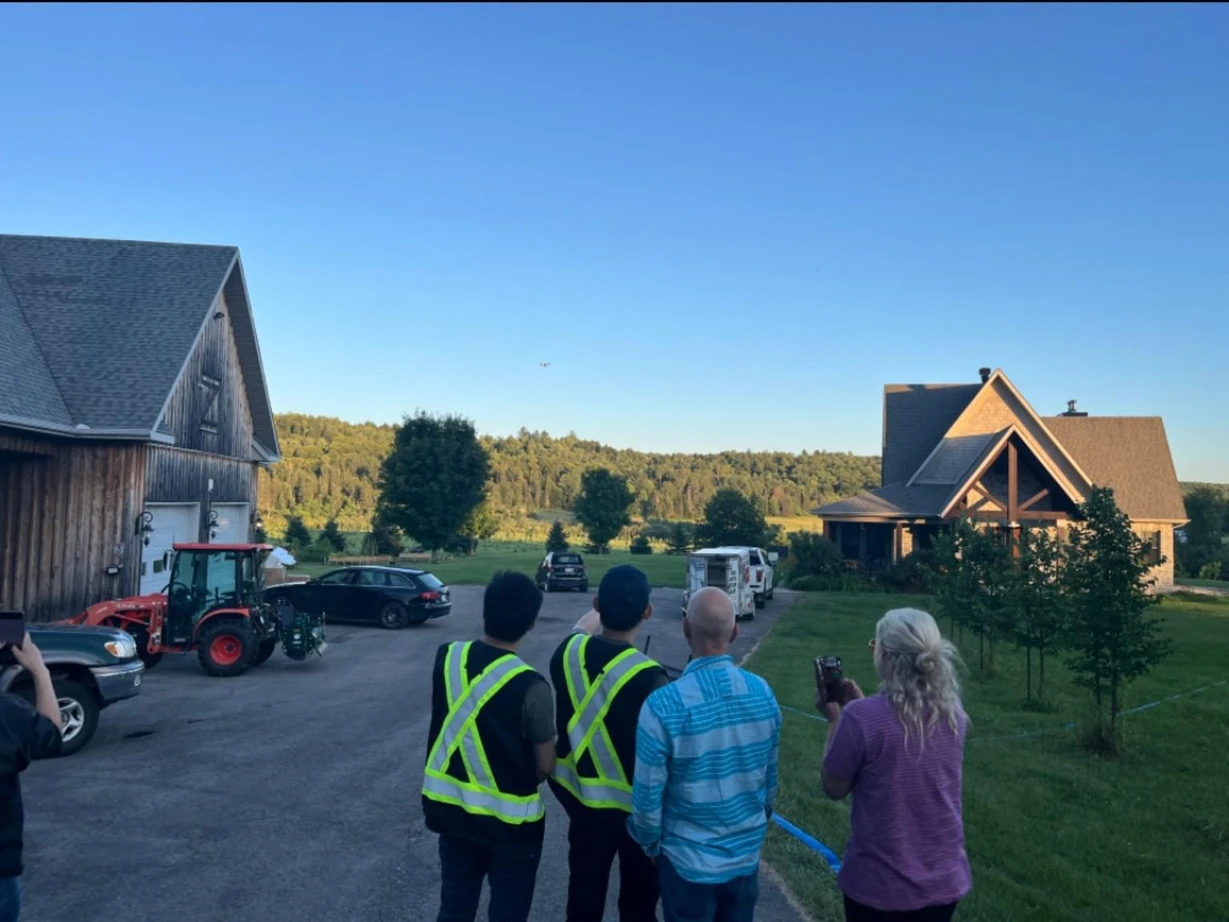
Prepared around Canadian field conditions.
SpeedyDrone connects the task, equipment, training and ongoing support. Together, we establish what the site needs and what remains to be checked before use.
- Task fit
- Review the crop, land, existing equipment and the work that needs another option.
- Spray & ground configuration
- Identify candidate equipment, support facilities and unresolved requirements.
- Deployment & handover
- Arrange preparation, training and an operational handover within the agreed scope.
- Technical support
- Agree maintenance, issue reporting and the follow-up support process.
On-site testing, flight services and agronomic support are defined in the project scope; they are not automatically included with equipment purchase.
Before the work begins, confirm these conditions.
Start with the proposed product, location and team to identify what the spraying task needs.
Pesticide & label
Confirm the product and intended use are eligible. Check dose, spray volume, droplets and buffers against the label and applicable policy.
Aircraft & operation
Check aircraft registration, pilot qualifications and operating requirements for the model, flight method and location.
Provincial requirements & team
Check local application requirements, roles and protective measures. Confirm pilot and pesticide-application qualifications separately.


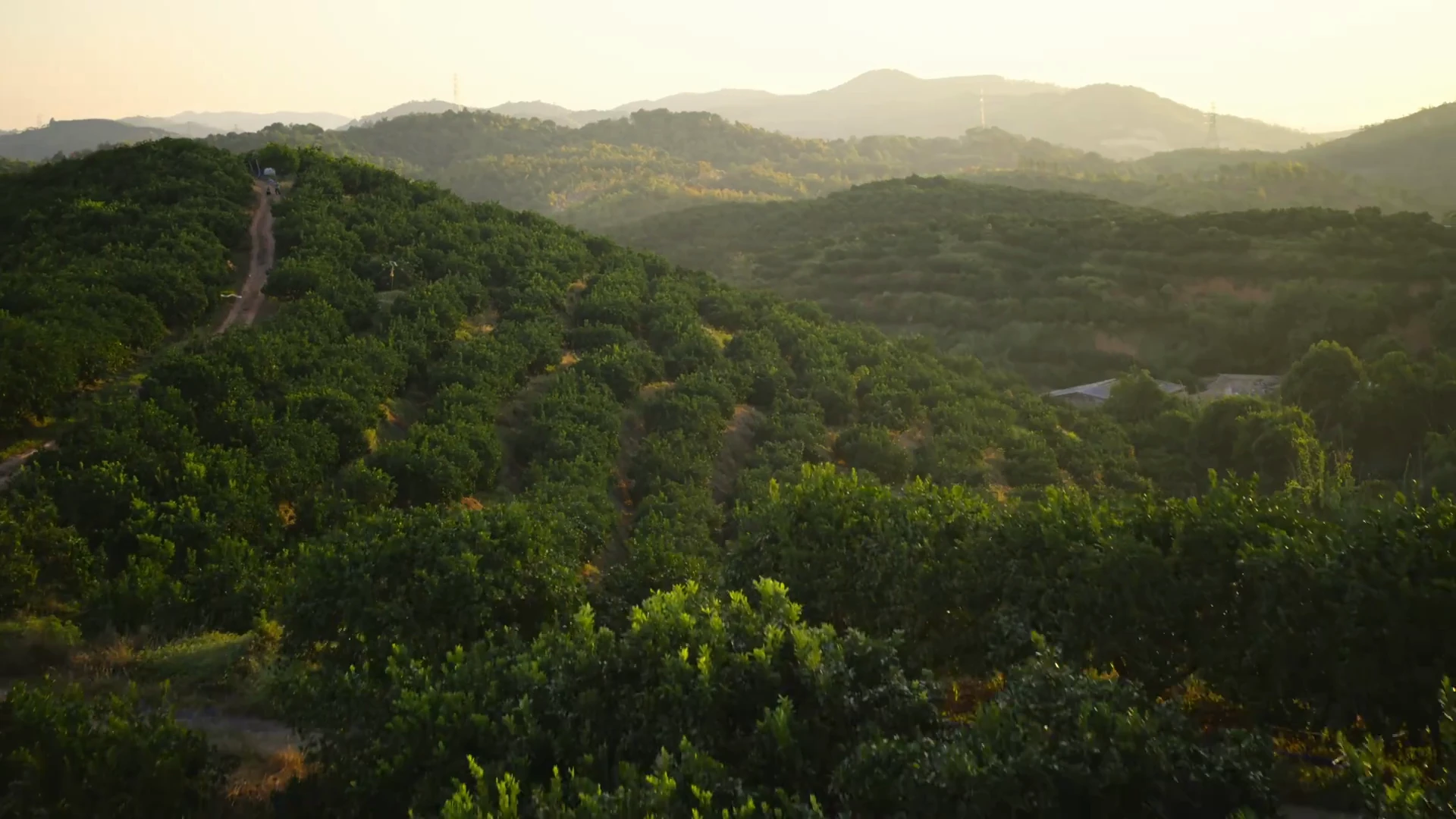
Orchards & tall-canopy crops
Start with tree form and the target area.
Review tree form, row spacing, canopy structure and treatment goals to define the coverage checks, then discuss equipment and field operations.
- Tree form & row spacing
- Understand the planting layout and site conditions.
- Canopy & target areas
- Identify what needs treatment and the coverage required.
- Configuration & verification
- Use spray-volume needs to decide what needs further checking.
Suitability and coverage for orchard and tall-canopy work need a separate assessment. Do not directly reuse broadacre settings.
Discuss your orchard spraying task
Before you choose a configuration.
Can a drone replace my ground sprayer?
We start with complementary capability. Identify the work limited by ground conditions, crop stage or scheduling, then assess where a drone could help. There is no need to replace a reliable process across the whole farm.
Do I also need Mavic 3M and software?
No. A configuration can begin with an already defined spraying task. Scouting, imagery processing and data management are optional, according to the information you already have and the work you need to do.
How much area can be completed in a day?
There is no single figure for every task. Discuss the planned treatment area, spray-volume requirements, field layout and ground supply before estimating how the work could be organized.
Can we discuss a configuration before buying?
Yes. Start with your equipment, main crops and the problem you are trying to solve. The next step is a task brief, candidate configuration and open questions, followed by scope and a quote.
What spraying task do you need to complete?
You do not need to choose an aircraft first. Tell us about the crop, field and your existing way of working.
- Receive your brief
- Discuss suitability
- Confirm configuration & scope
- Prepare a quote