Smarter aquaculture starts in the sky.
Clean oceans, healthy food, brighter tomorrow.
AQUACULTURE FEEDING
Drone feeding for remote and dispersed fish cages.
Does every top-up need a workboat trip?
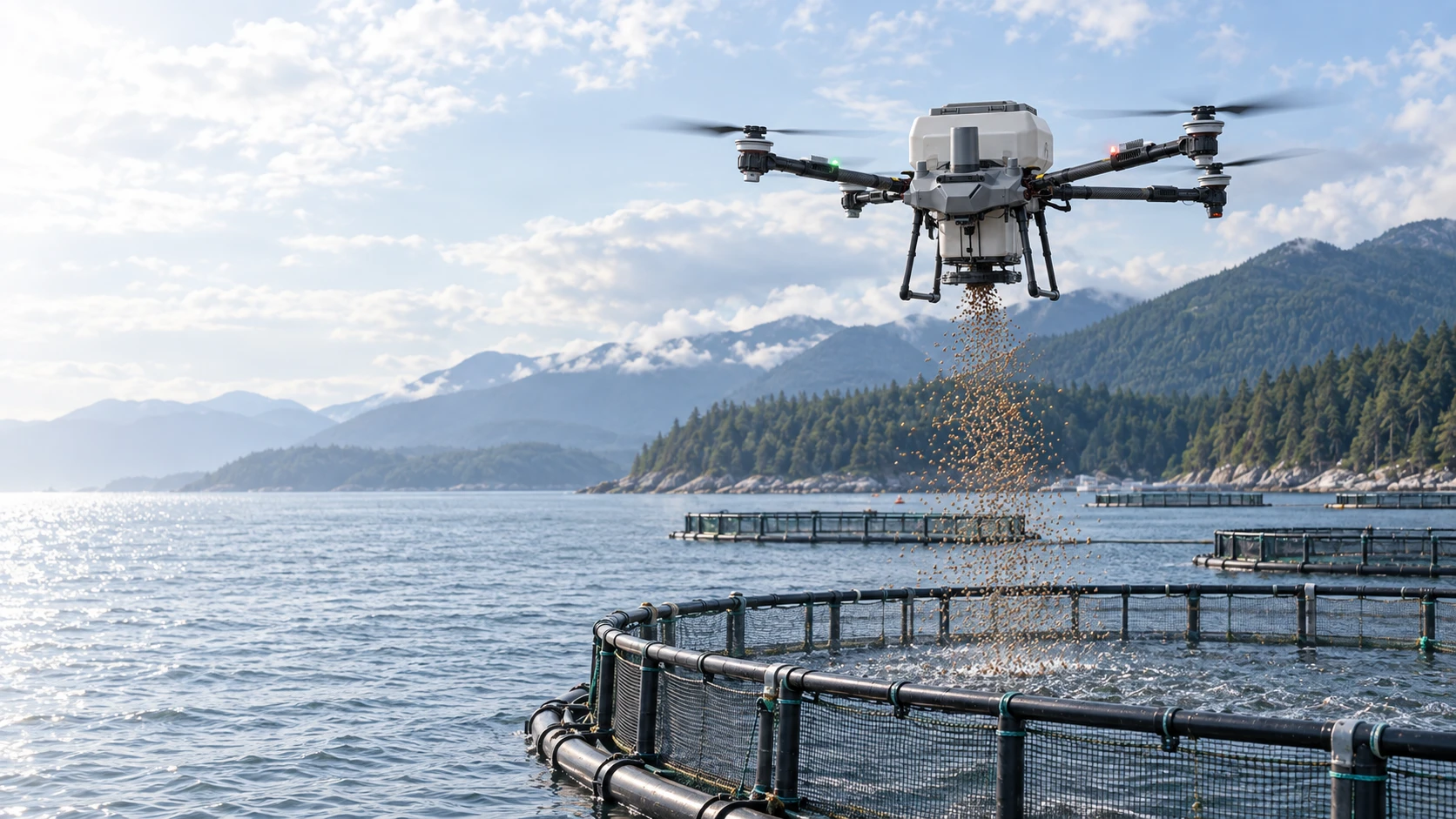
SpeedyDrone Canada uses agricultural drones for pellet feed transport and cage feeding. We assess remote deliveries, dispersed tasks and temporary top-ups from shore loading to distribution and return.
Tell us how your feeding operation works today. We will discuss suitable equipment, shore logistics, training and support around the task you need to complete.
- More flexible operations
- Fewer workboat trips
- Explore smarter aquaculture
Applications underwayPellet feed transport and drone feeding in Canadian aquaculture settings.
Next stageField validation and product development of precision feeding using aquaculture data.
Find the task a drone could help complete.
Start with a specific delivery and the way it is handled today.
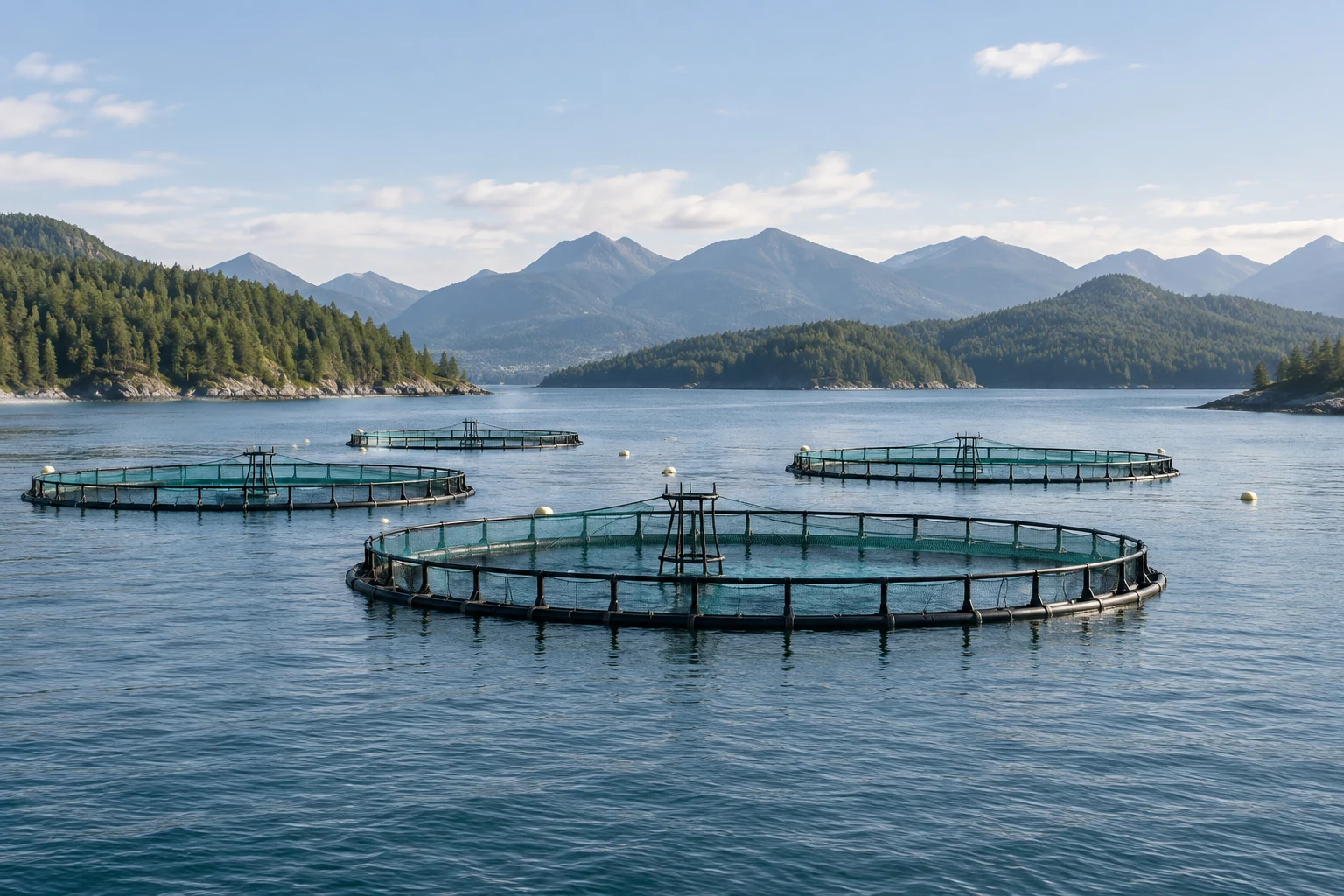
Remote or dispersed cages
A modest feed delivery can involve boat preparation, crew allocation and a full round trip.
Assess the route, shore distance and the delivery that could be handled separately.
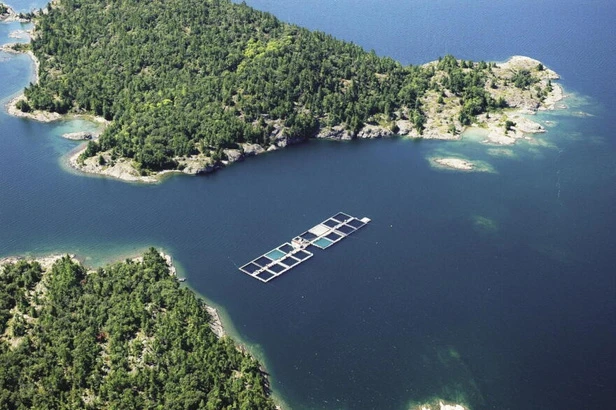
Small, frequent deliveries
Feed arrives in batches throughout the day, with repeated loading and replenishment.
Match feeding windows and daily totals to actual payload, charging and turnaround.
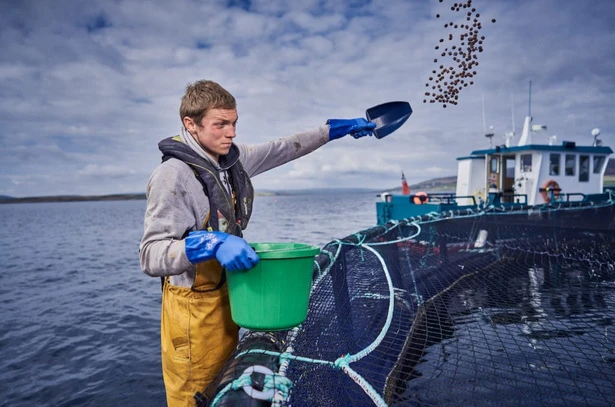
Temporary top-ups
One cage needs an additional delivery outside the usual schedule.
Check whether it would require a separate boat trip and whether a drone is feasible.
Load ashore. Deliver to the cage. Return.
Plan the flight and the shore turnaround together, using a verified usable load for each sortie.
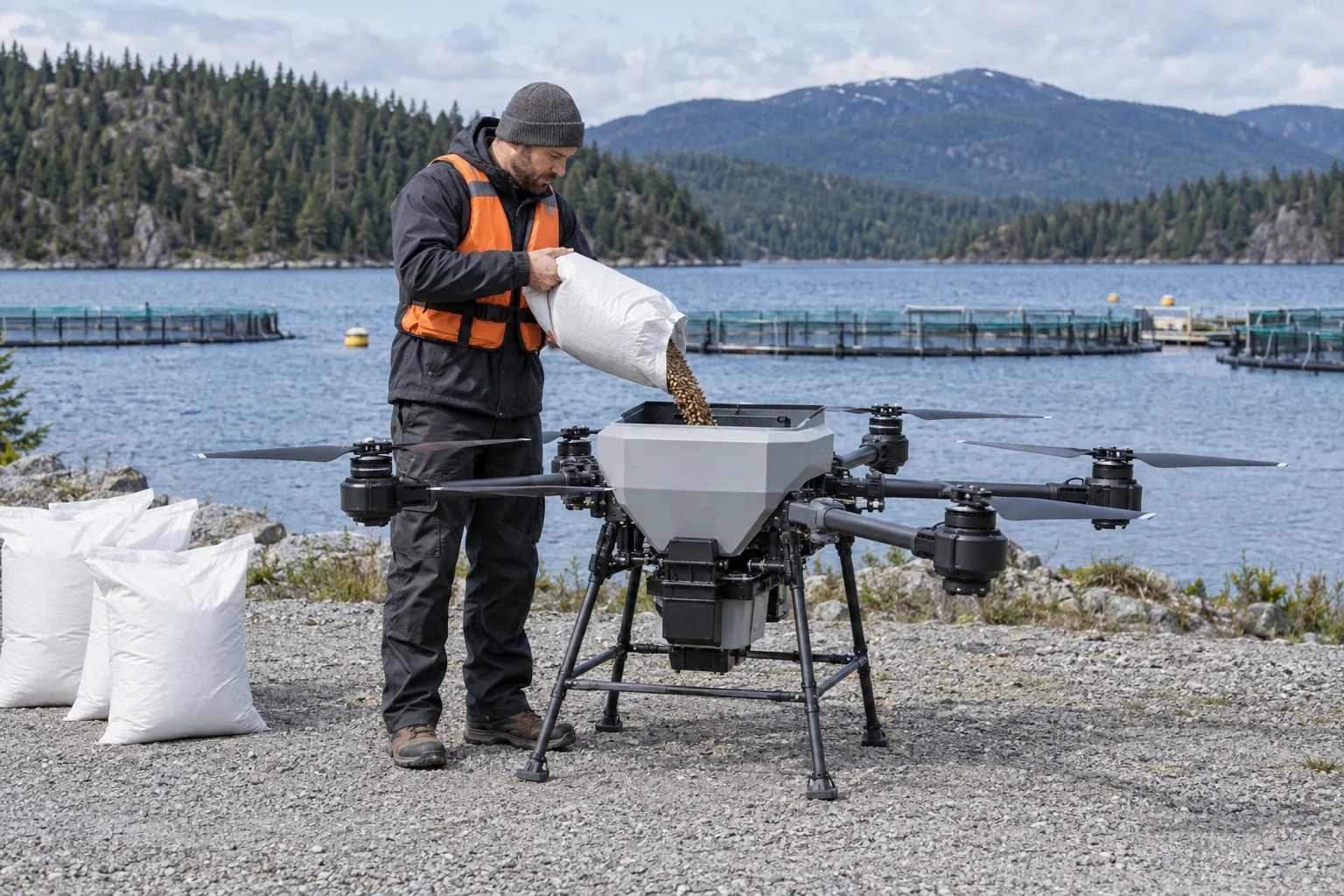
Load ashore
Confirm the cage and planned quantity. Prepare measured batches, batteries and the delivery sequence.
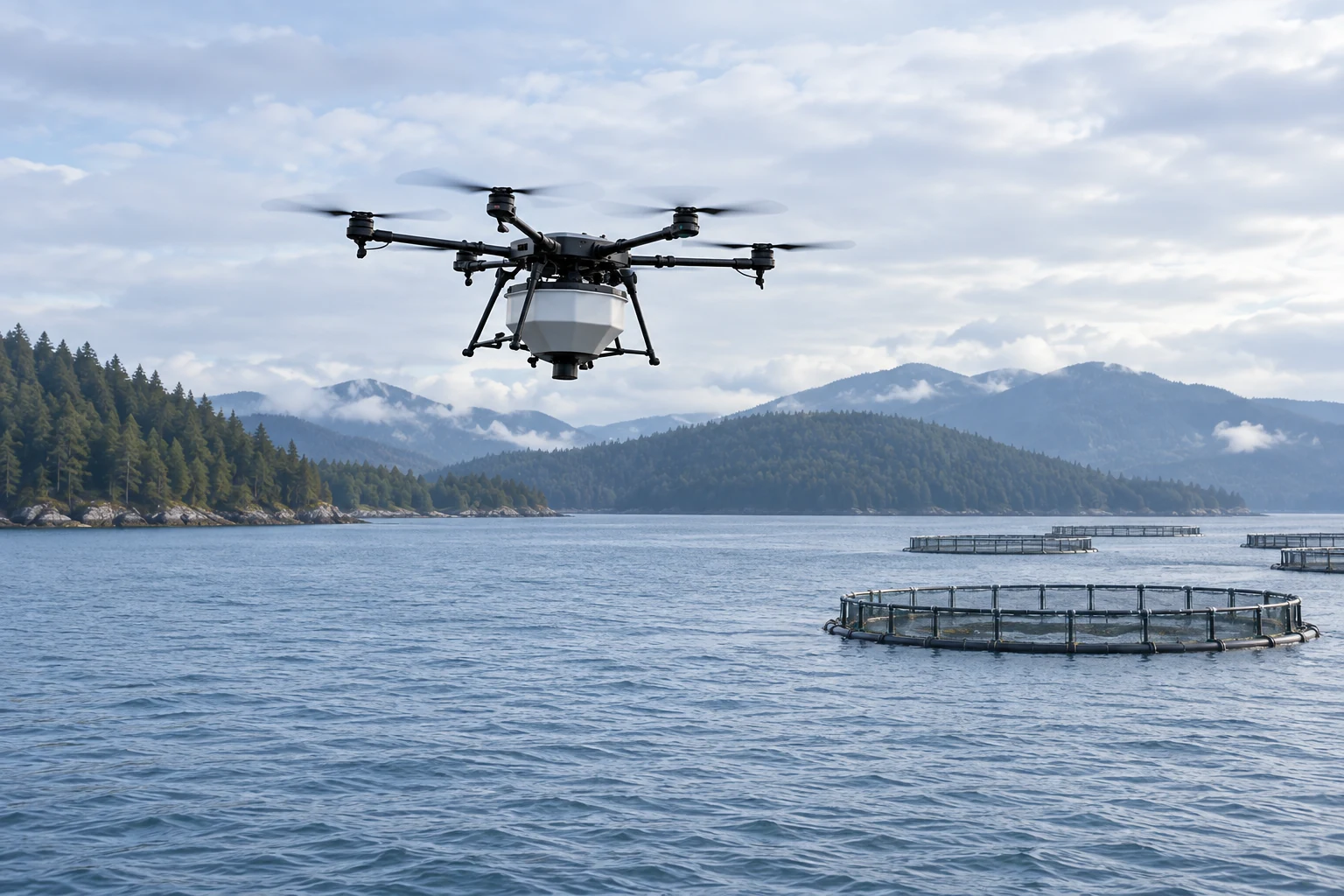
Fly to the designated cage
Follow the site-confirmed route and task plan. Account for the complete round-trip distance.
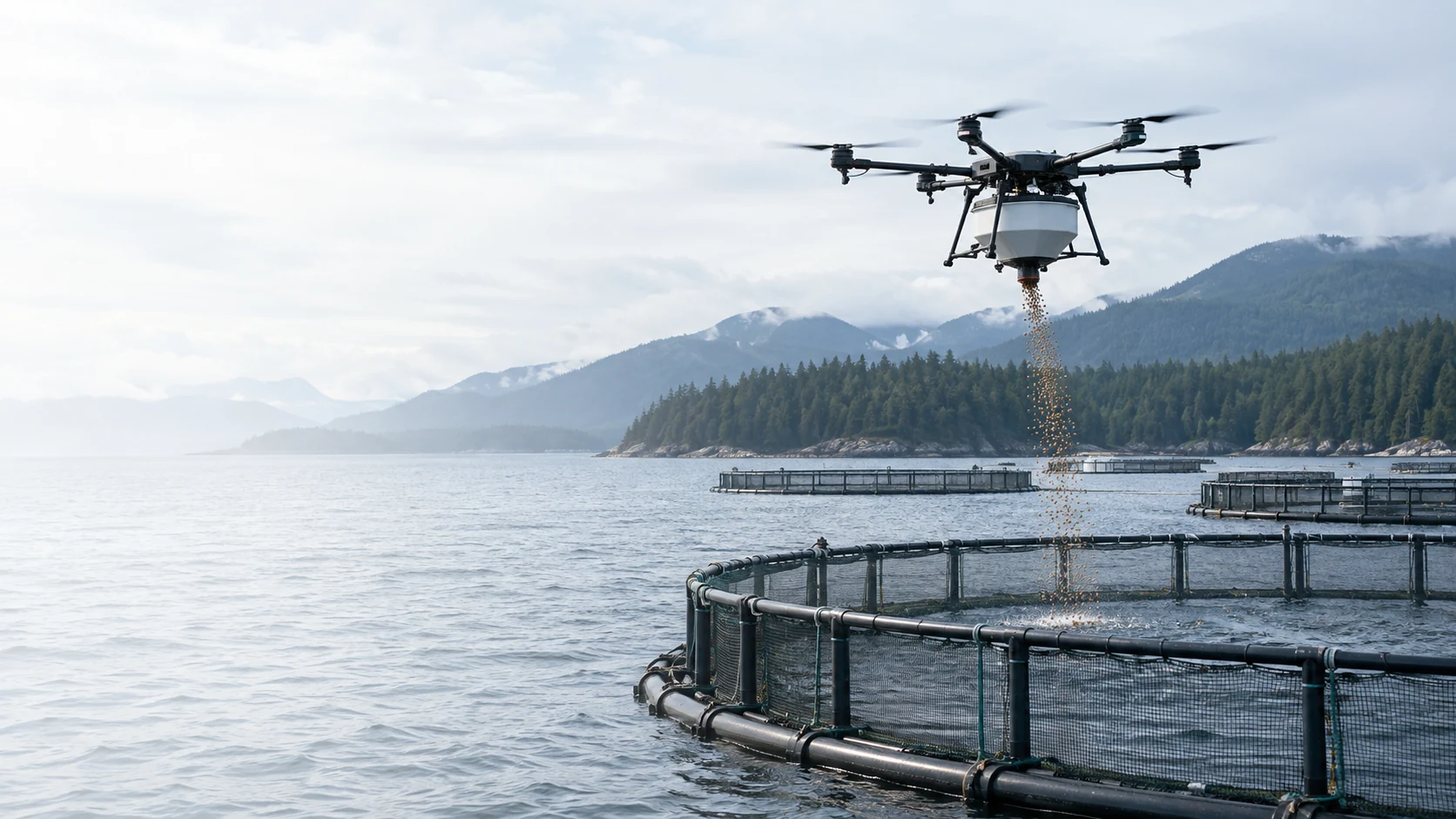
Feed and return
Distribute within the designated area, return to shore and replenish for the next sortie.
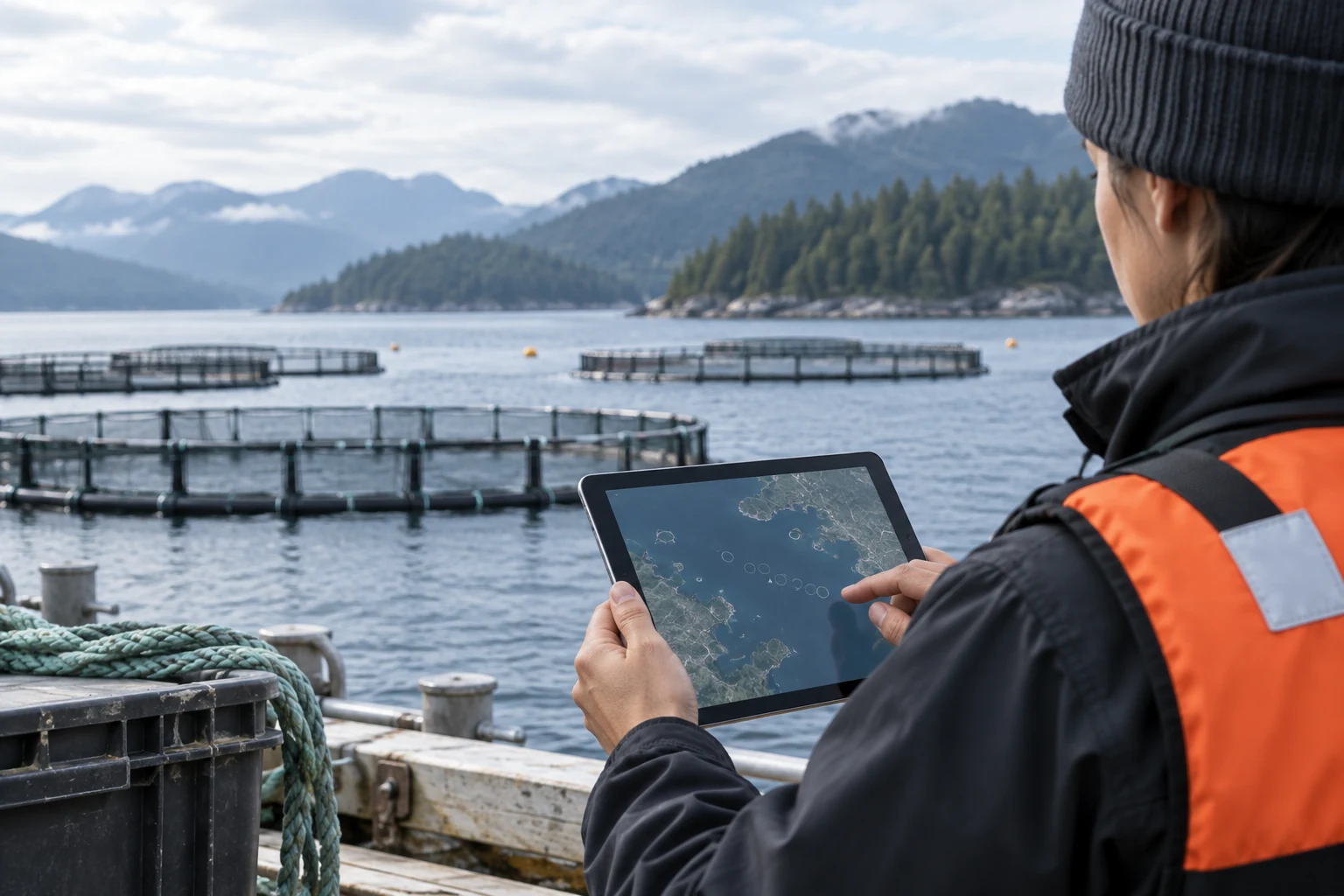
Review the task records
Bring together the task records to support the next feeding plan.
- Actual weight delivered
- Sorties completed
- Elapsed time
- Issues to follow up
Loading, charged batteries and crew preparation support the flight cycle in parallel.
Daily feed demand sets the task scale. Actual payload, round-trip distance and shore turnaround determine how it can be completed.
Compare the whole delivery task.
Compare the work that could actually change: people, preparation, travel, replenishment and the tasks that still need a boat.
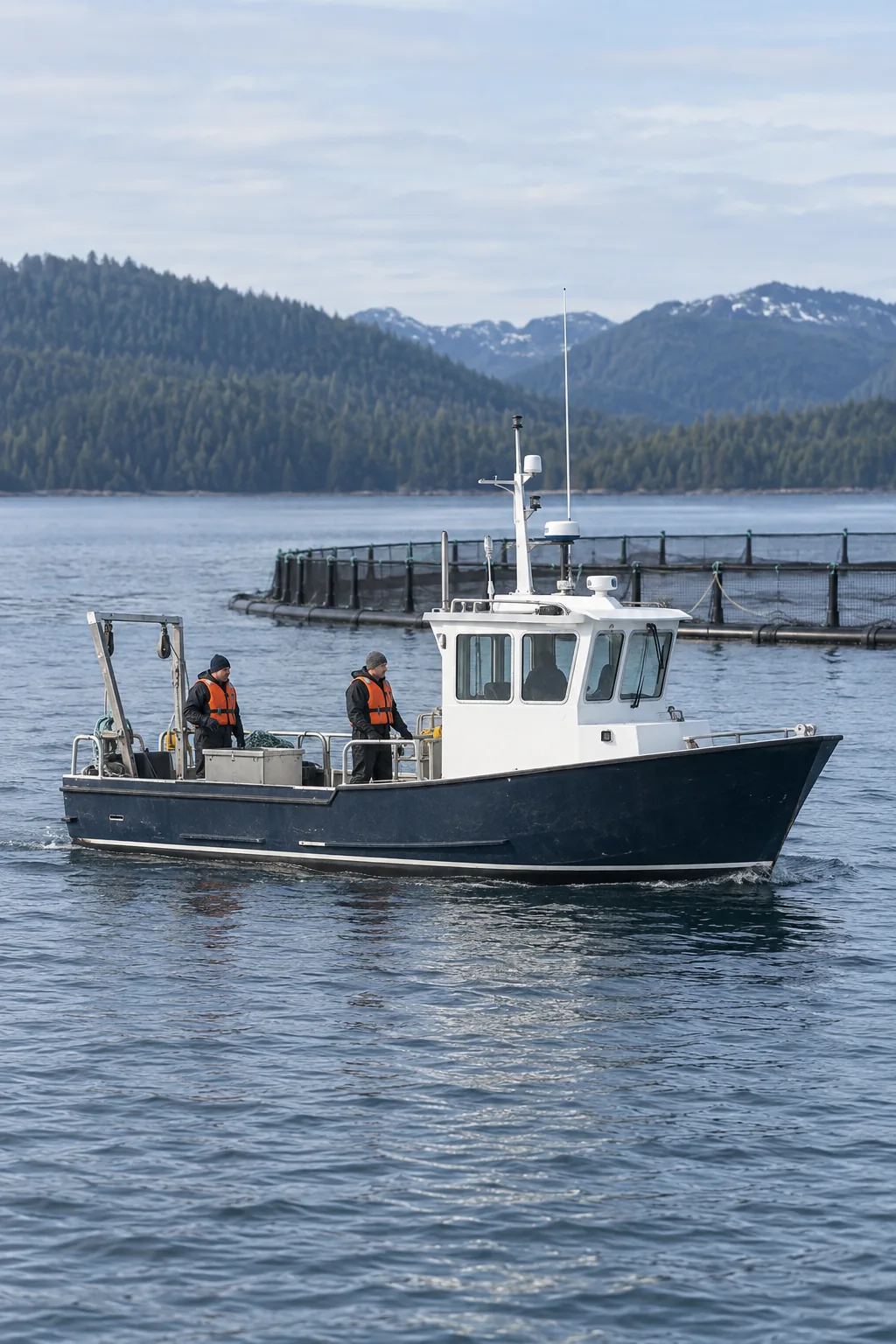
Traditional workboat workflow
Illustrative assumptions
- 2 people × 3 hours = 6 person-hours
- Labour: CAD 130–180
- Fuel: about CAD 68–113
- Labour + fuel: about CAD 200–300
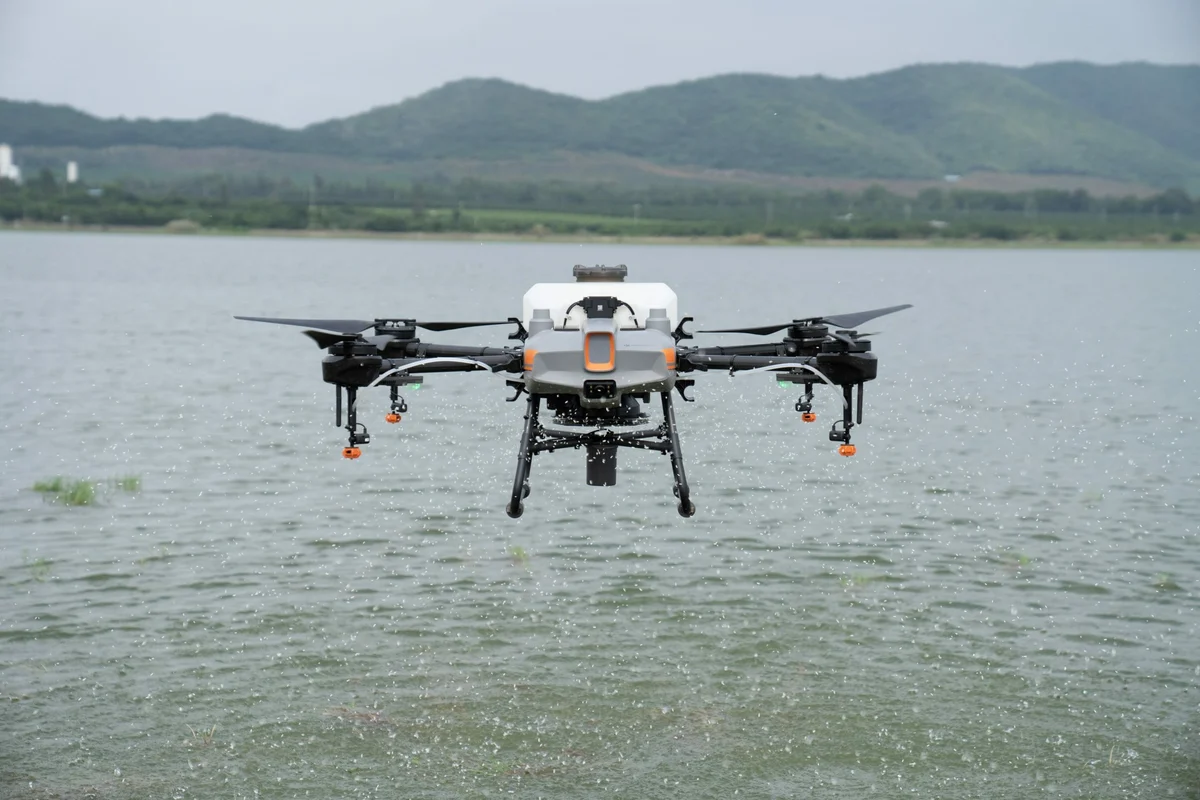
Drone operation: what to assess
- Distance and round-trip route
- Usable payload and total sorties
- Battery rotation and charging
- Operating and loading crew
- Equipment, maintenance and transport costs
If the boat must also inspect or maintain the site, only the actually replaceable part of the outing can be counted as avoidable.
System architecture direction · Field validation and product development are the next stage
A precision feeding ecosystem, built around each cage.
Aquaculture Precision Feeding Ecosystem
SpeedyDrone’s Aquaculture Precision Feeding Ecosystem is a proposed development direction for linking cage information, reviewed feeding plans and drone execution. Field validation and product development of these capabilities are the next stage.
Environmental sensing
Collect the available cage, stock and environmental information.
Data analysis
Review conditions and feeding history for each cage.
Feeding decision
People confirm the cage, time, weight and delivery area.
Drone execution
Split the confirmed task into feasible sorties.
Records & feedback
Review actual delivery and inform the next plan.
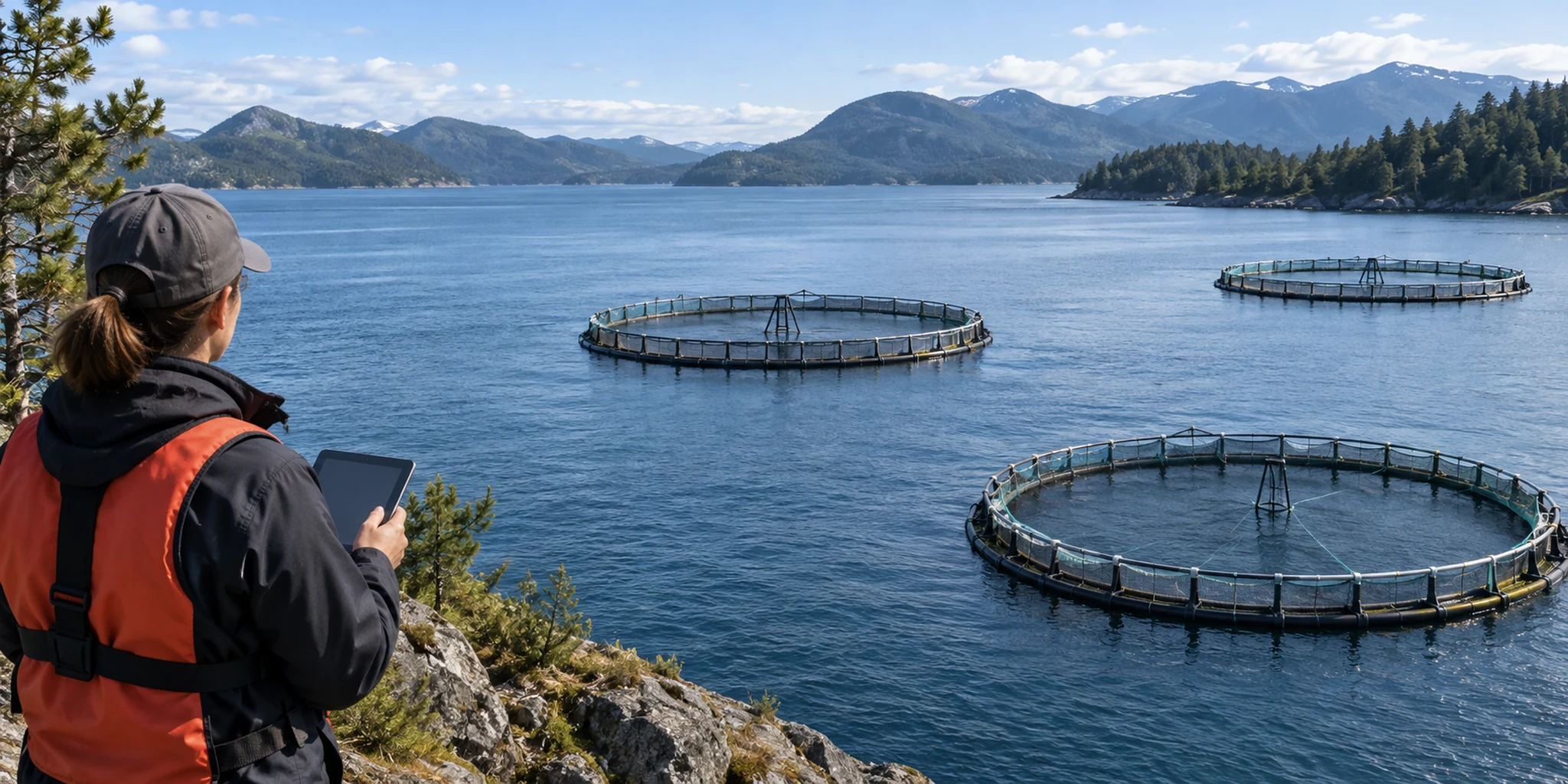
From site information to a reviewed plan
People confirm the task before execution.
Inputs for each cage
- Fish biomass
- Water temperature & dissolved oxygen
- Feeding behaviour
- Weather
- Historical feed conversion ratio (FCR)
- Cage location


Data availability and connections to validate
Cage-by-cage task plans
Concept plans · Not a live view
| Cage A | Daily plan example380 kg |
|---|---|
| Cage B | Daily plan example520 kg |
| Cage C | Daily plan example280 kg |
Illustrative daily totals are split into sorties using verified usable capacity. Time and distribution area are confirmed with the farm.
Concept example, not field measurements or feeding advice. Planned totals, actual delivery and feeding behaviour are separate records.
- Target cage
- Cage A / B / C
- Planned time
- To confirm
- Planned daily weight
- Illustrative daily planned total
- Distribution area
- To confirm
Pellet transport and drone feeding provide the execution foundation. Data integration, demand calculations, dispatch and feedback remain functions to validate.
Tell us about your operationThis enquiry starts with precision feeding system assessment selected.
Local delivery, from task assessment to support.
Discuss the equipment, shore setup and people needed for your operation with the SpeedyDrone Canada team.
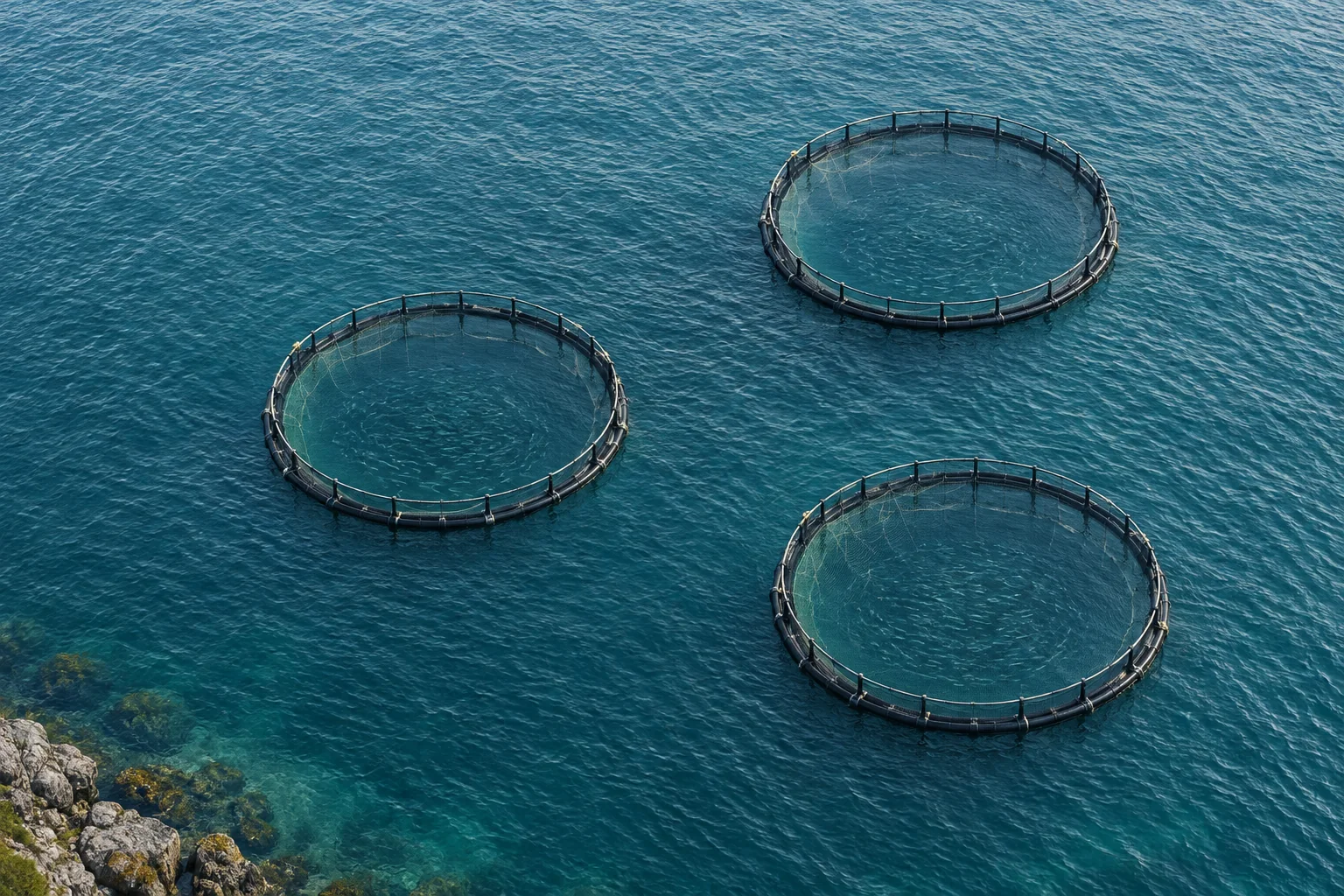
Task & site assessment
Cage layout, distances, feed requirements, boat routines and the conditions still to verify.
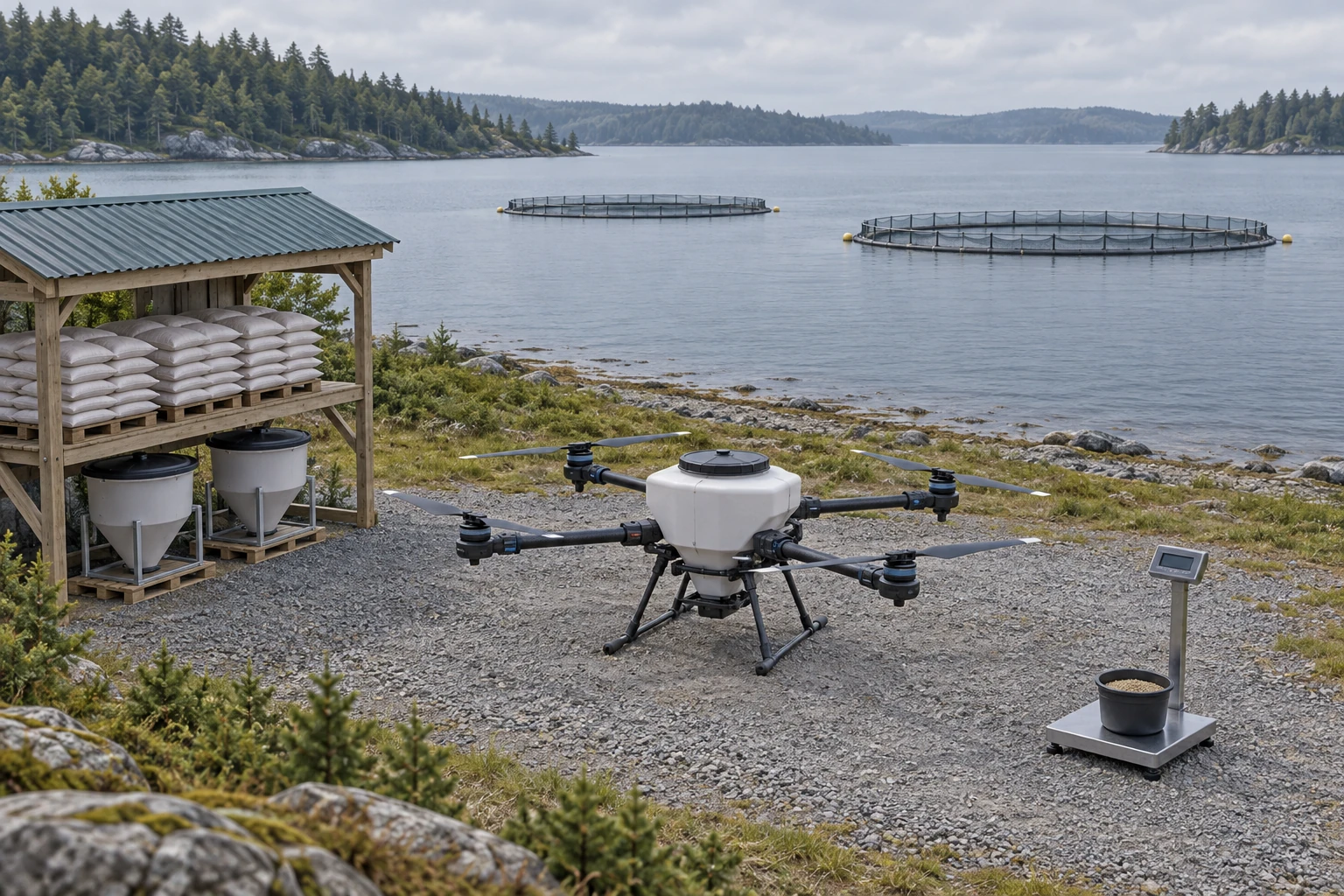
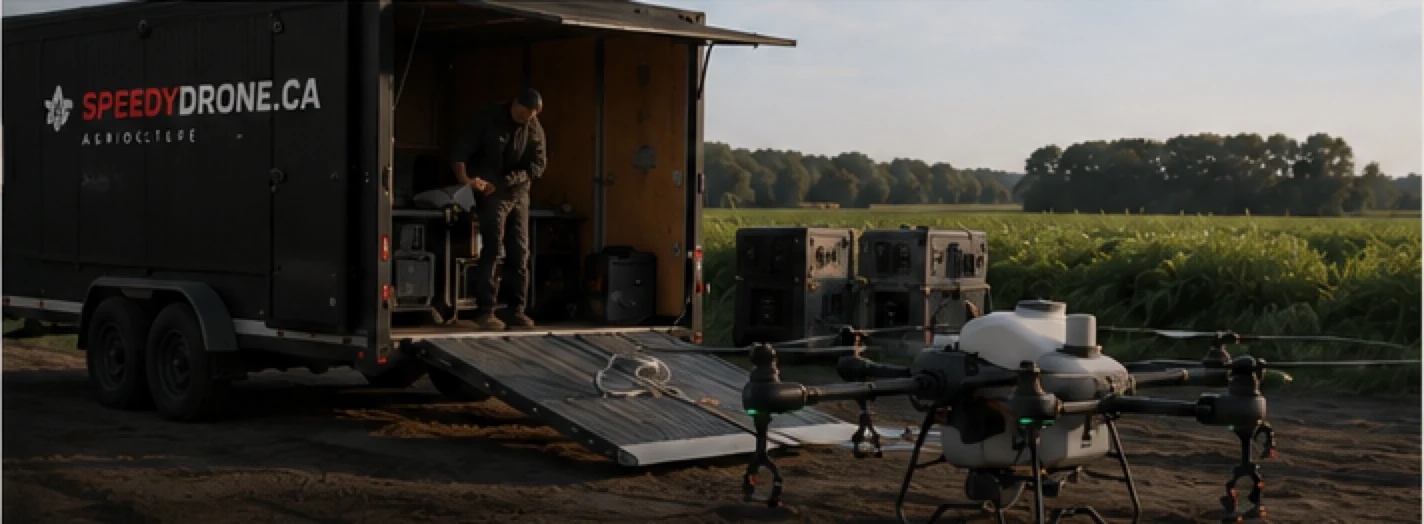
Equipment & shore configuration
Aircraft and granular system, measured loading, batteries, charging and shore access.
Deployment & training
Site preparation, operating handover, team responsibilities and the agreed training scope.
Records & ongoing support
Task records, technical contacts, maintenance arrangements and follow-up needs.
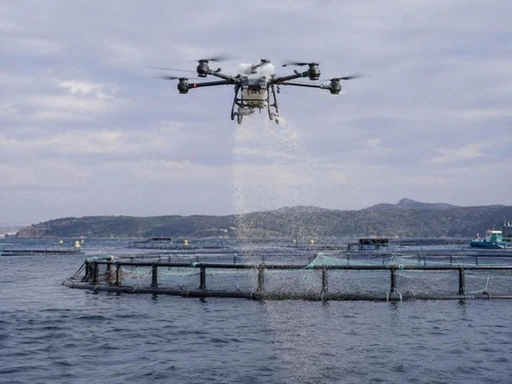
Canadian field material
Developed around Canadian field tasks.
SpeedyDrone Canada has begun pellet fish-feed transport and drone feeding work in Canadian aquaculture settings. The field photograph shows a drone working above a cage in Nova Scotia.
Company application materials document drone feeding in Nova Scotia. They do not establish a customer’s production results, cost savings or a standard equipment configuration.
Configuration, training, field implementation and ongoing support are agreed for the project. Related aircraft are options to assess, not a standard aquaculture configuration.
Before you plan a feeding task.
Does a drone need to replace the existing feeding system?
No. Start with a defined delivery or top-up. The central system and boats can retain their existing roles where they remain appropriate.
Does 300–500 kg per day make a site suitable?
No. Daily quantity is a task scale, not an eligibility threshold. Suitability also depends on pellets, distance, weather, shore logistics, usable load and personnel.
Can you state a definite saving?
Not from payload or a scenario calculation alone. A comparison needs actual task records and the complete costs of both methods, including boat work that still has to happen.
Is the precision feeding ecosystem a finished product?
Pellet transport and feeding applications are underway. The wider ecosystem is an architecture for field validation and product development; automatic data connections, dispatch and feedback need project-specific verification.
What should we provide for a first discussion?
Share your approximate location, cages, feed quantities and frequency, shore distance and current method. Unknowns are fine; no model choice, precise coordinates, biomass or FCR data is required.
Tell us about the task you need to complete.
Start with your cages, feed needs and current process. The aircraft and configuration can remain undecided.
The information submitted will be used to understand this operation. Equipment configuration, implementation scope and quotation are confirmed through further discussion.
- Receive your brief
- Discuss suitability
- Confirm configuration & scope
- Prepare a quote