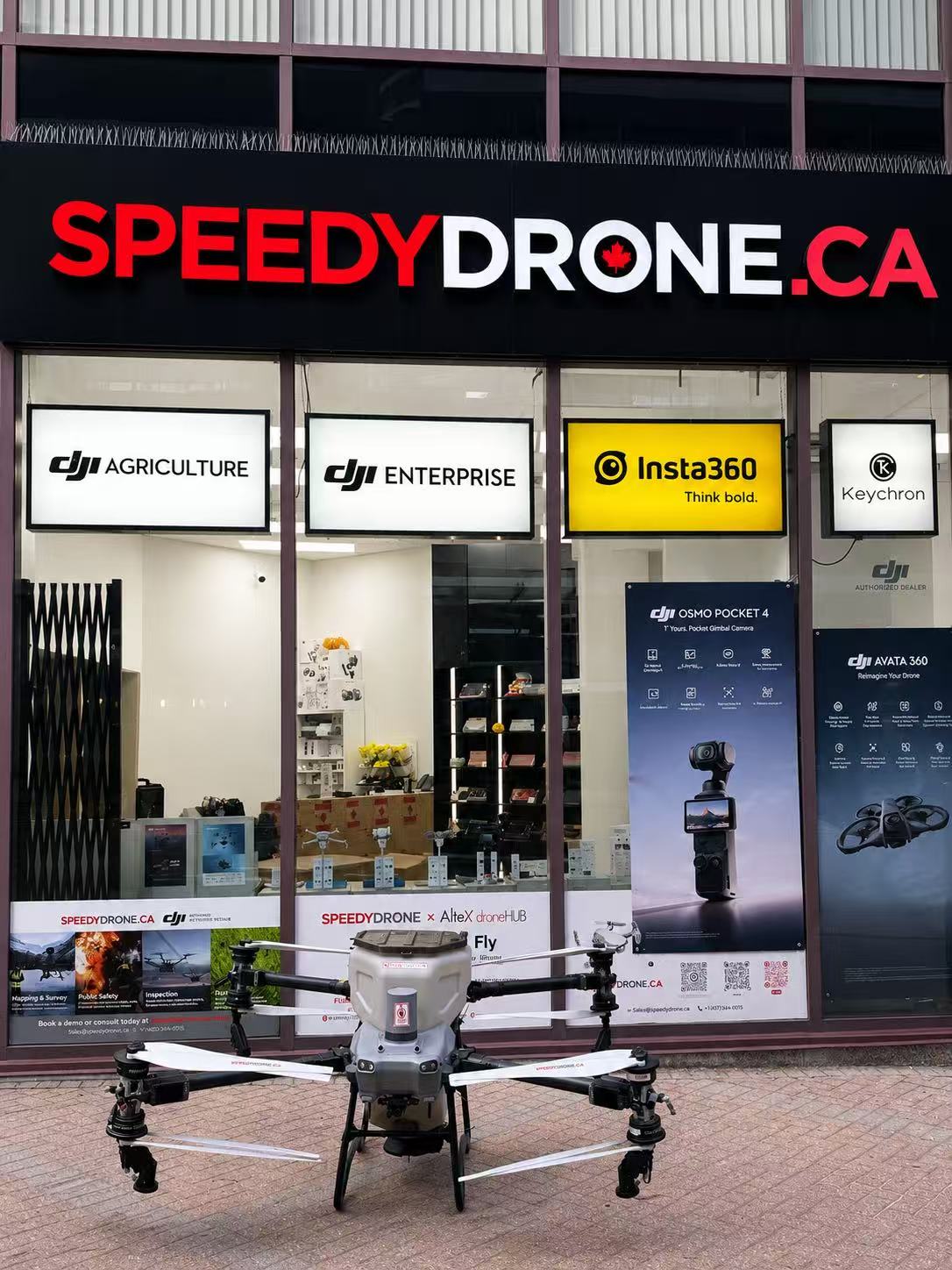
Cover Crop Seeding
Cover crop seeding. Planned around your rotation.
Your crop stage, seed and field conditions shape the plan. SpeedyDrone Canada helps you work through the equipment, calibration and ground supply for aerial broadcasting.
Start with your agronomic plan. Together, we clarify suitability, the scope of work and what to check after seeding.
- More cover areas
- Work around your rotation
- Local support across Canada
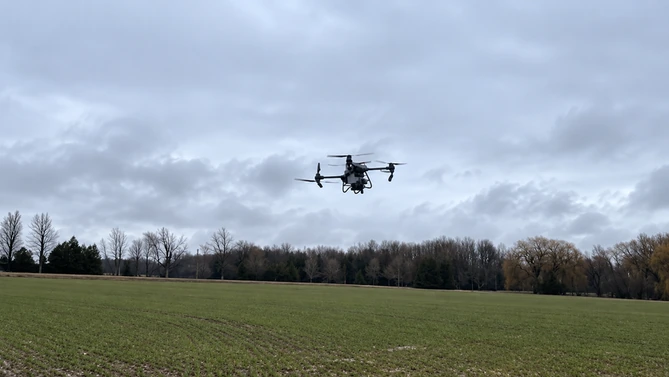
Local application in Ontario: clover cover crop seed broadcasting.
Southern Ontario field application
Wheat is still growing. Cover crop is already in the plan.
A practical example of aerial cover crop seeding into standing wheat.
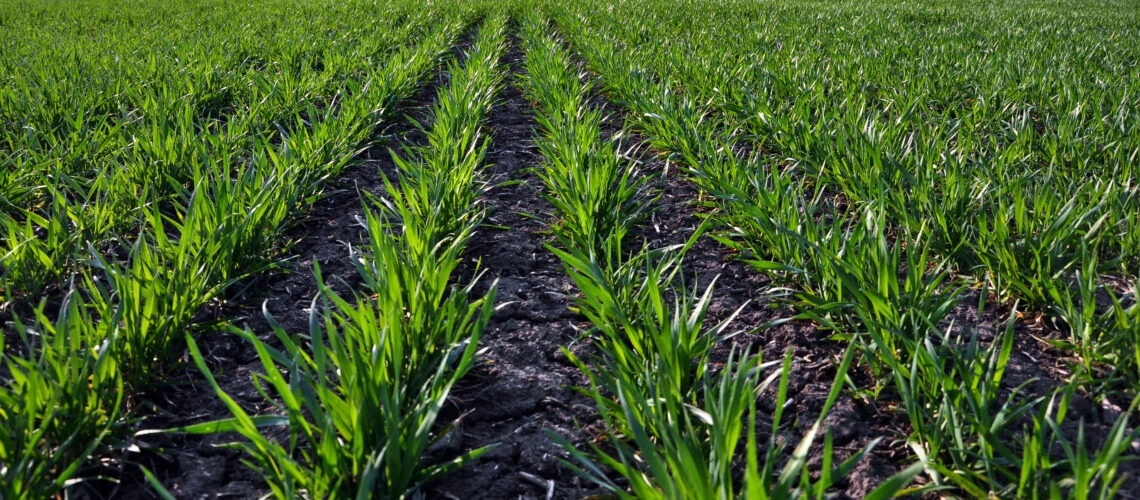
1. Winter wheat in the field
Start with the standing crop and the planned seeding window.
2. Drone broadcasts clover seed
Broadcast seed over the crop within the existing rotation.
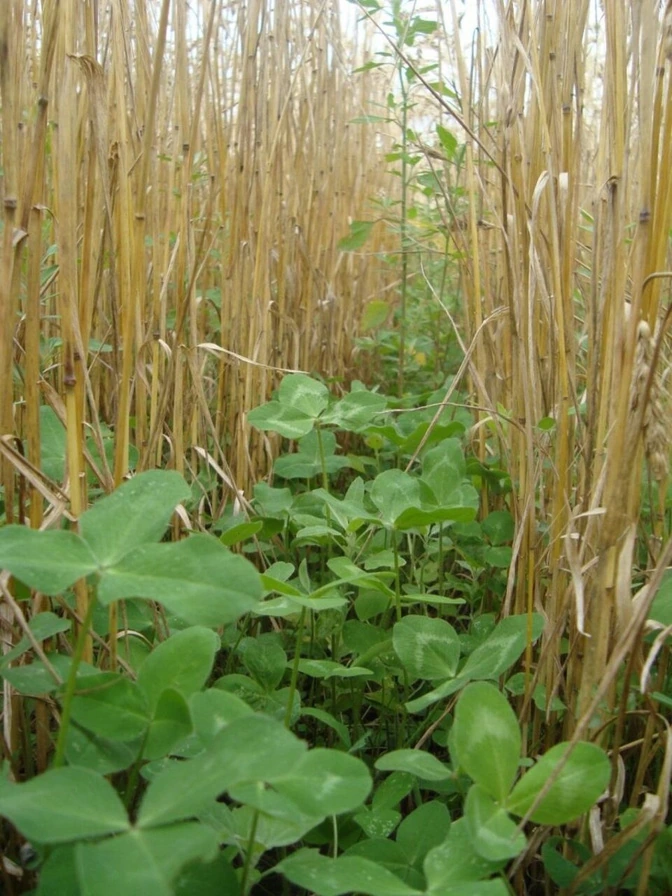
3. Cover crop continues after harvest
Follow the agronomic plan for continued growth and ground checks.
Make the right call
Is aerial cover crop seeding the right fit?
Start with your crop, timing and field conditions. Then assess how aerial broadcasting fits the plan.
Standing crop timing
Bring the cover crop into the plan while the main crop is still growing. Confirm the crop stage and seeding window first.
Ground access limitations
Consider aerial access when ground equipment cannot enter as planned. Soil and growing conditions still need to suit the task.
Seed and management plan
Review seed, residue, soil contact and follow-up management. Assess other crops and post-harvest tasks separately.
Aerial broadcasting places seed on the field surface. It does not open a furrow, control planting depth or cover seed with soil.
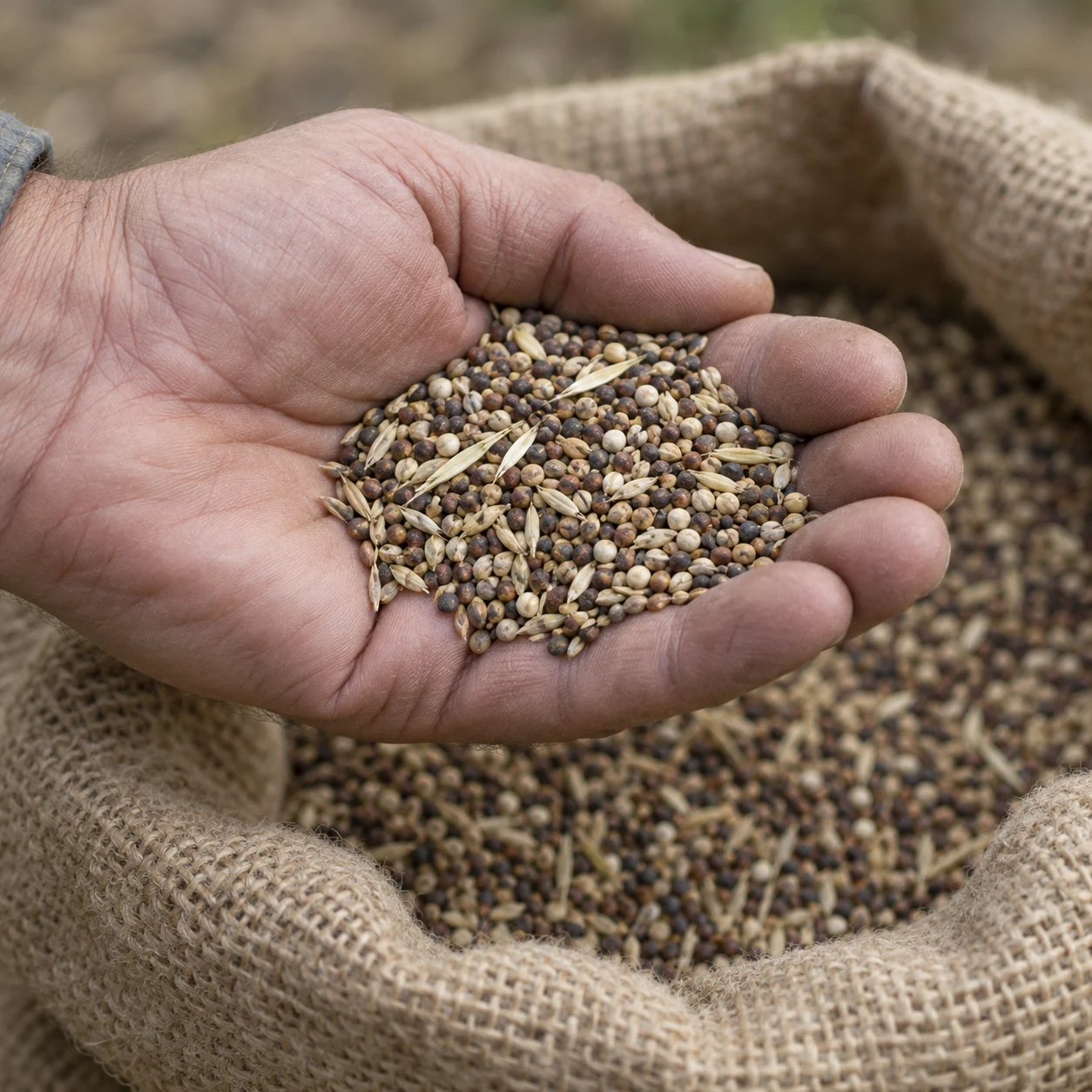
Small seeds. Big possibilities.
Technical considerations
Seed fit, rate and distribution.
Assess the seed and calibrate the setup to work toward consistent distribution. Check the rate and spread separately.
Seed fit
Check the label, species, lot, coating and mixture composition. Blends may need separate loading and discharge checks.
Rate & distribution
Calibrate discharge to the agreed target rate, then check distribution across the working width.
Establishment follow-up
Return to the field to observe emergence and cover. Flight tracks do not measure establishment.
The T50 offers a small hopper gate for low-rate seed tasks. Confirm the outlet, working width and flight spacing for the material and distribution requirements.
Flight position, seed distribution and establishment are different information. A flight path does not measure the other two.
Our process
From agronomic plan to executable seeding task.
Confirm the task, prepare the setup and agree on what to check afterwards.
Confirm agronomic objective
Clarify the crop, cover crop purpose and timing.
Confirm seed and field conditions
Check seed information, field conditions and access.
Confirm seeding setup
Plan settings, rate calibration and distribution checks.
Execute and record
Carry out the agreed task and record exceptions.
Check establishment
Observe emergence, cover and areas to revisit.
You and your agronomic adviser confirm species, target rate and crop management; SpeedyDrone supports the agreed equipment, setup, training and deployment.
Field work, checks and follow-up are included only as agreed in the project scope.
On the ground
Configured equipment. Ground support. Local delivery.
Build around your seed, fields and existing equipment, with support matched to the task.
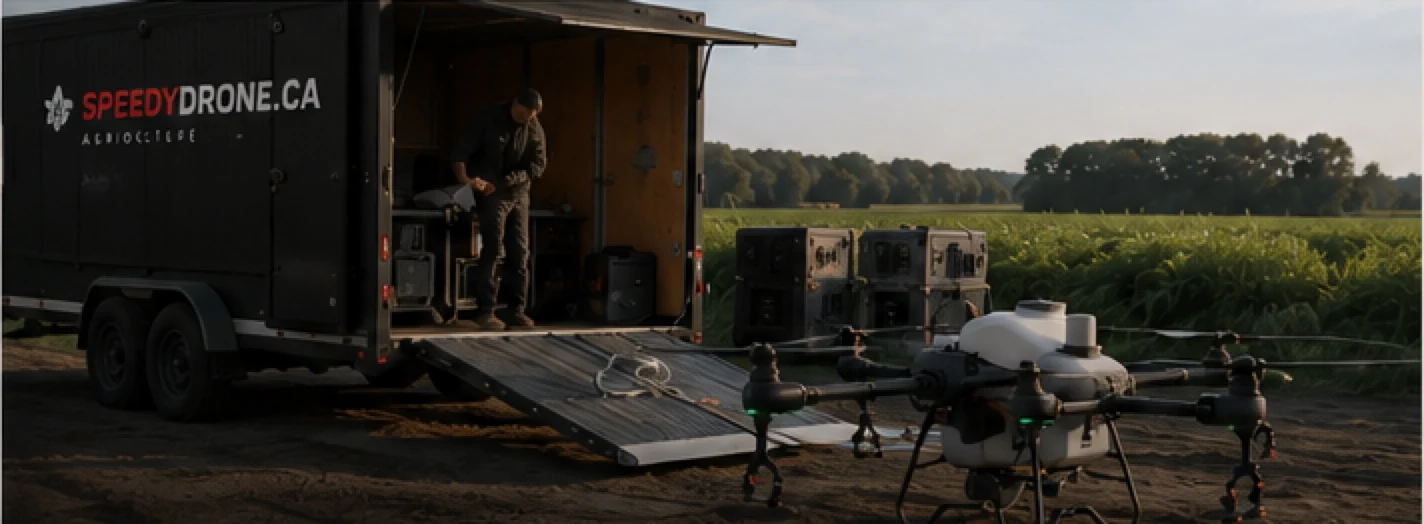
Seeding equipment
Match the aircraft and spreading system to the task. Explore T50 or assess T100 separately.
Ground refill and battery rotation
Plan seed weighing, batch loading, charging and batteries ready for the next flight.
Deployment and training
Prepare the setup, crew roles and operating workflow before field work begins.
Technical support
Agree on calibration, distribution checks, task records and ongoing support.
Keep track. See the results.
Record the task. Check the establishment.
Operation records explain what was done. Ground checks show what happens next.
Task records
- Field, task date and weather conditions
- Seed name, lot and label information
- Target rate, equipment settings and available weight records
- Flight tracks and task notes
- Exceptions and actions taken
Establishment checks
- Check date and observation locations
- Stand uniformity and sparse areas
- Ground photos and field observations
- Management actions and questions
- Next check and follow-up arrangements
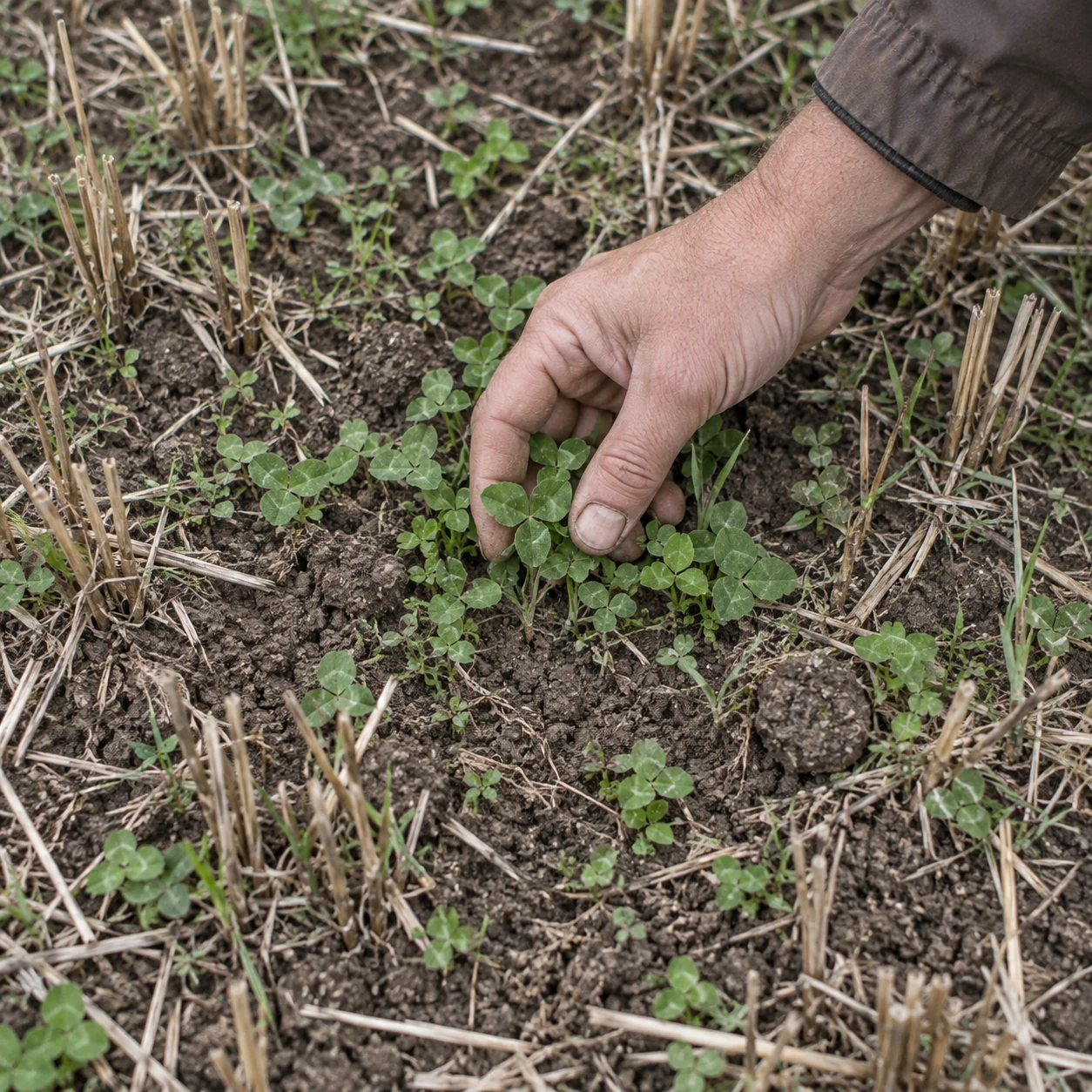
Follow the seed. Check the growth.
Identify measured, equipment-recorded, customer-provided and estimated information by source.
The local application does not establish measured emergence, cover, yield or financial returns.
What to clarify before the next step.
Further reading
Ontario cover crop planning guidanceCan every cover crop seed use the same setup?
No. Share the specific seed and material information first. Equipment suitability, discharge and calibration depend on the material. DJI specifies suitable dry particle sizes for the T50 spreading system and excludes powders; this does not establish compatibility with every seed.
How much seed should I apply per acre?
Confirm the agronomic target with your adviser for the crop, region and plan. Share that recommendation, including its unit, or select “Not yet determined.” We discuss the equipment discharge setting separately from the agronomic target rate.
Can this replace a ground seeder?
We first compare the task that needs to be completed. Aerial broadcasting does not create a furrow or control seed depth. Where placement, seed-to-soil contact or subsequent treatment is essential, assess the method against your agronomic plan.
Can you guarantee emergence and cover?
Equipment settings and operation records can be checked. Emergence and cover still depend on field conditions and must be observed afterwards. We agree on the verification scope without treating flight completion as an agronomic result.
Plan your operation
Tell us where you want to establish a cover crop.
You do not need to choose a drone first. Start with your existing crop, intended seed and field conditions. We can then discuss suitability, equipment and implementation.
Seed variety, target rate and equipment can remain to be determined. Seed labels, mixture details and field documents can follow after the first conversation.
- Receive your brief
- Discuss suitability
- Confirm configuration & scope
- Prepare a quote