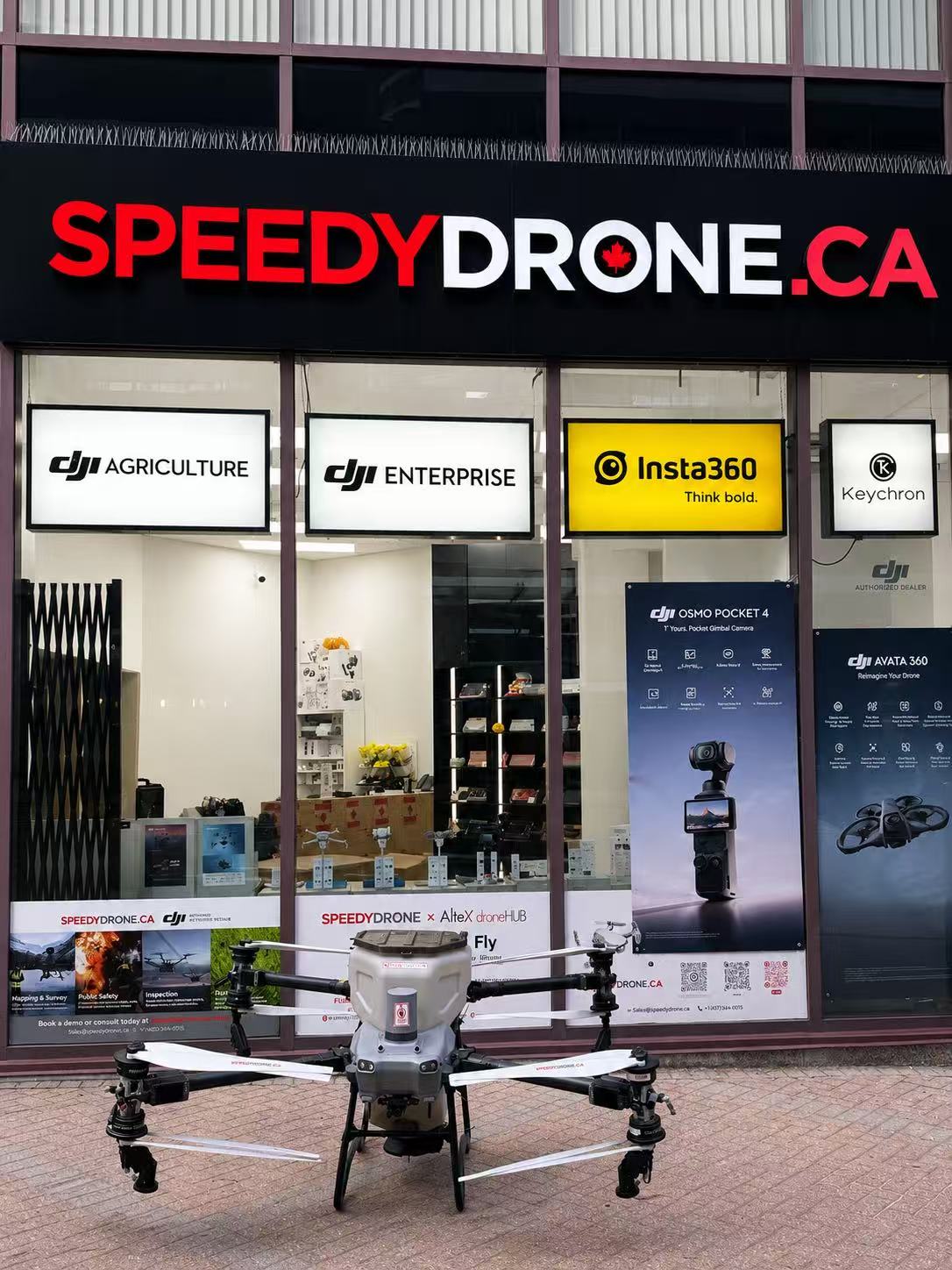
Granular Fertilizer Spreading
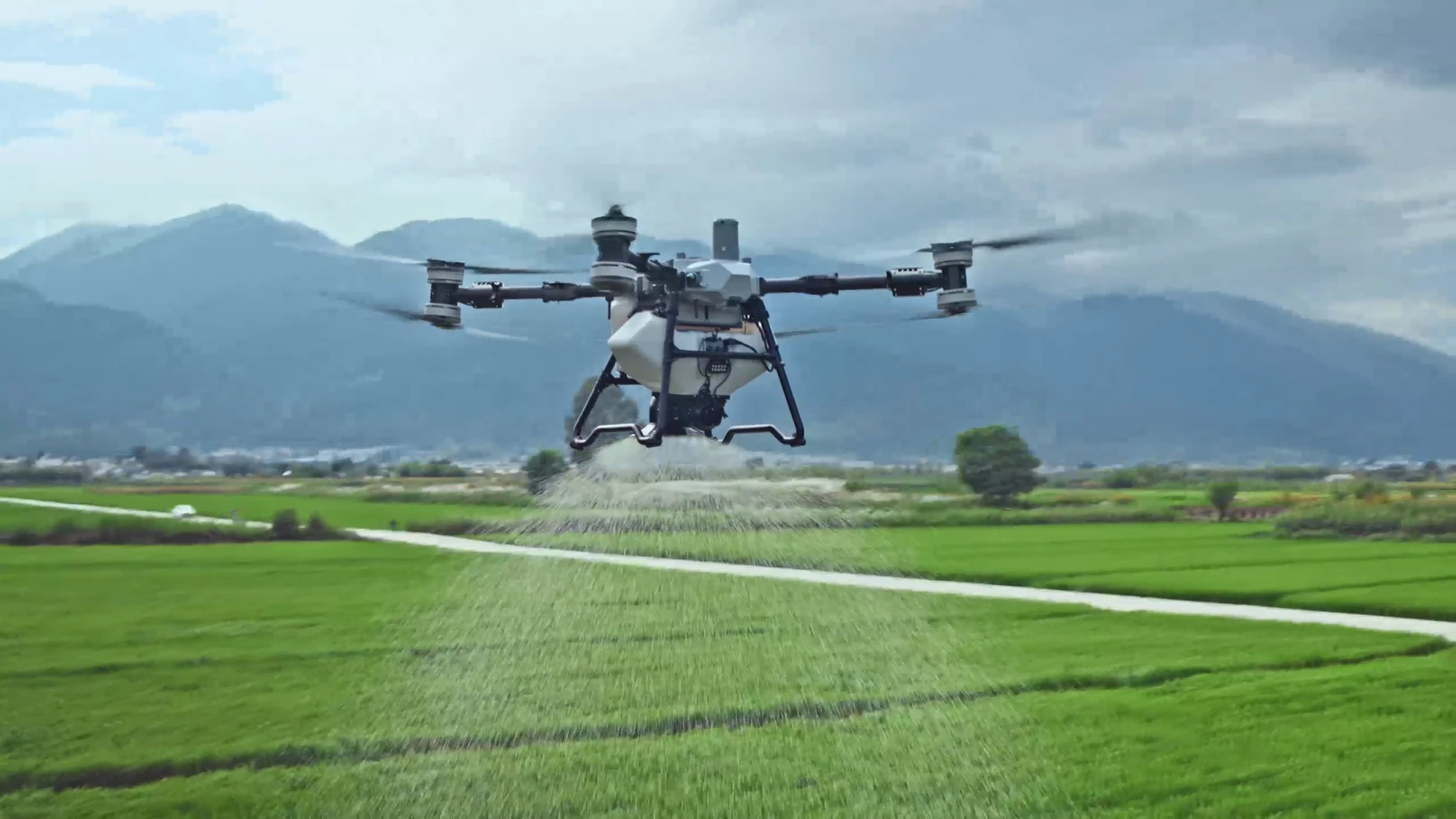
Granular fertilizer spreading. Planned for your field.
For selected areas, dispersed fields and tasks with limited ground access, SpeedyDrone Canada helps you assess the spreading equipment, material fit, operating setup and field supply around your confirmed fertilizer requirements.
- Field boundaries
- Product application rate
- Spreading checks
- Field supply
Suitable tasks
Assess the target area, crop conditions and ground access against your fertilizer plan.
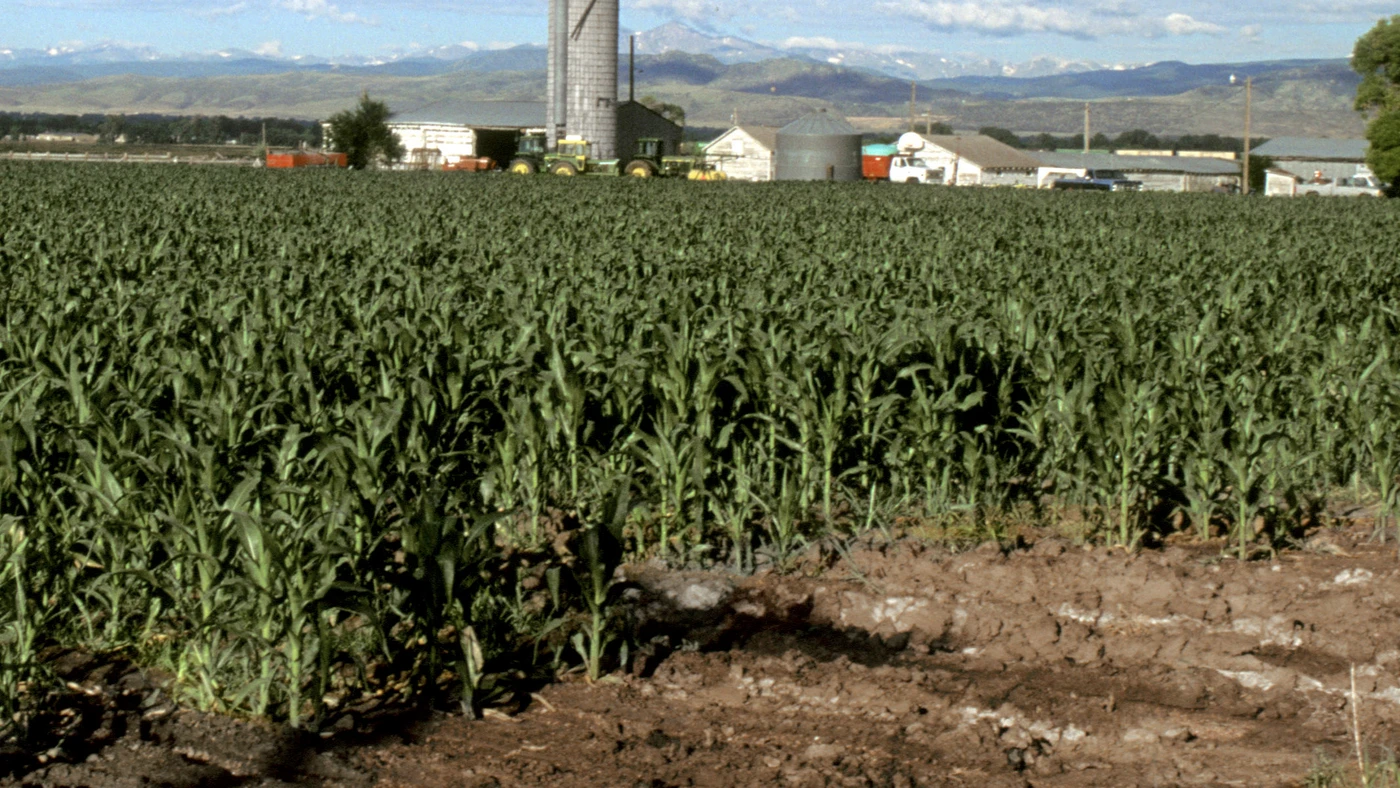
Selected-area application
For areas identified in your fertilizer plan. Confirm the boundaries and product rate before choosing equipment.
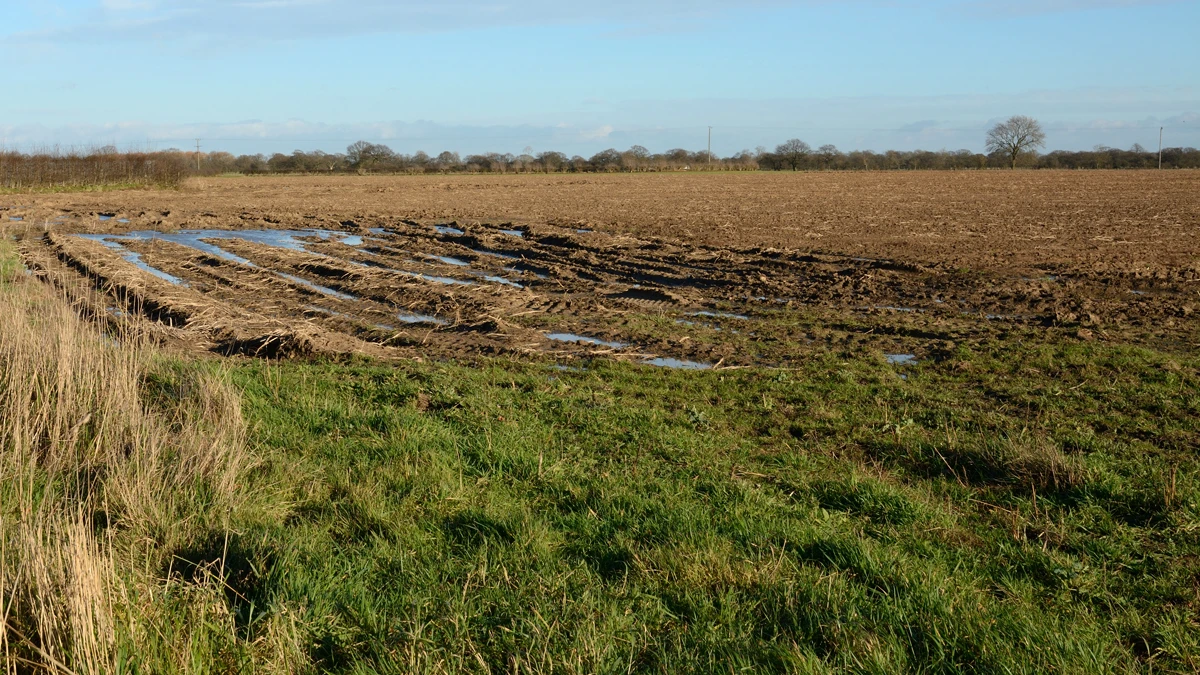
Ground-access constraints
Assess aerial spreading where ground access is limited, subject to agronomic, weather and site conditions.
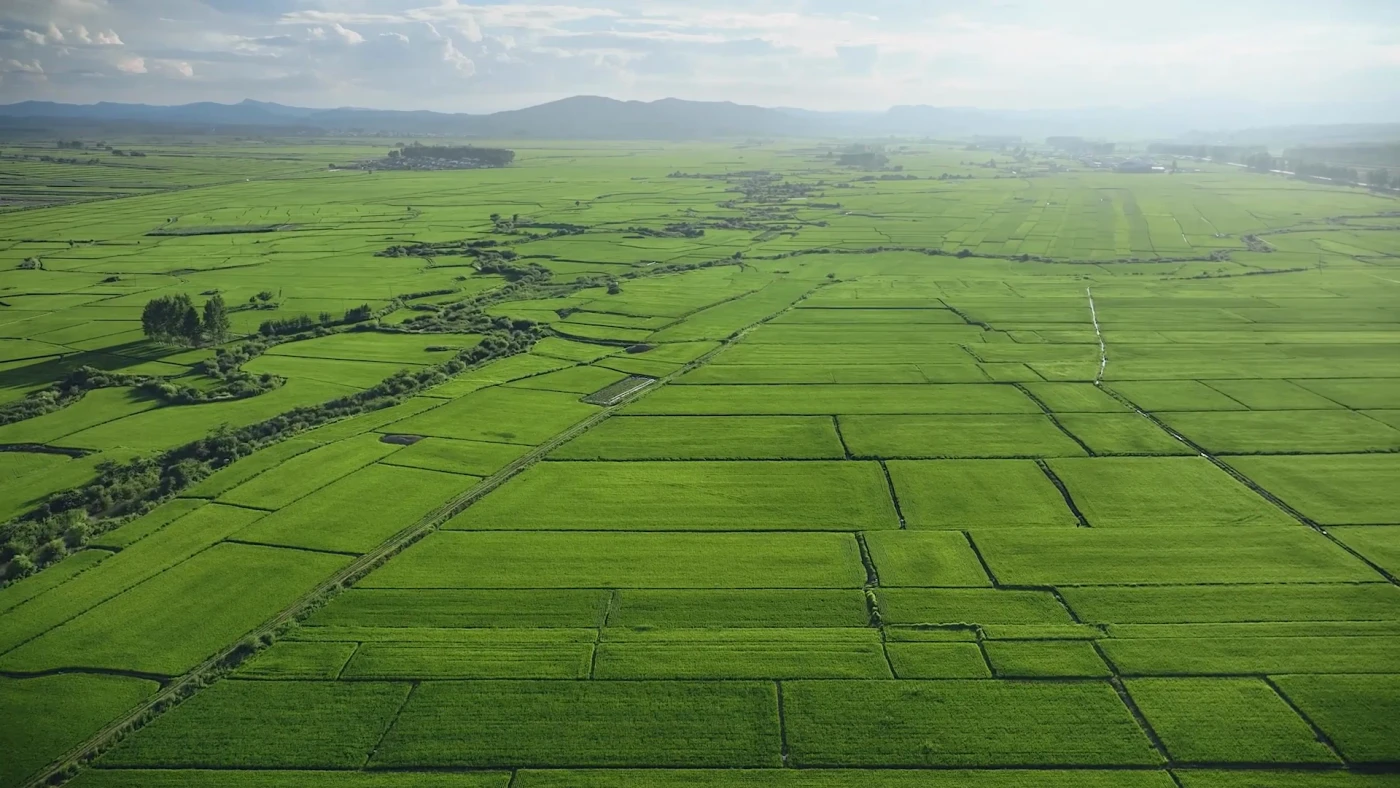
Dispersed field sections
Plan smaller, separate areas together with travel, loading, replenishment and total product quantity.
Fertilizer & task confirmation
Confirm the product, area, product rate and timing before setting up the equipment.
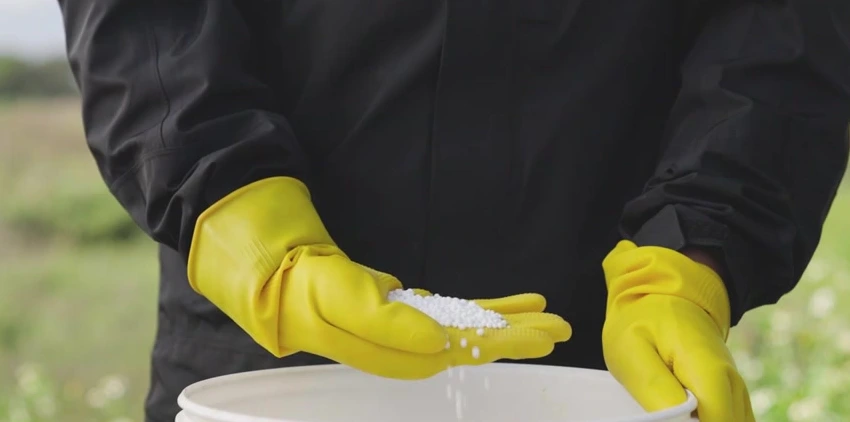
Product & granules
Confirm the product name, label, particle size and condition, and any compatibility checks needed.
Application area
Define the actual application area, boundaries, exclusions and site constraints.
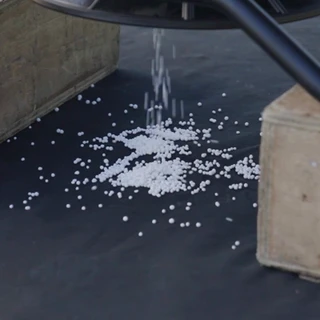
Product application rate
Confirm product weight per unit area. You can enquire while the rate is still undecided.
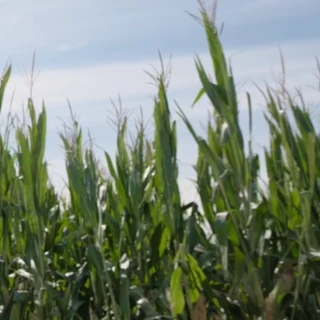
Agronomy & timing
Check crop stage, timing and whether surface broadcasting suits the agreed method.
DJI specifies 0.5-5 mm dry granules for the T50 spreading system and excludes powders. Damp or clumped material is not assumed suitable. T100 material compatibility depends on its feeder configuration.
Product weight is not nutrient weight.
Use kg of fertilizer product/ha or lb of fertilizer product/ac. A recommendation in kg N/ha is a nutrient requirement; it is not the product weight to load. Keep the value and its unit together.
You and your agronomic adviser confirm the fertilizer product, nutrient requirement and timing. SpeedyDrone assesses equipment and execution around those confirmed requirements.
Spreading workflow
Connect the field, material, rate, operating settings and ground supply before work begins.
 01
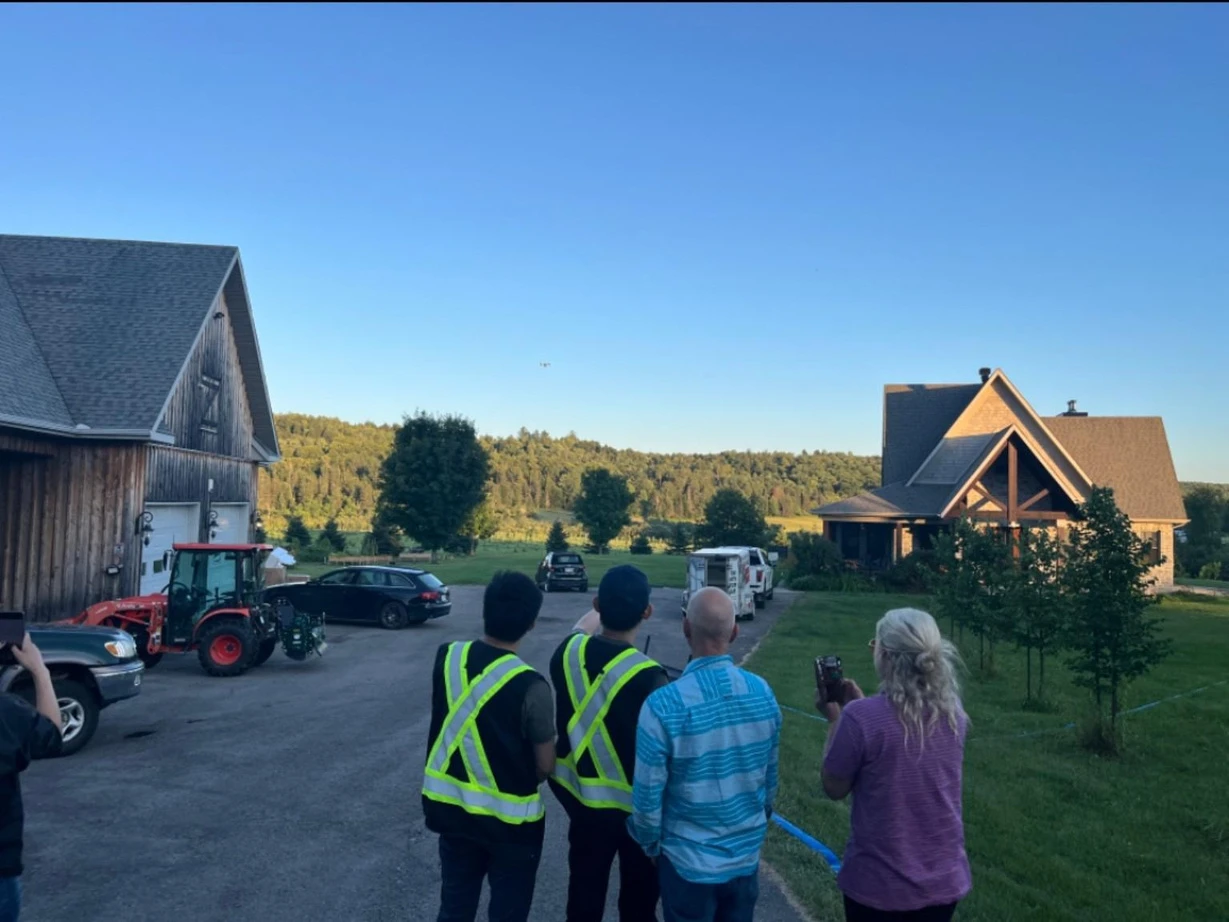
01Confirm the field & task
Agree on the actual application area, product rate, operating window and areas to avoid.
 02
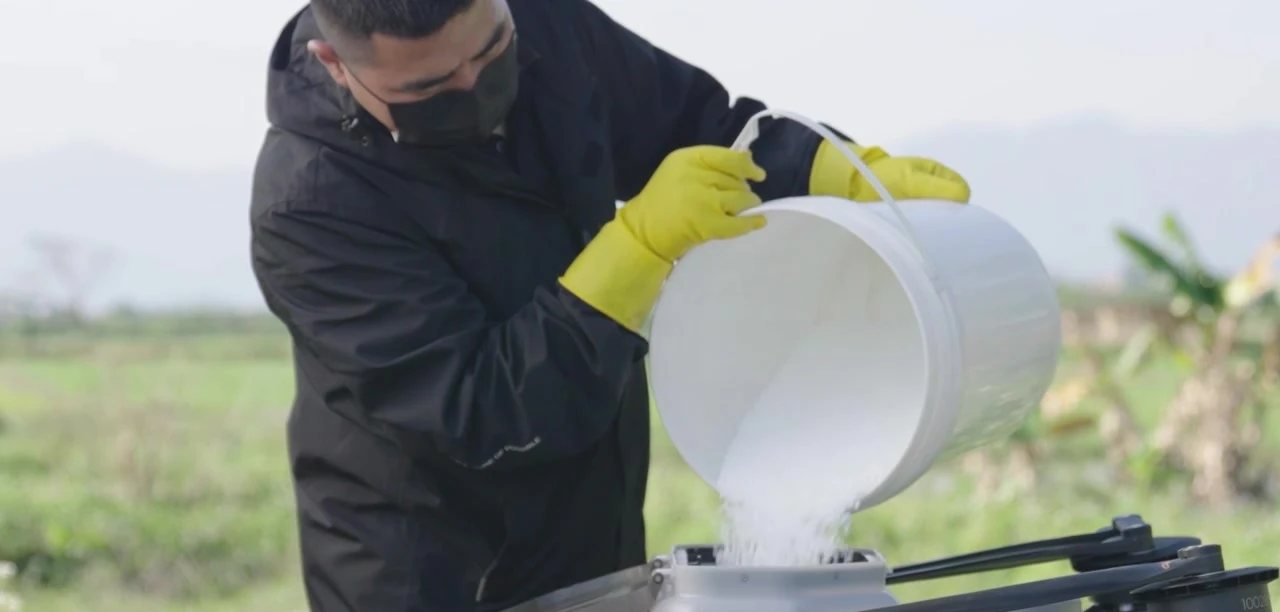
02Check material & equipment
Match the specific fertilizer to the spreading system, feeder components and material requirements.
 03
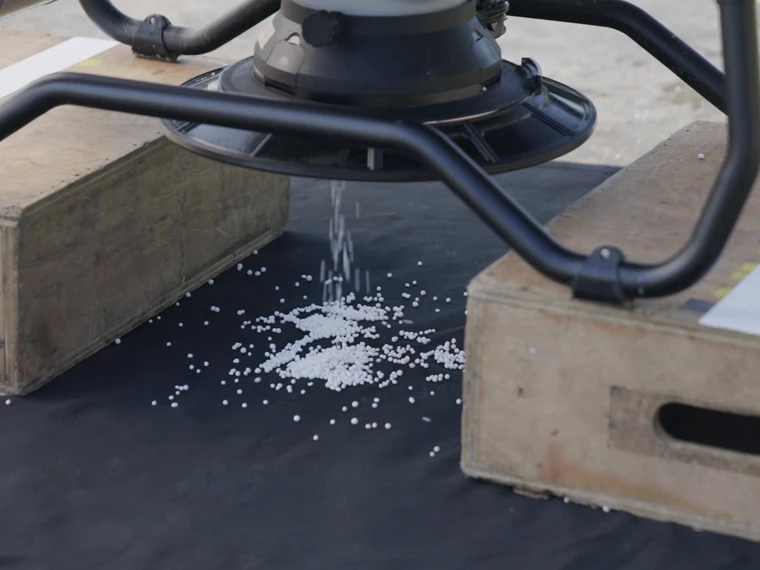
03Calibrate & check the spread
Review weighing, flow and material settings, then check the working width and pass arrangement for the task.
 04
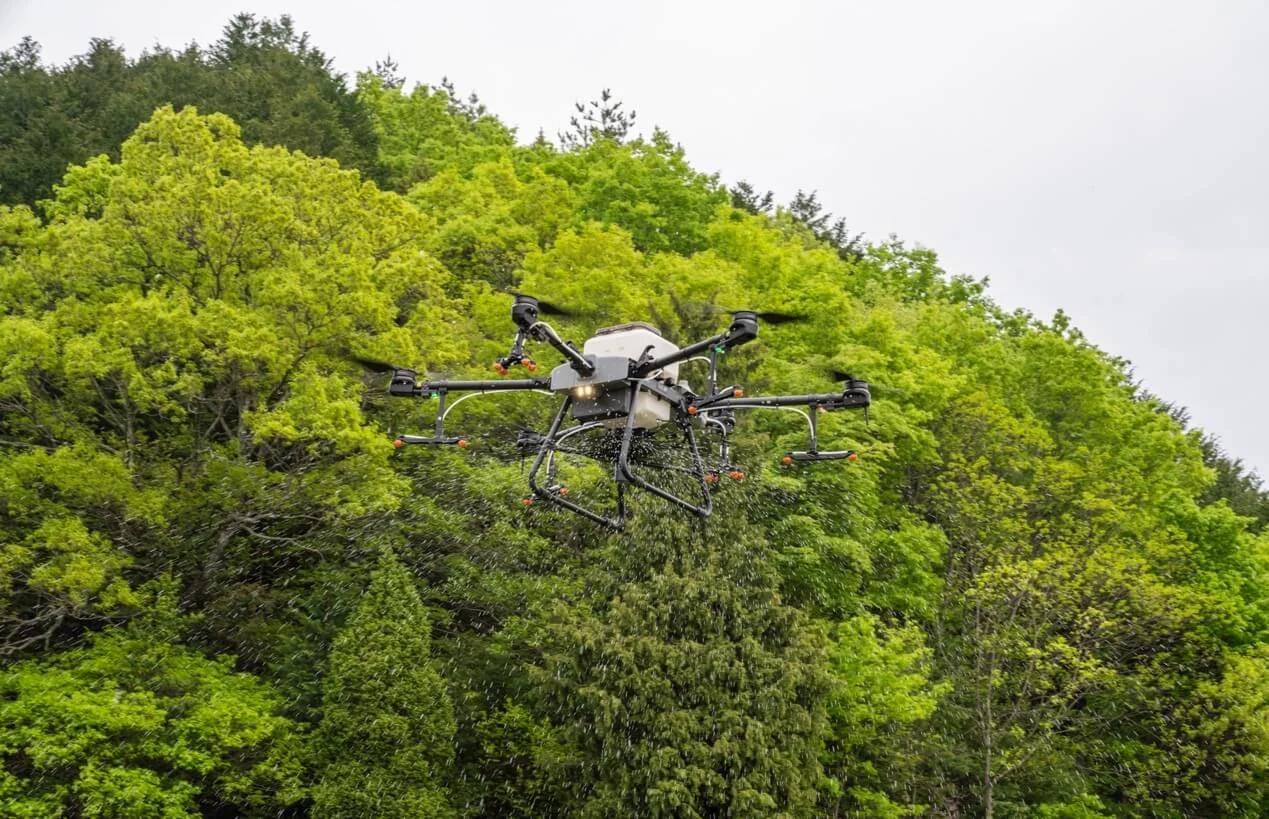
04Apply & replenish
Carry out the agreed task with loading, battery rotation and operation resumption built into the field plan.
 05
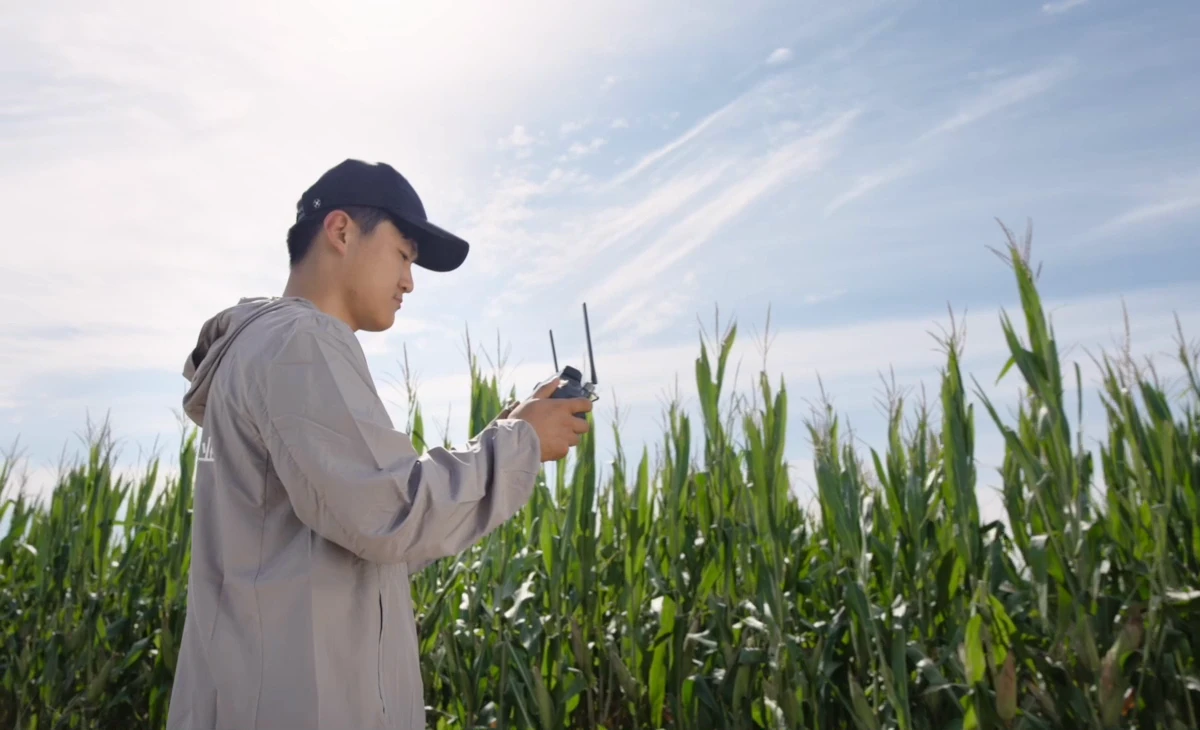
05Record & review
Keep the application area, product quantities, completion record and exceptions together. Identify any follow-up checks.
Rate & distribution checks
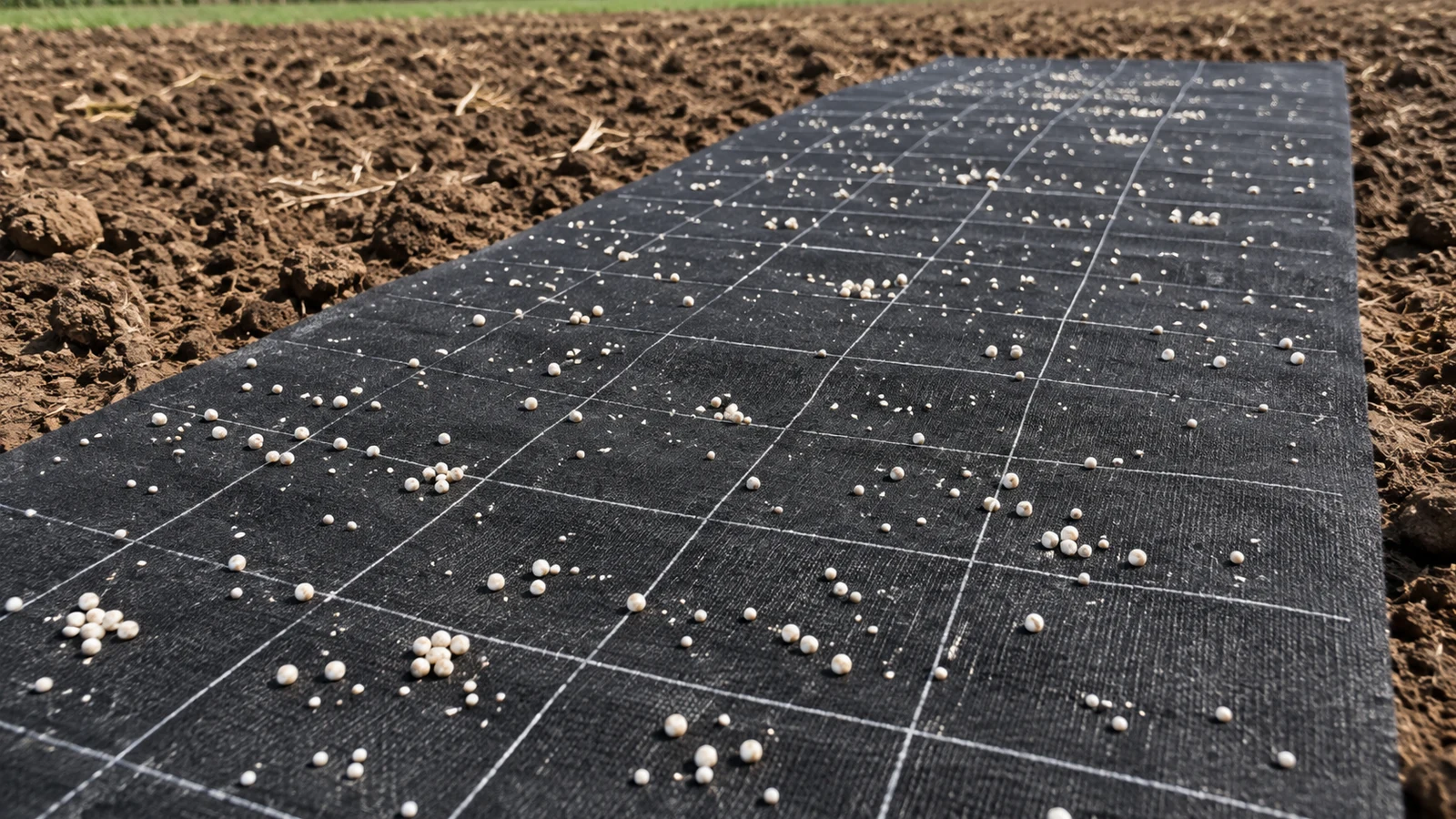
Check the rate. Verify the pattern.
Check product quantity and ground distribution separately.
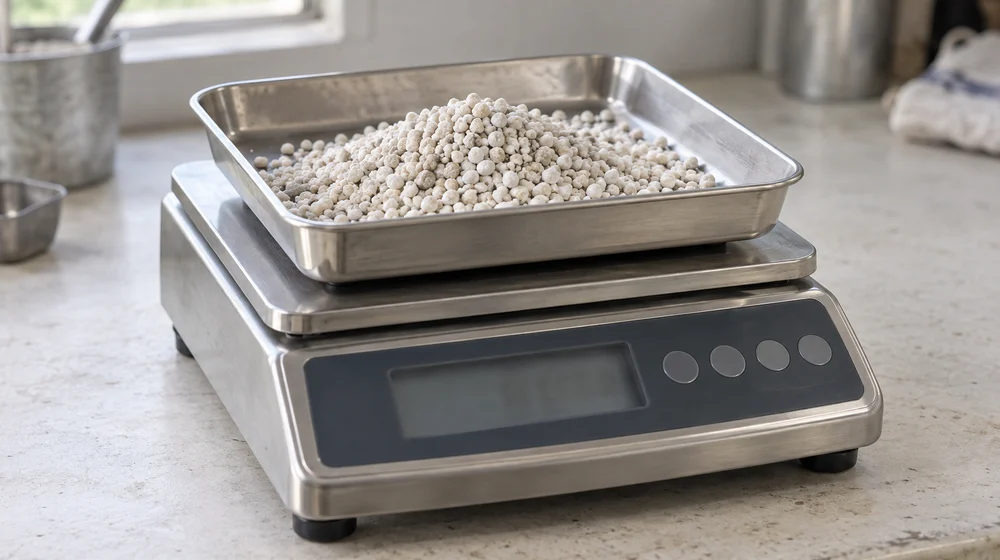
Rate check
Weigh collected material and review product quantities against the planned application rate.
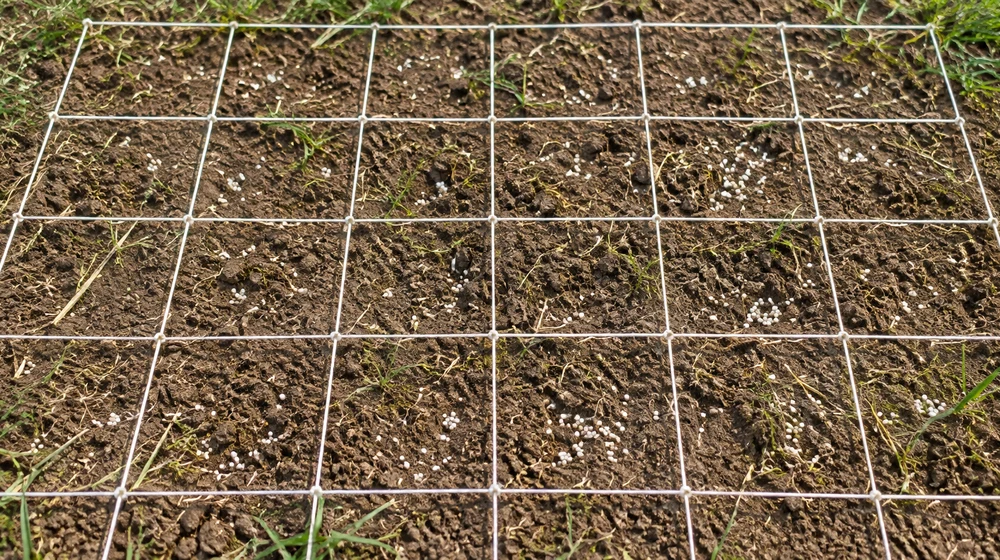
Pattern check
Inspect collection samples across the working width, adjoining passes and field boundaries.
About these checks
Granule size, spinner speed, outlet opening and flight height affect spread range. A published spreading width is not a fixed pass spacing for every product and condition.
RTK describes aircraft positioning. Rate records and flight tracks do not measure where each granule landed or demonstrate nutrient uptake, fertilizer savings or yield.
Equipment selection
Choose the aircraft, granular system and field support around your confirmed product and task.
Core execution setup
A confirmed fertilizer plan, a suitable Agras aircraft and granular system, plus field supply and crew arrangements.
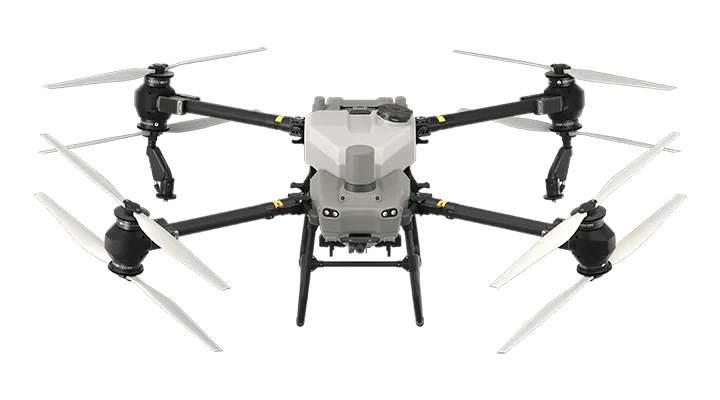
DJI Agras T50
Assess the material, intended rate, actual load, replenishment and transport requirements together.
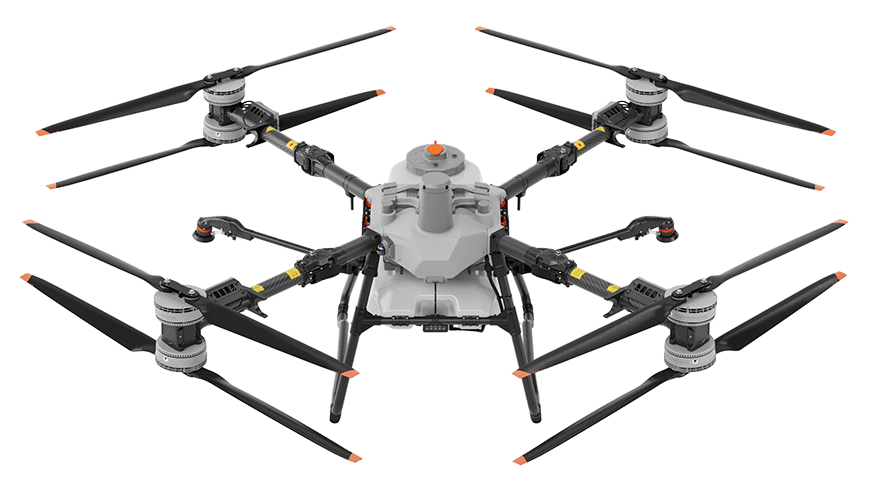
DJI Agras T100
Assess its feeder configuration and field support against the product and total task requirements.
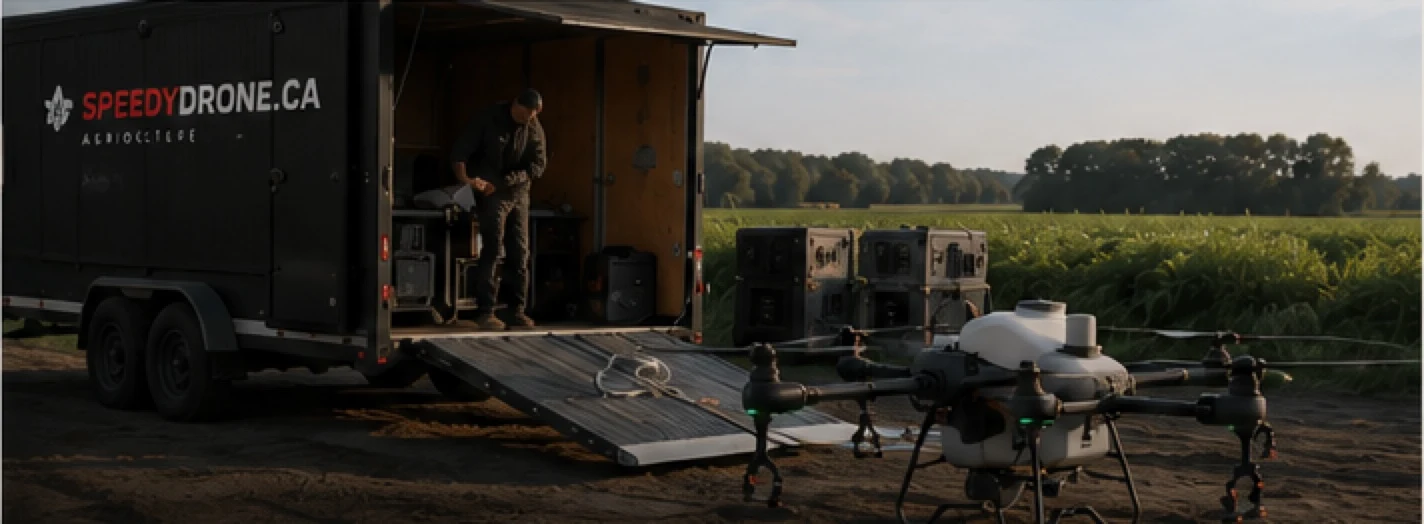
From material assessment to field deployment.
Clarify the task, then agree on equipment, field preparation, training and support.

Task & material fit
Confirm target areas, product information, application needs and remaining checks.

Equipment & preparation
Plan the aircraft, spreading system, material settings, calibration and field checks.

Field supply & training
Organize storage, loading, battery rotation, crew roles and equipment handover.

Records & technical support
Agree on operation records, issue handling, maintenance and follow-up support.
Field testing, training and other services are included only as agreed in the project scope and quotation.
- Prepare fertilizer
- Load in batches
- Coordinate batteries & loading
- Manage leftovers & cleaning
Frequently asked questions
Can a drone replace my existing spreader?
Start by assessing selected-area applications, dispersed fields and ground-access constraints. Compare the specific work, existing equipment and field supply before deciding how a drone fits.
Can every granular fertilizer be used?
No. Check the specific product against the spreading system and feeder requirements. Material assessment and field checks may be needed; “granular fertilizer” alone does not establish compatibility.
Do I need a Mavic 3M and SmartFarm?
If the field and application requirements are known, assess the execution setup first. Additional data equipment and software can be discussed for observation, zone analysis or a prescription workflow.
Can you give a fixed work rate, fertilizer saving or yield result?
Payload and discharge capacity do not establish those outcomes. Actual productivity and agronomic results require relevant records. Start with the task conditions, setup and verification plan.
Equipment & agronomy references
- DJI T50 · Material compatibility & support
- DJI T50/T25 · Spreading system user guide
- DJI T100 · Configuration & material compatibility
- Ontario · Nutrient application & the 4Rs
Confirm flight requirements, the fertilizer product and local task conditions separately.
Tell us where you plan to apply which product.
You do not need to choose a drone first. Share your crop, actual application area, fertilizer product and planned window so we can discuss suitability, equipment and field preparation.
Product, rate or timing can remain to be confirmed. We will use your task information to clarify the material, operating conditions and configuration scope.
- Receive your brief
- Discuss suitability
- Confirm configuration & scope
- Prepare a quote