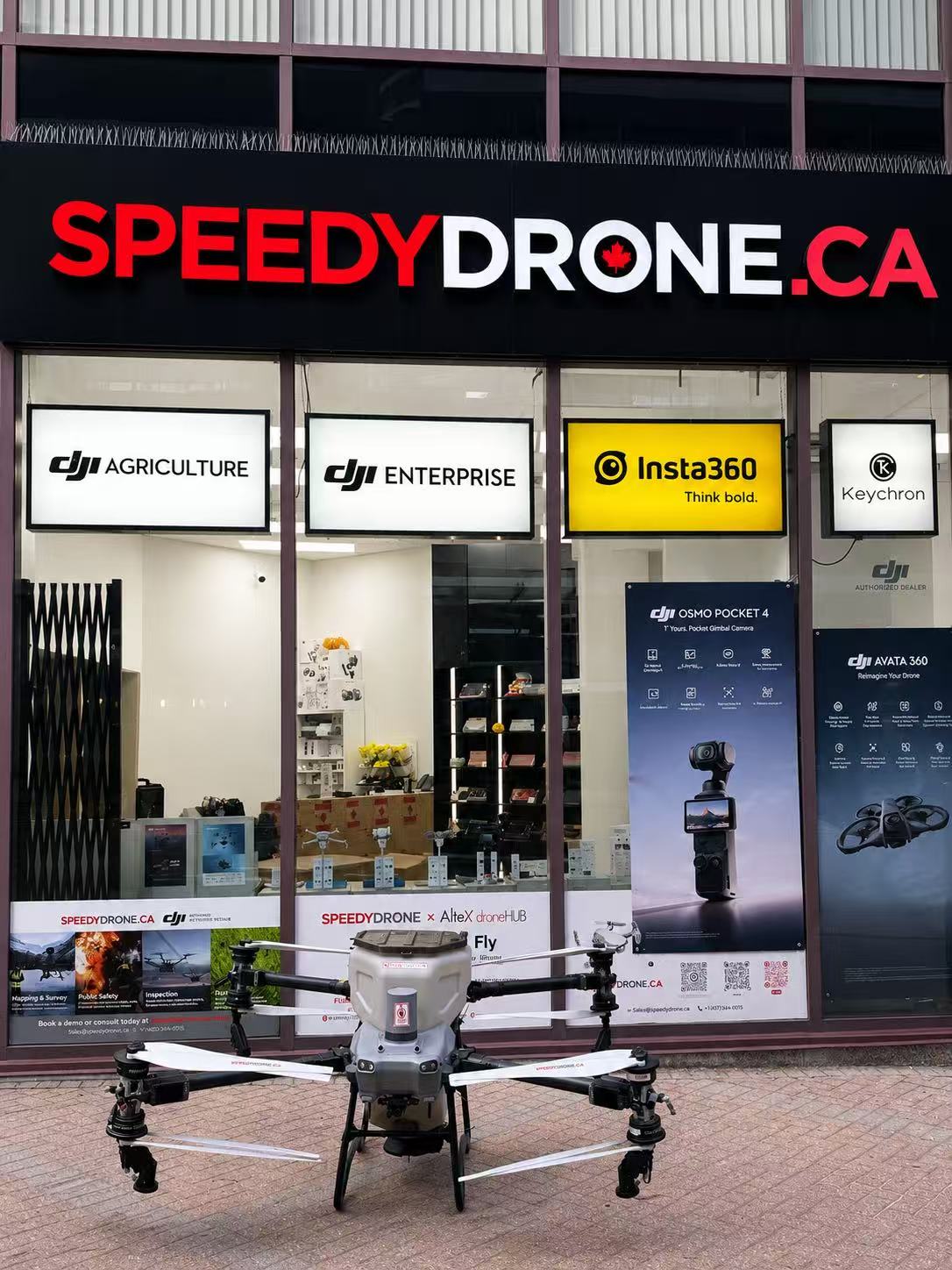
DJI manufacturer imagery. Reference configuration shown.
SPEEDYDRONE AGRICULTURE · CANADA
DJI AGRAS T100
High-capacity spraying and spreading.
Configured around your operation.
Plan the aircraft, application system, field power and support around your crops, materials and operating conditions.
Canadian configuration, availability and operating requirements are confirmed for each inquiry.
- Spray tank
- 100L
- Spreading hopper
- 150L
- Assisted environmental sensing
- LiDAR+ vision + millimetre-wave radar
Maximum material load 100 kg
Configurations & conditions
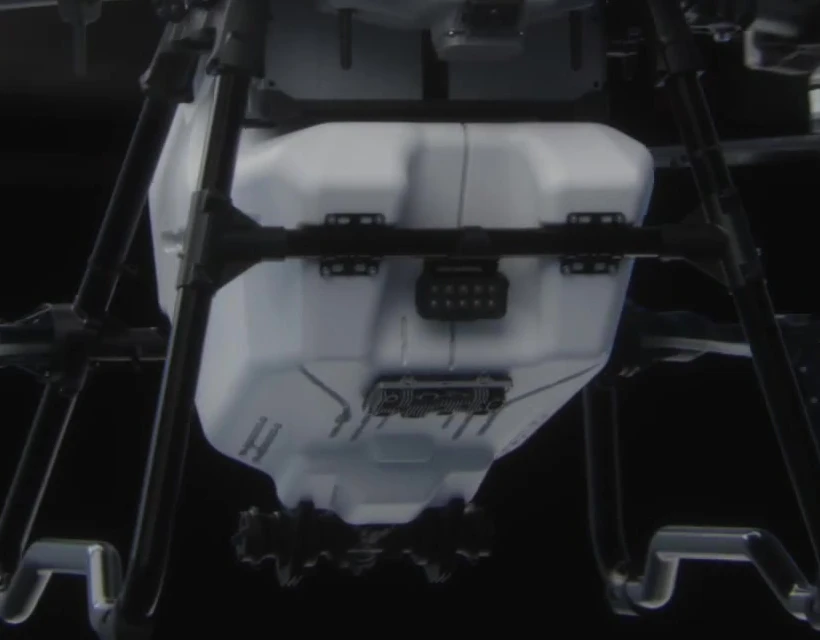
The 100 L spray tank is available with different systems: LS100 has a 100 kg operating load; LS100-DB dual-battery spraying lists 90 kg. The spreading system has a 150 L hopper and a maximum 100 kg material load. Volume and weight are separate limits. Load references are based on sea-level conditions; follow the app-recommended load for the actual environment. These specifications do not establish Canadian operating approval.
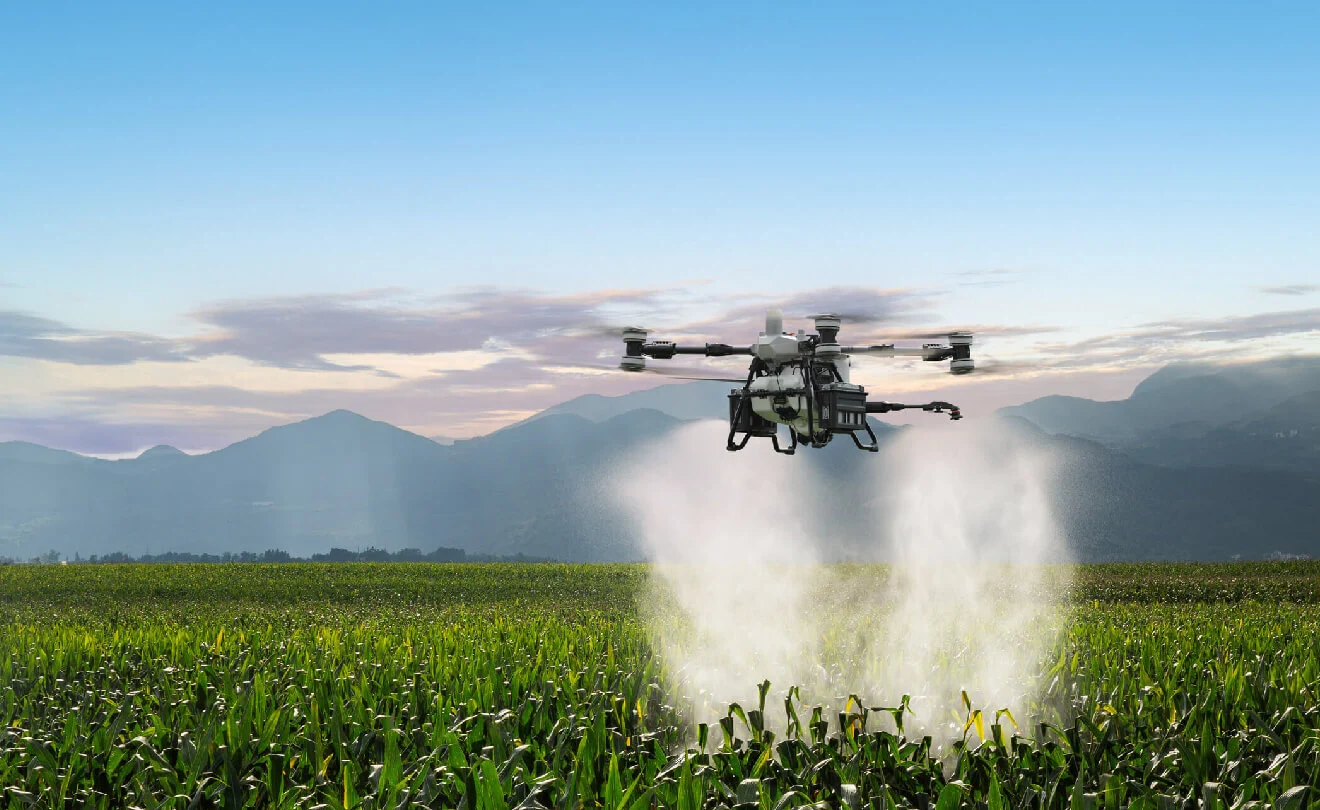
DJI specificationsDJI manufacturer footage. The aircraft and application system shown are a reference configuration.
Spraying system
Spraying, configured for the application.
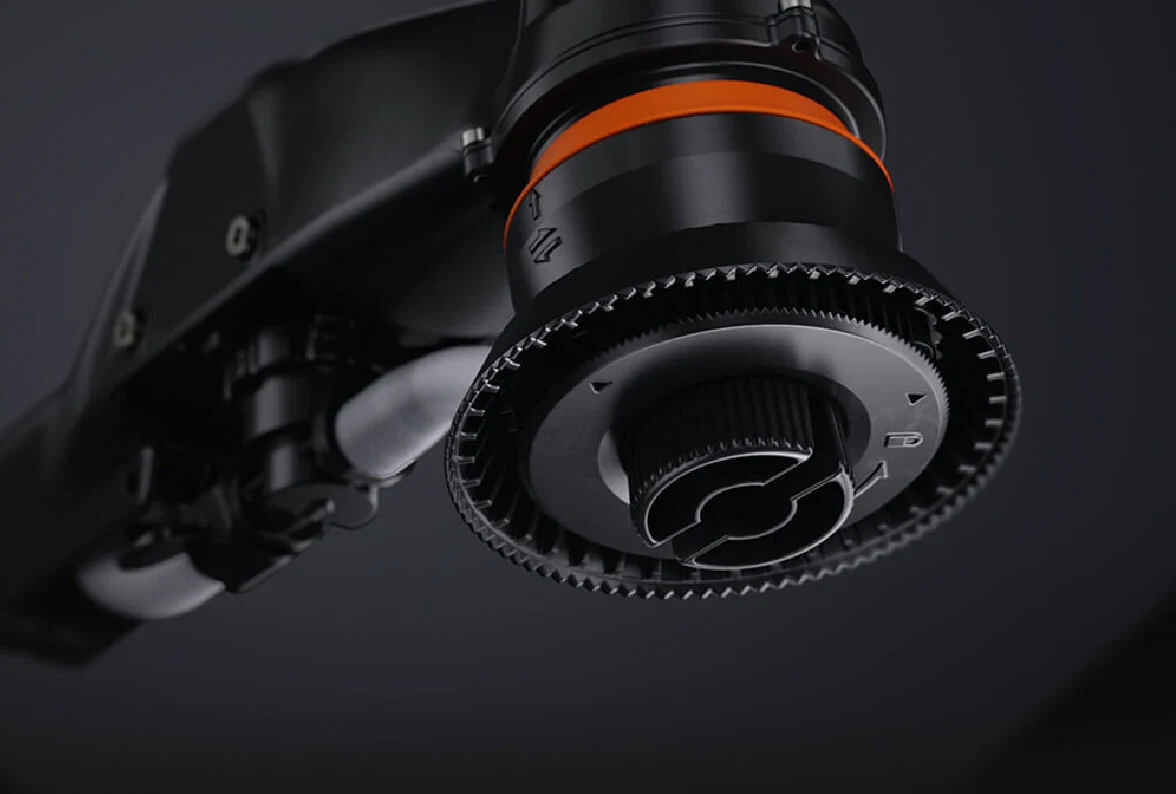
Start with what the crop and application require. Then choose the system, nozzle arrangement and field calibration.
Nozzles & spray delivery
Tank & liquid supply
Maximum flow describes a hardware limit. Your application rate, effective swath and working settings still need to be confirmed and calibrated in the field.
Explore crop sprayingDJI’s spreading demonstration. Material compatibility, feeder selection and field calibration still need to be confirmed.
Spreading system
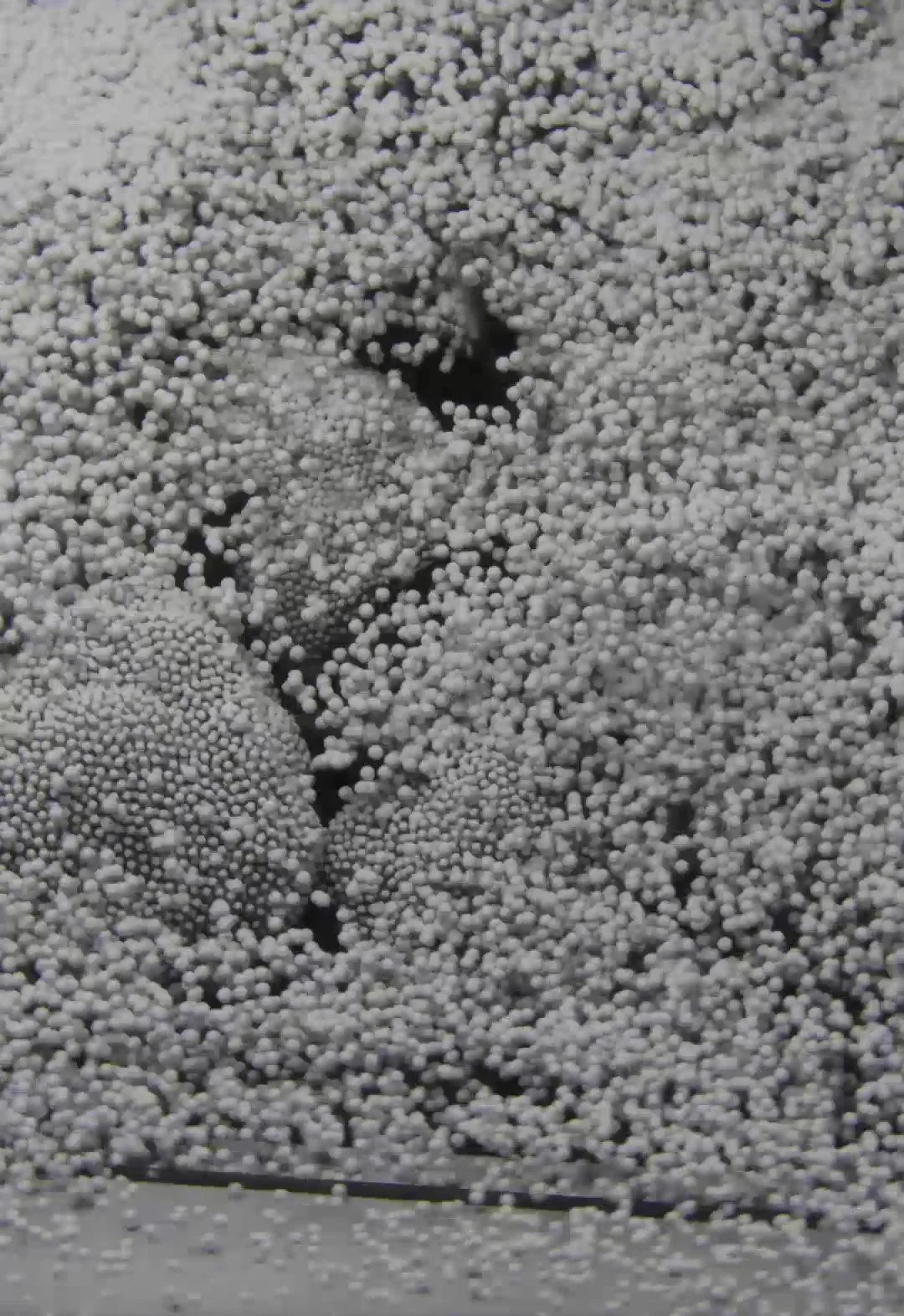
Spreading starts with the material.
Match the feeder and settings to the material, particle size and target application rate. Confirm compatibility, flow and distribution before the job.
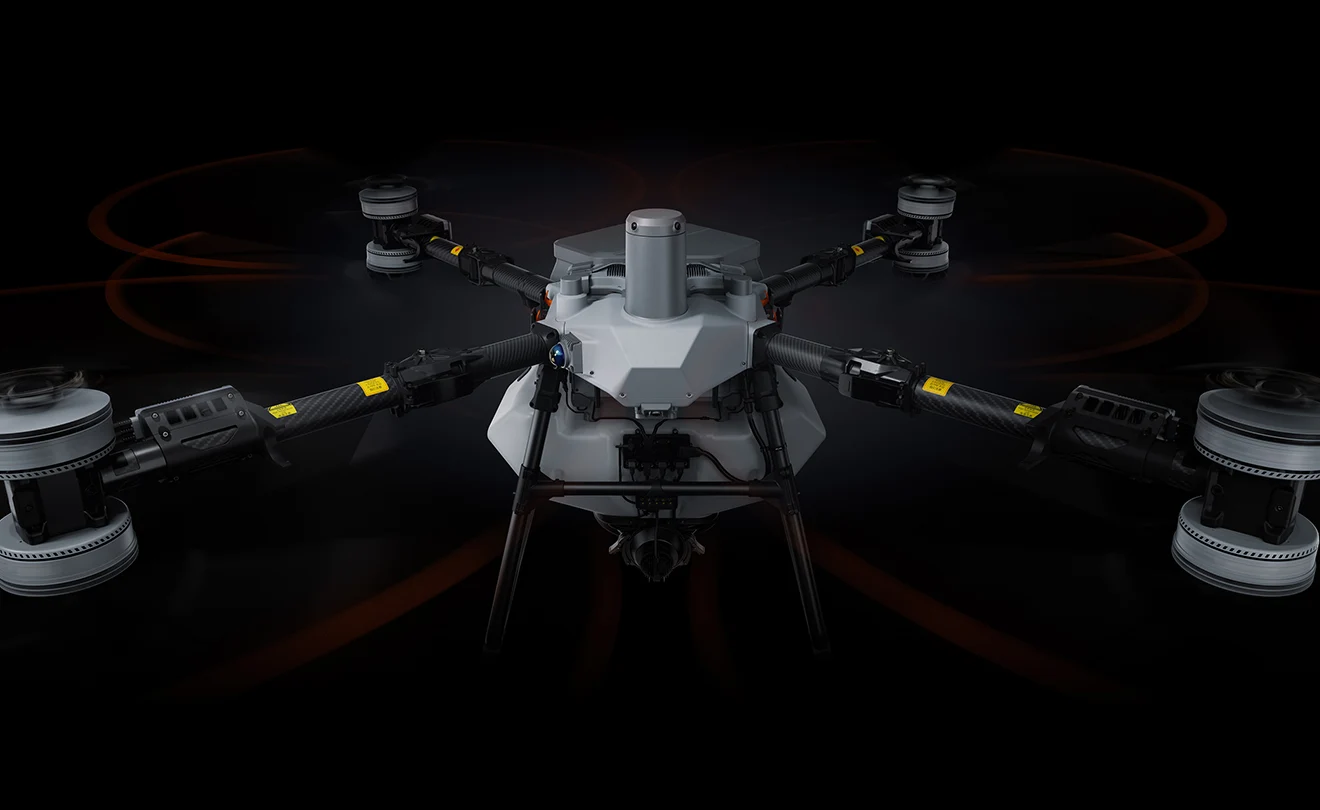
Match the feeder and settings to the material, particle size and target application rate. Confirm compatibility, flow and distribution before the job.
- Spreading hopper
- 150L
- Maximum material load
- 100kg
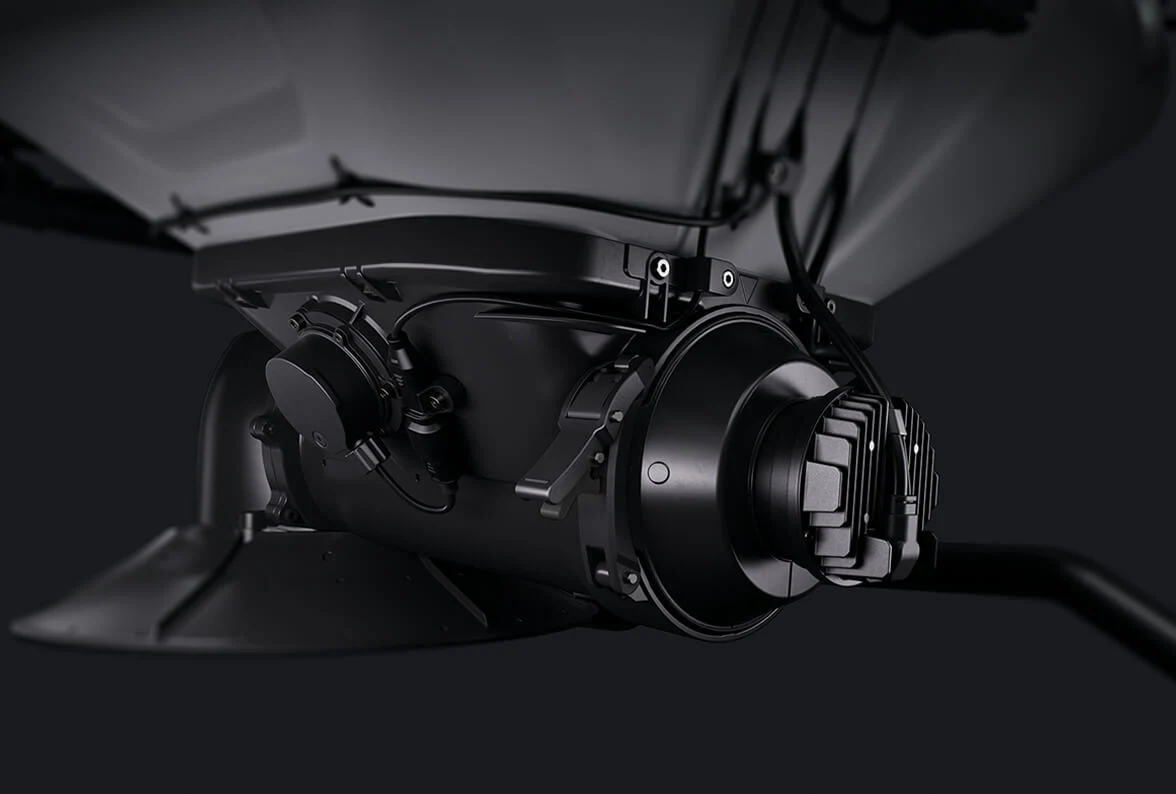
Understand the field. Maintain operational awareness.
LiDAR, vision and millimetre-wave radar provide complementary information to help the operator understand the surroundings.
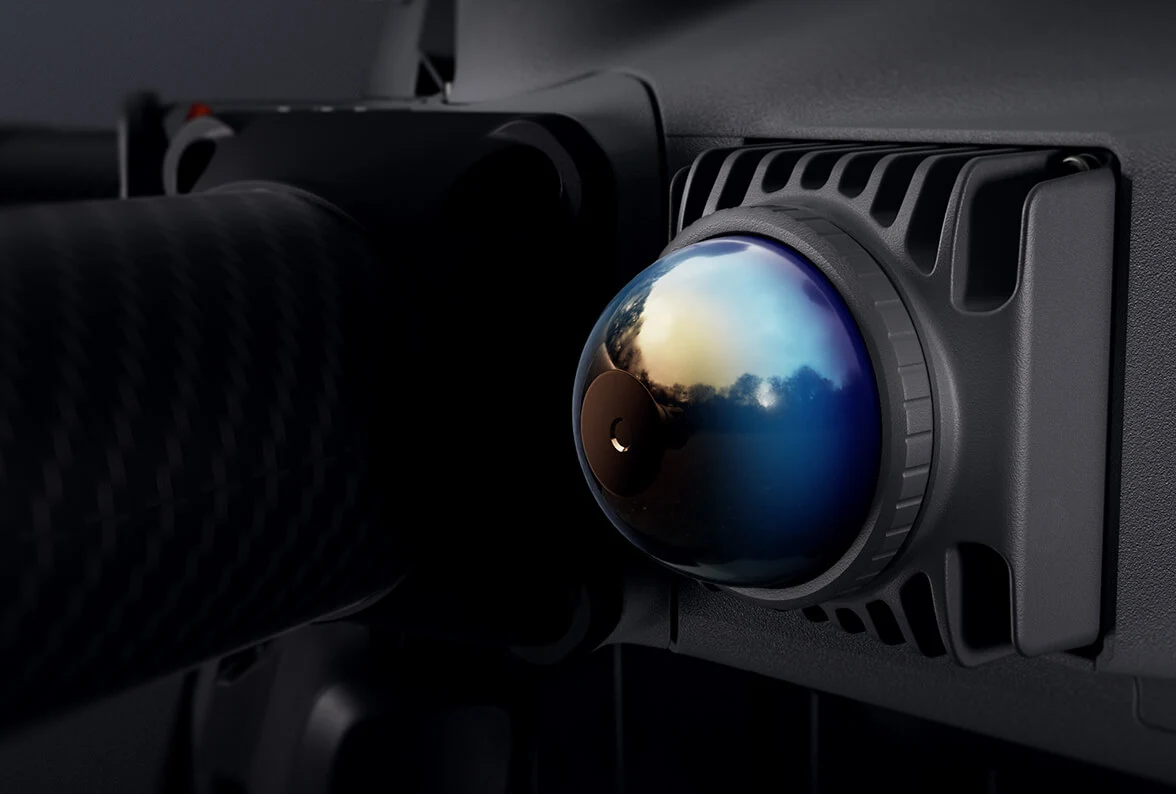
Aircraft sensors
Point-cloud information about the environment. Complementary inputs for terrain and obstacle awareness.
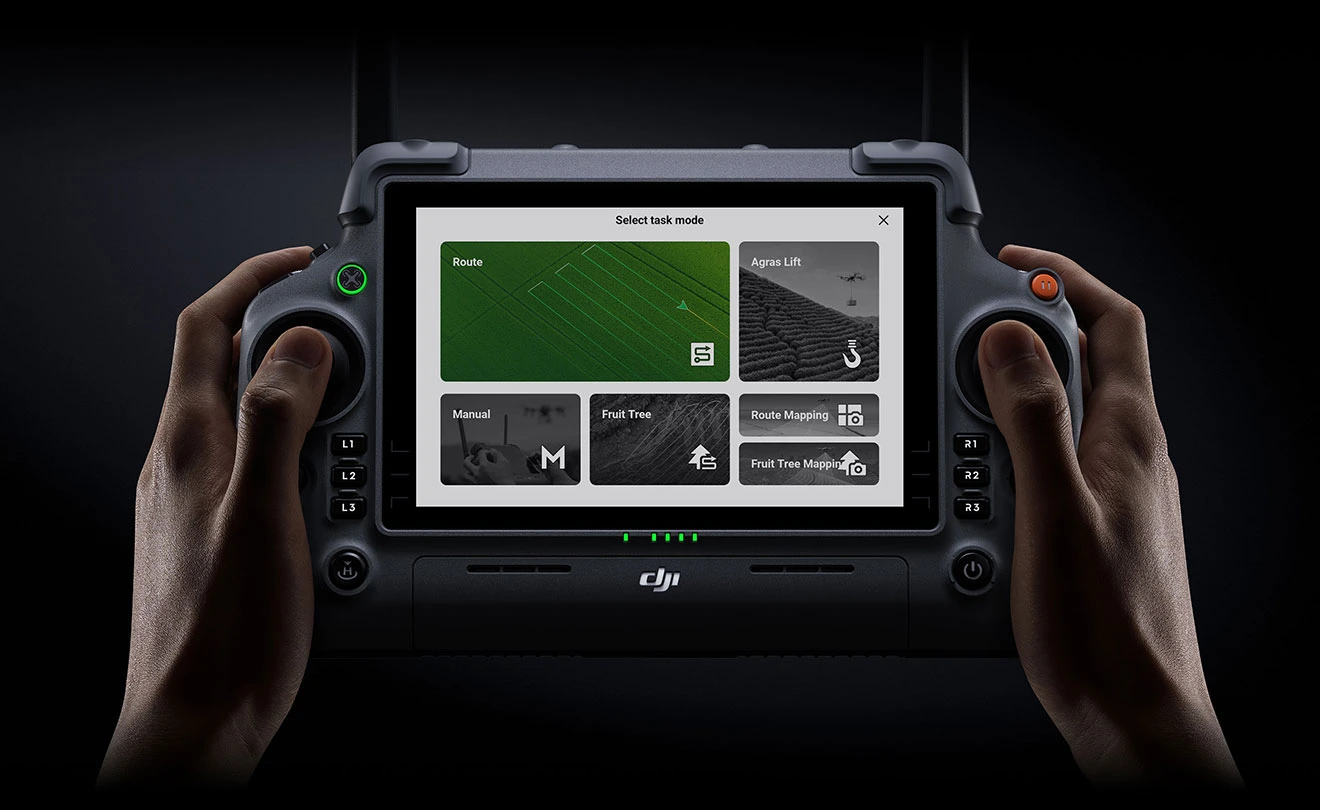
Controller view
Review the route, aircraft status and surrounding information.
- LiDAR
- Point-cloud information about the environment.
- Vision & radar
- Complementary inputs for terrain and obstacle awareness.
- Operator display
- Review the route, aircraft status and surrounding information.
Sensing depends on light, rain, fog and obstacle characteristics. The system cannot actively avoid moving objects. Inspect the site and plan the flight.
RTK supports positioning and task planning. Positioning accuracy is not a measure of spray placement, spreading uniformity or crop response.
The aircraft is one part of the operation
Plan the ground operation around the aircraft.
Bring the people, power, material and transport into the same plan. The next flight starts with preparation on the ground.
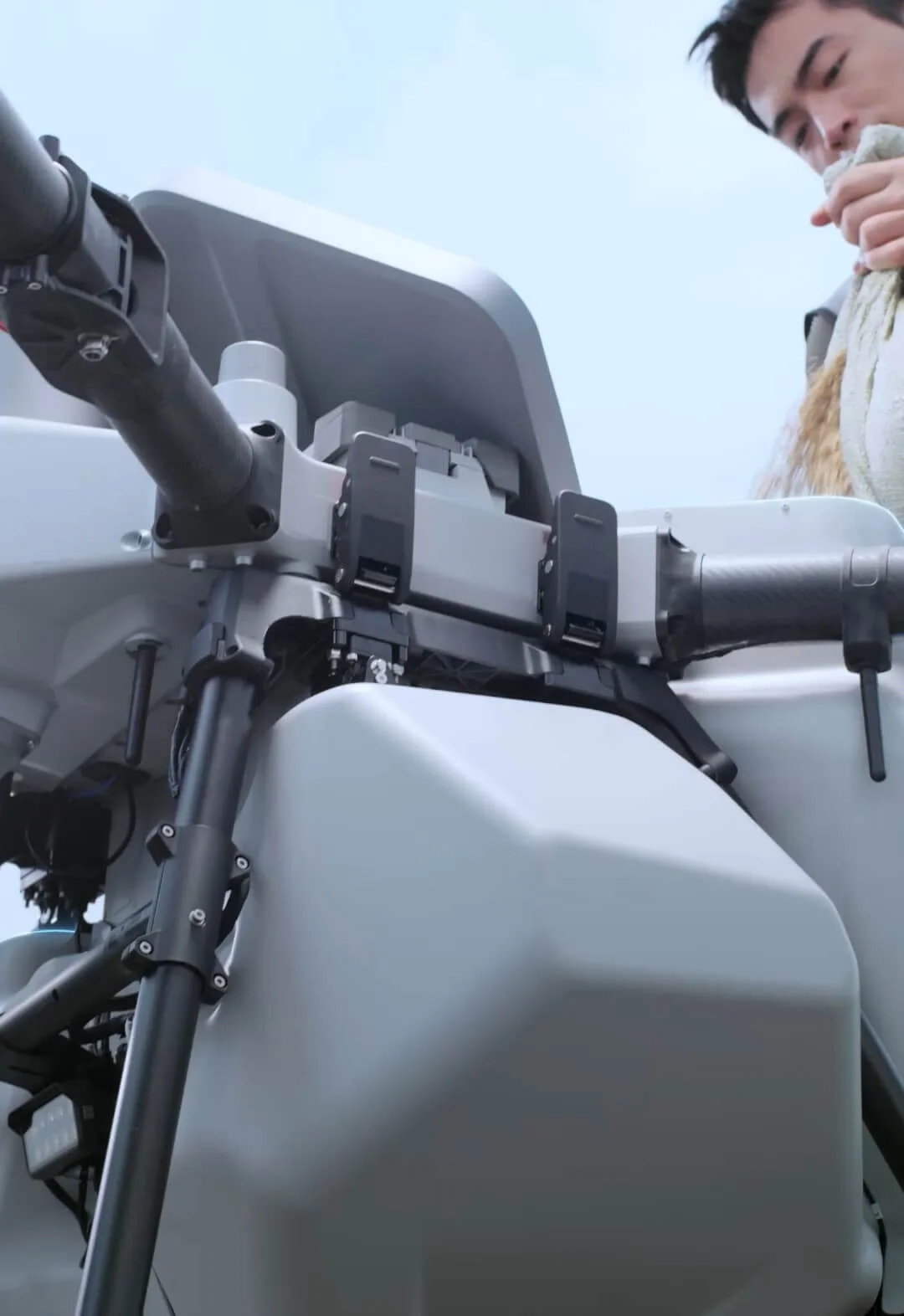
Return & land
A defined landing area, clear of people and vehicles.
Shutdown & battery handling
Confirm the shutdown, inspection and battery procedure.
Refill or reload
Organize material, transfer equipment and the loading role.
Pre-flight checks
Check the aircraft, application system and next task.
Return to work
Release the aircraft only after the required checks.
Planning checkpoints, not an operating procedure. Follow the manuals for the supplied configuration and the approved site SOP.
Prepare in parallel
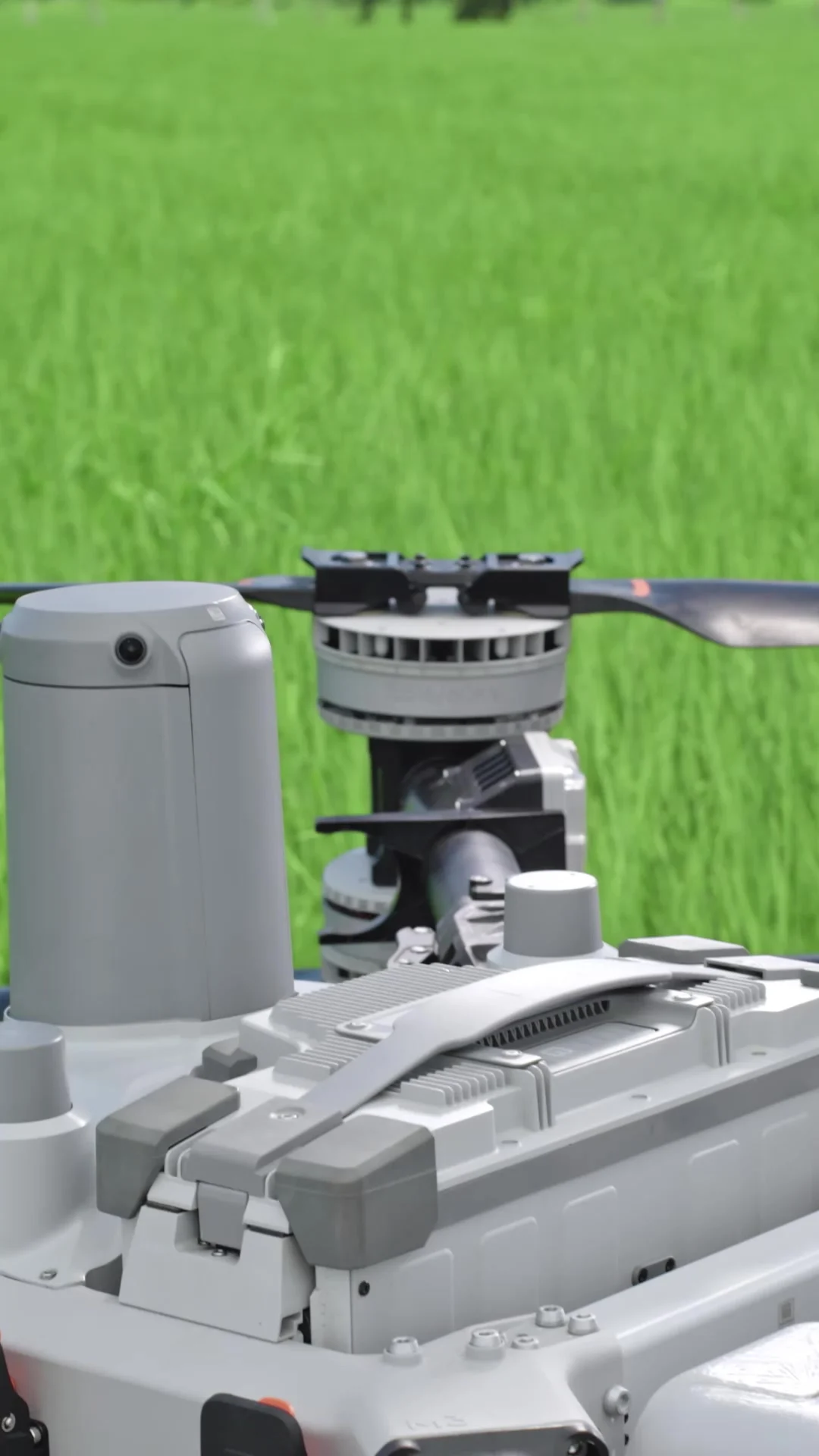
Battery & power readiness
Plan inspection, cooling and charging conditions, battery rotation and who is responsible. Battery count follows the operation.
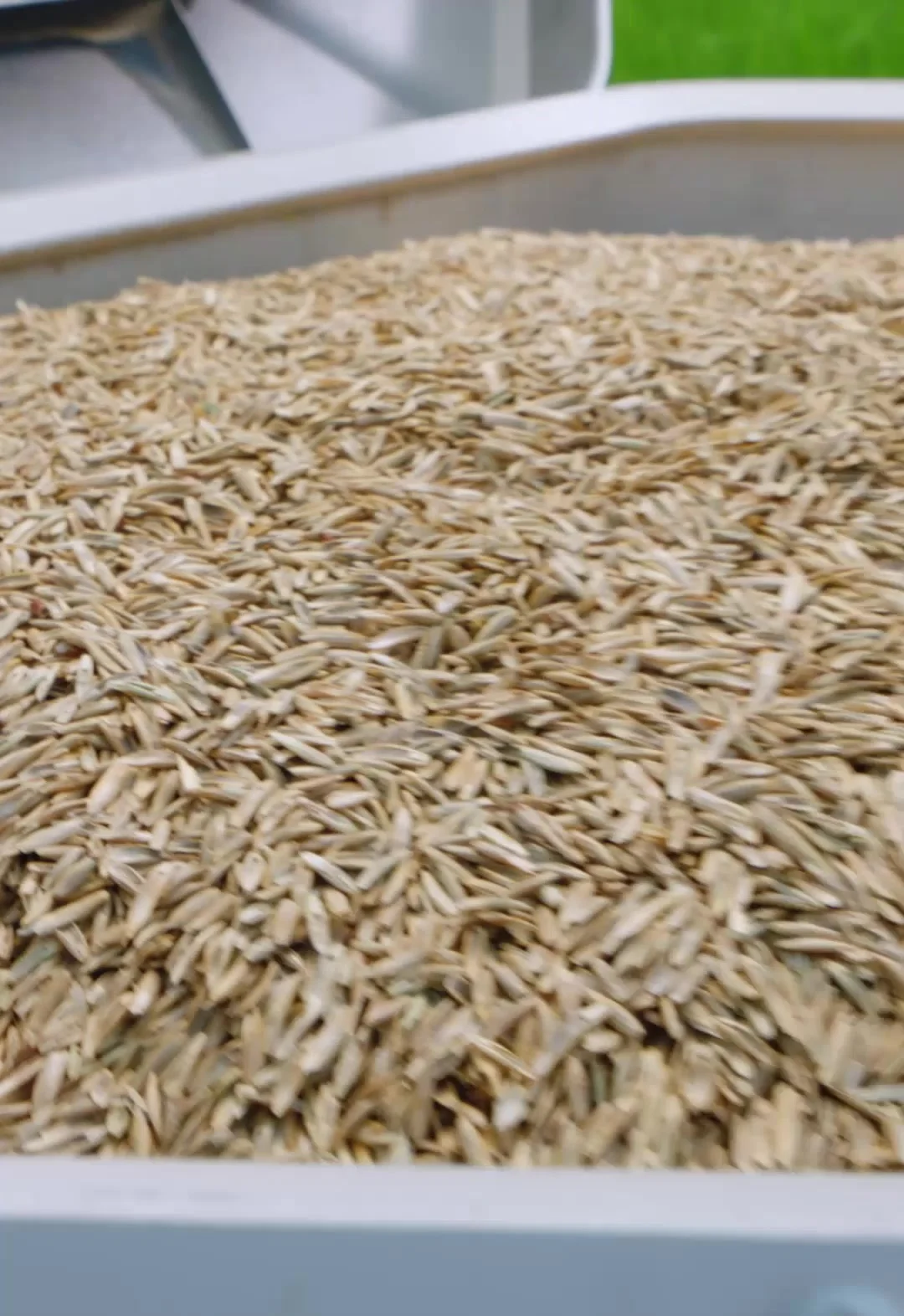
Material & refill readiness
Prepare liquid or granular material, the refill position, transfer equipment and cleanup while the aircraft is working.
Two power paths. Choose for the site.
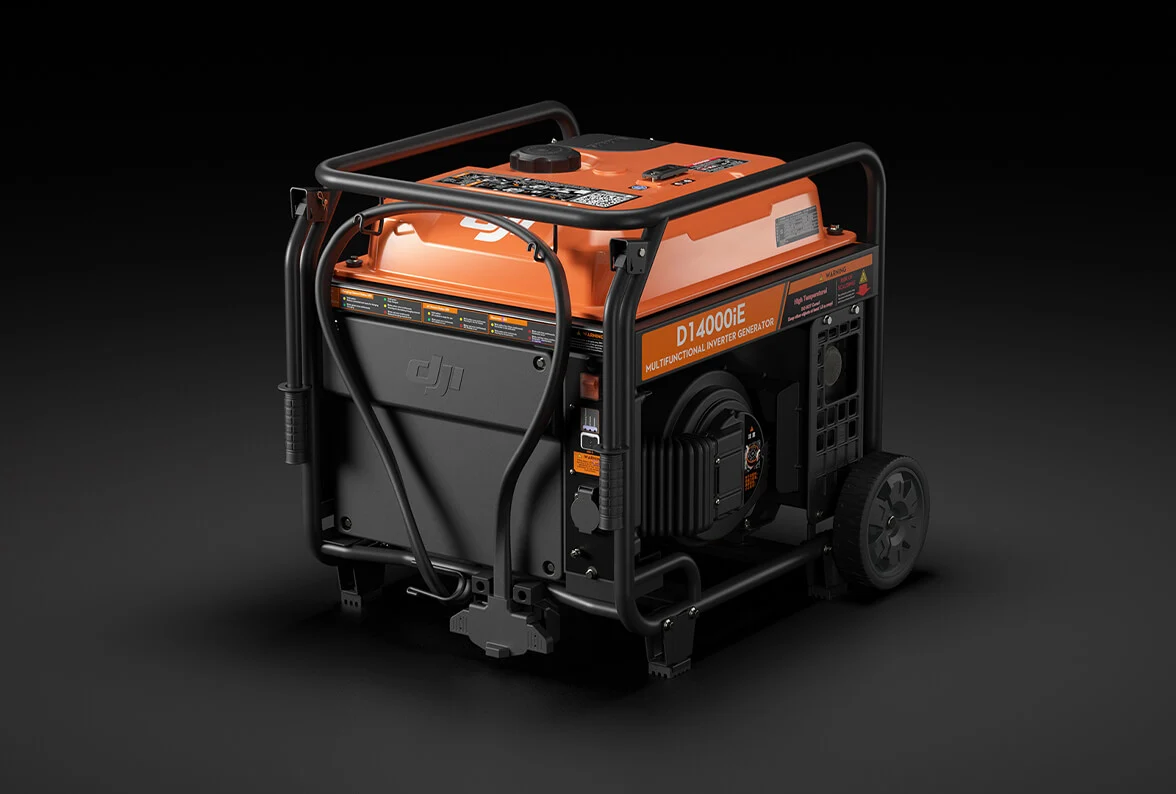
Fuel-powered charging
D14000iE
D14000iE generator charging path. It does not accept grid power.
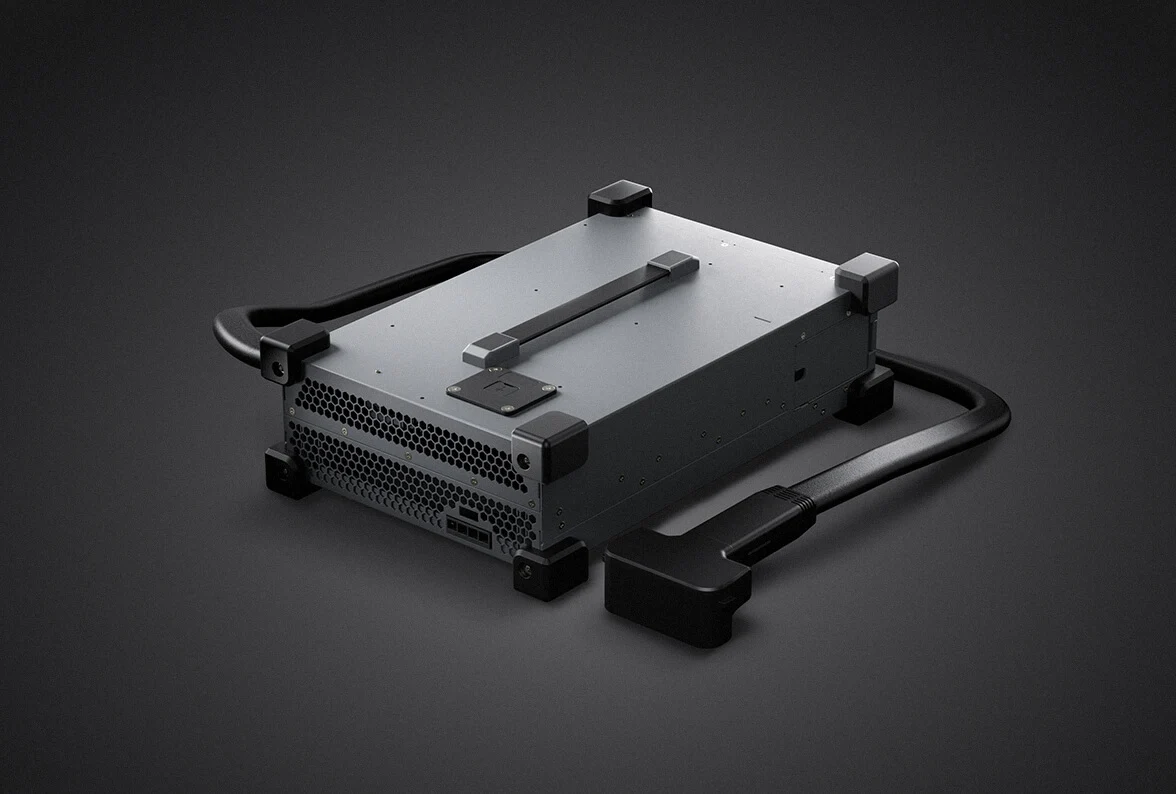
External AC power
C12000
C12000: up to 12 kW with the specified three-phase supply, or 3 kW on single-phase. Confirm the electrical supply, connections and installation requirements.
These are alternative supply paths to assess. They are not two products that must always be bought together.
YOUR T100 CONFIGURATION
Build the configuration around your work.
Start with the work, then consider the ground equipment and support. These choices guide a discussion; they are not a fixed package.
Is T100 the right fit for your operation?
Compare capacity first. Then compare the operation needed to support it.
T50 vs T100
Manufacturer reference configurations
Spray tank volume
- T50
- 40 L
- T100
- 100 L
Spreading hopper volume
- T50
- 75 L
- T100
- 150 L
Maximum spreading material load
- T50
- 50 kg
- T100
- 100 kg
Manufacturer reference systems only. These figures are not Canadian permitted operating loads and do not apply to every configuration.
- Task demand
- Is the constraint material capacity, turnaround, or the way jobs are organized?
- Field distribution
- Will you work continuously or move frequently between dispersed fields?
- Ground resources
- Can the available power, transport, handling and refill setup support the configuration?
- People & operating path
- Who handles each role, and are the requirements for this aircraft and task clear?
Confirm the Canadian operating path.
Equipment selection and permission to operate are separate checks. Review the proposed aircraft, task and location before committing to a configuration.
Aircraft, weight & airspace
Operating weight includes the aircraft and everything it carries. Above 150 kg, an SFOC-RPAS is required. From over 25 kg to 150 kg, confirm the applicable Advanced-or-beyond requirements, aircraft declarations, pilot privileges, registration and airspace permissions. A lighter load alone does not establish eligibility.
Product, label & province
For pesticides, check the registered product, intended use and current label against Health Canada’s SPN2026-02. Eligible aerial-use products may be applied by RPAS subject to its conditions. Confirm application settings, buffers, protective measures and provincial or territorial requirements.
People & field preparation
Separate pesticide mixing/loading from piloting. The pilot may load only when the label permits it, another person has premixed the product and a closed transfer system is used. Plan required PPE, calibration, battery handling and crew responsibilities together.
Optional precision-agriculture workflow
Add a precision-ag workflow when the task calls for it.
Use field data to answer a specific question. Select the aircraft and software around the outputs you need.
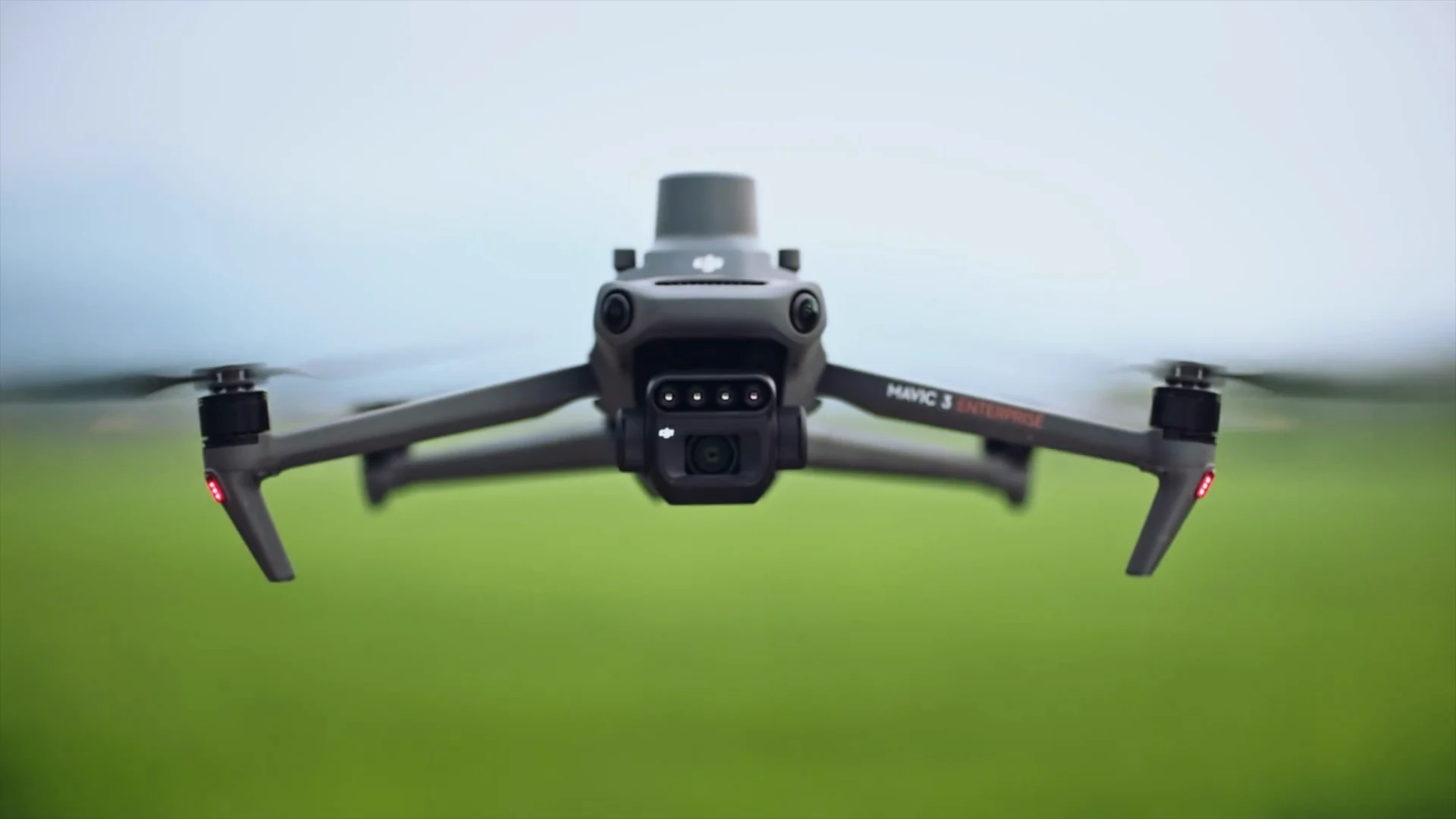
Capture
Mavic 3M RGB and multispectral imagery.
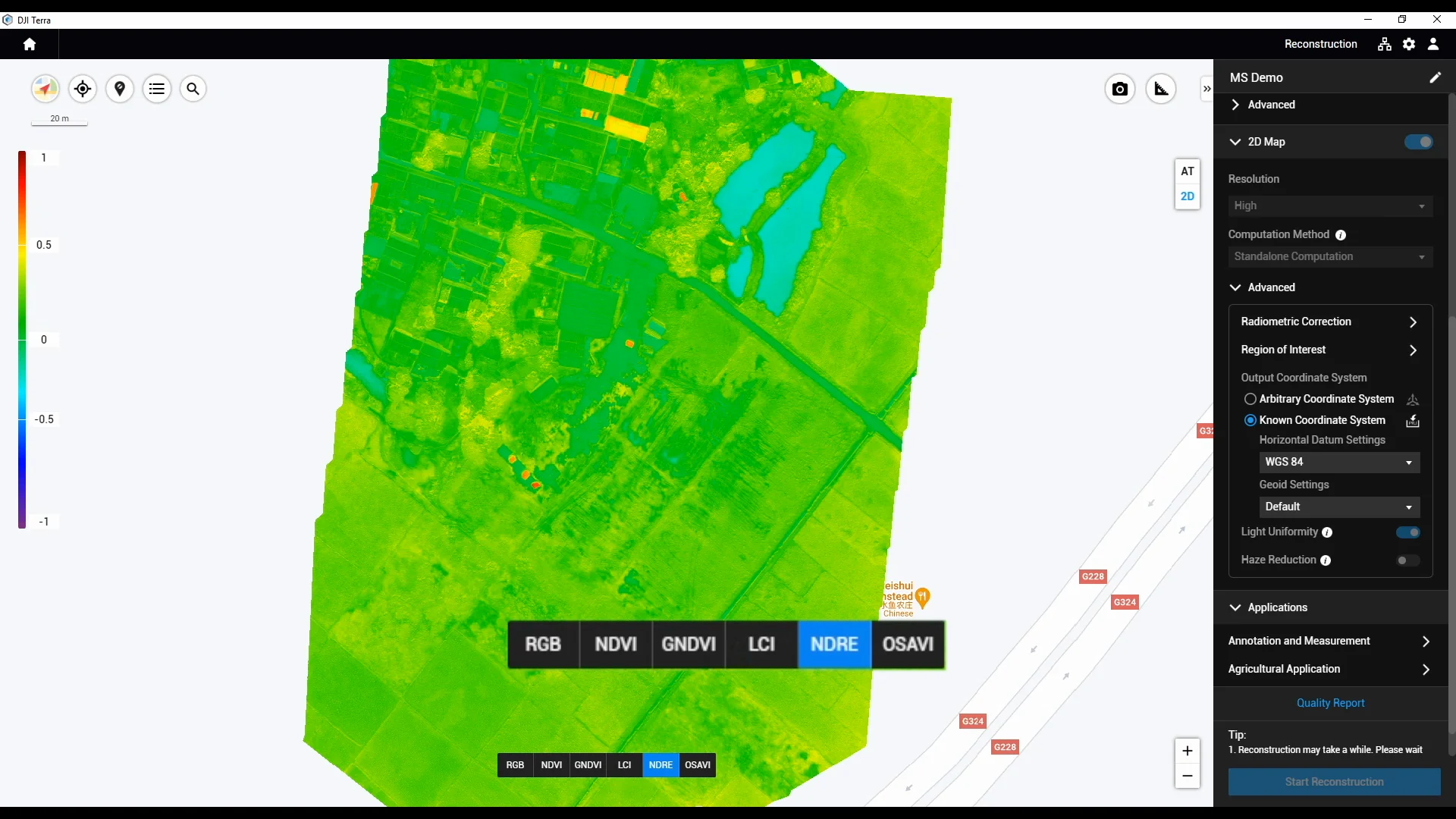
Process & analyse
SmartFarm Web reconstruction and planning, or Terra processing where appropriate.
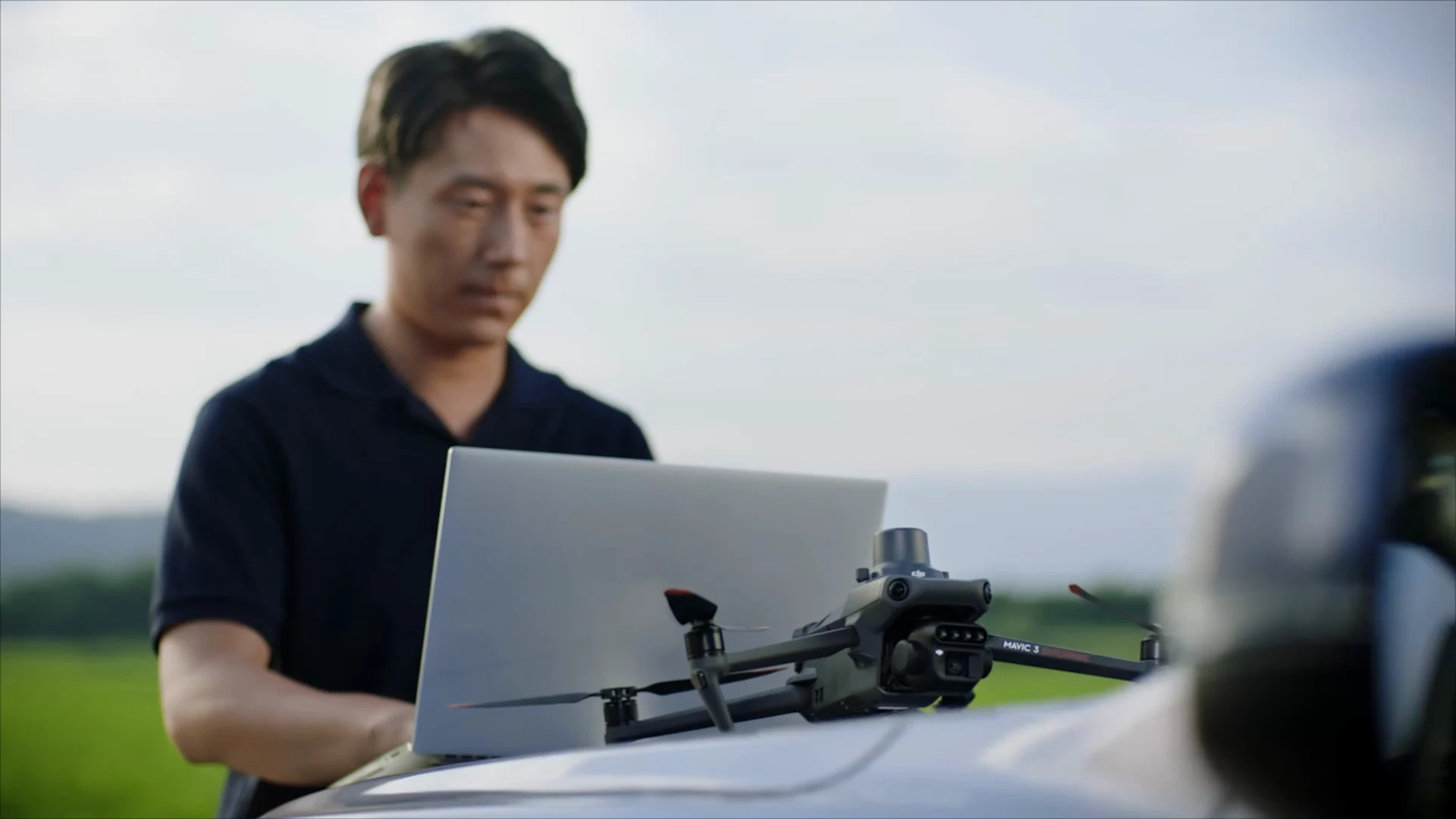
Confirm & plan
Ground-check anomalies and confirm the task with a person.
Apply
Verify the T100 configuration and the supported execution workflow.
Record & review
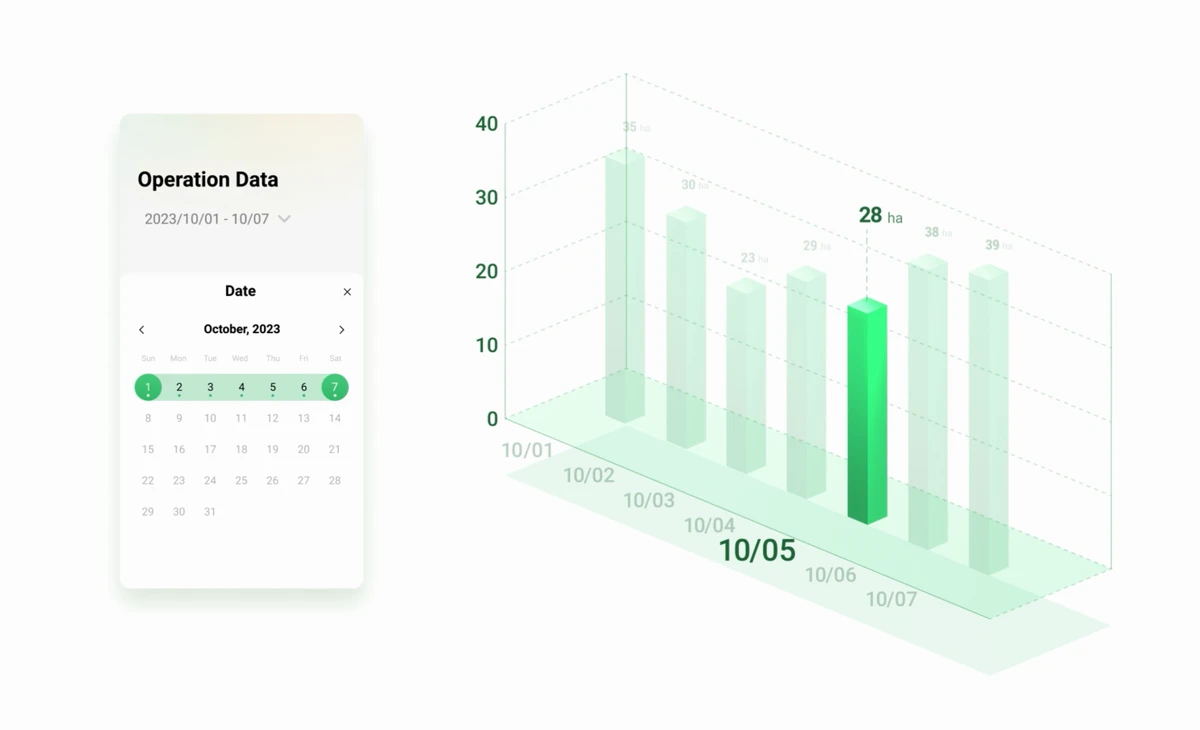
SmartFarm App equipment, work summaries and flight tracks.
Confirm each handoff: human review, file import/export, or verified software sync. These stages are not a compulsory software bundle or a promise of automatic integration.
Manufacturer information
Manufacturer information checked September 20, 2026. Confirm the exact package, material, operating conditions and local supply before ordering.
Before you choose
How do I choose between T50 and T100?
Start with the task and the constraint you need to resolve: material capacity, refill time, travel between fields or ground support. Compare transport, power, crew and operating requirements alongside tank size. Total farm acreage alone is not a selection rule.
Can T100 switch between spraying and spreading?
T100 supports separate spraying and spreading systems. Identify the required systems, compatible components and changeover procedure for your seasonal work. Material suitability and calibration still need to be checked for each application; both systems are not assumed to be included in a quote.
Can I reuse my existing batteries or accessories?
Share the exact model numbers of your aircraft, batteries, chargers and accessories. Compatibility is checked item by item, including any required adapters and supported operating conditions. Do not assume all T50 equipment transfers to T100.
What power supply will I need in the field?
That depends on the charging route. D14000iE uses its generator and does not accept grid power. C12000 uses a suitable external AC supply: up to 12 kW output with three-phase input, or 3 kW with single-phase input under the specified conditions. Confirm the supply and connection before choosing equipment.
Do I also need a Mavic 3M or mapping software?
Only if your task calls for an imaging or prescription workflow. First establish what information is needed, who will review it and how it will reach the application plan. Mapping aircraft and software are optional configuration discussions, with compatibility and data transfer verified for the intended workflow.
What must be confirmed before operating in Canada?
Review the specific aircraft configuration and operating weight, pilot qualifications, aircraft declarations, flight location and permissions. Pesticide tasks also require product, label, provincial and personnel checks. Manufacturer specifications or an equipment purchase do not authorize a particular operation.
What training and support are included in a quote?
The proposal should name the agreed equipment, handover, training participants, location and support scope. On-site work, continued operational support and maintenance are separate items to confirm. Equipment familiarization does not replace pilot certification or pesticide qualifications.
What happens after I submit my requirements?
The next steps are a needs review, a configuration discussion, then a proposed scope and quote. Share what you know about your task, province and existing setup; uncertain items can remain open. You can also ask to compare T50 before deciding.
START A CONFIGURATION DISCUSSION
Tell us about your operation.
Share your tasks, location and existing setup. We’ll use those details to discuss a suitable T100 configuration and the conditions that need to be confirmed.
- Review your requirements
- Discuss the configuration
- Prepare a proposal and quote